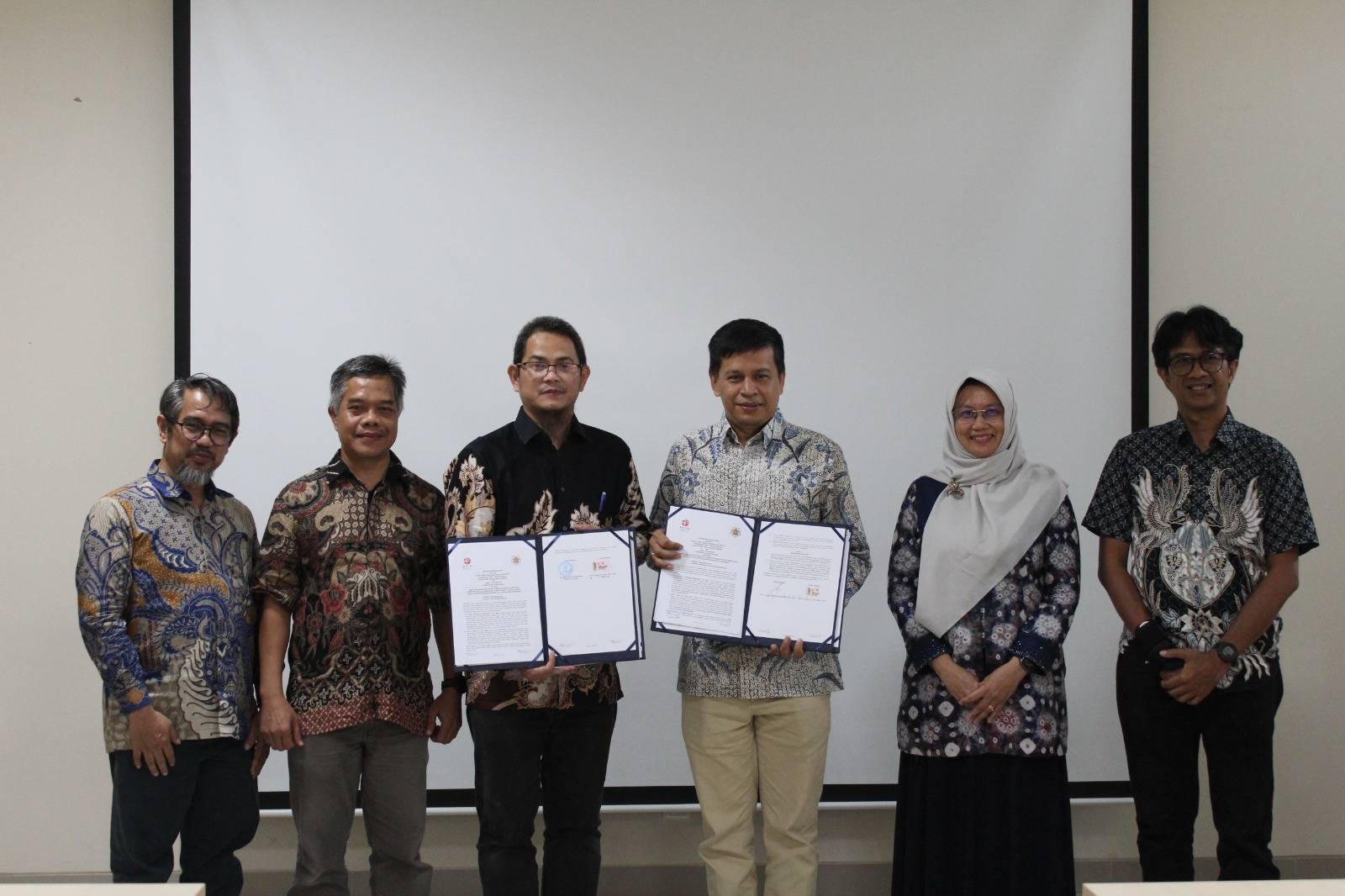
Enviro News Asia, Yogyakarta — Indonesia’s National Research and Innovation Agency (BRIN) and the Center for Energy Studies (PSE) at Universitas Gadjah Mada (UGM) have initiated a strategic research collaboration to develop a future energy ecosystem based on the Nuclear Renewable Hybrid Energy System (NRHES) in support of Indonesia’s new capital city, Nusantara (IKN).
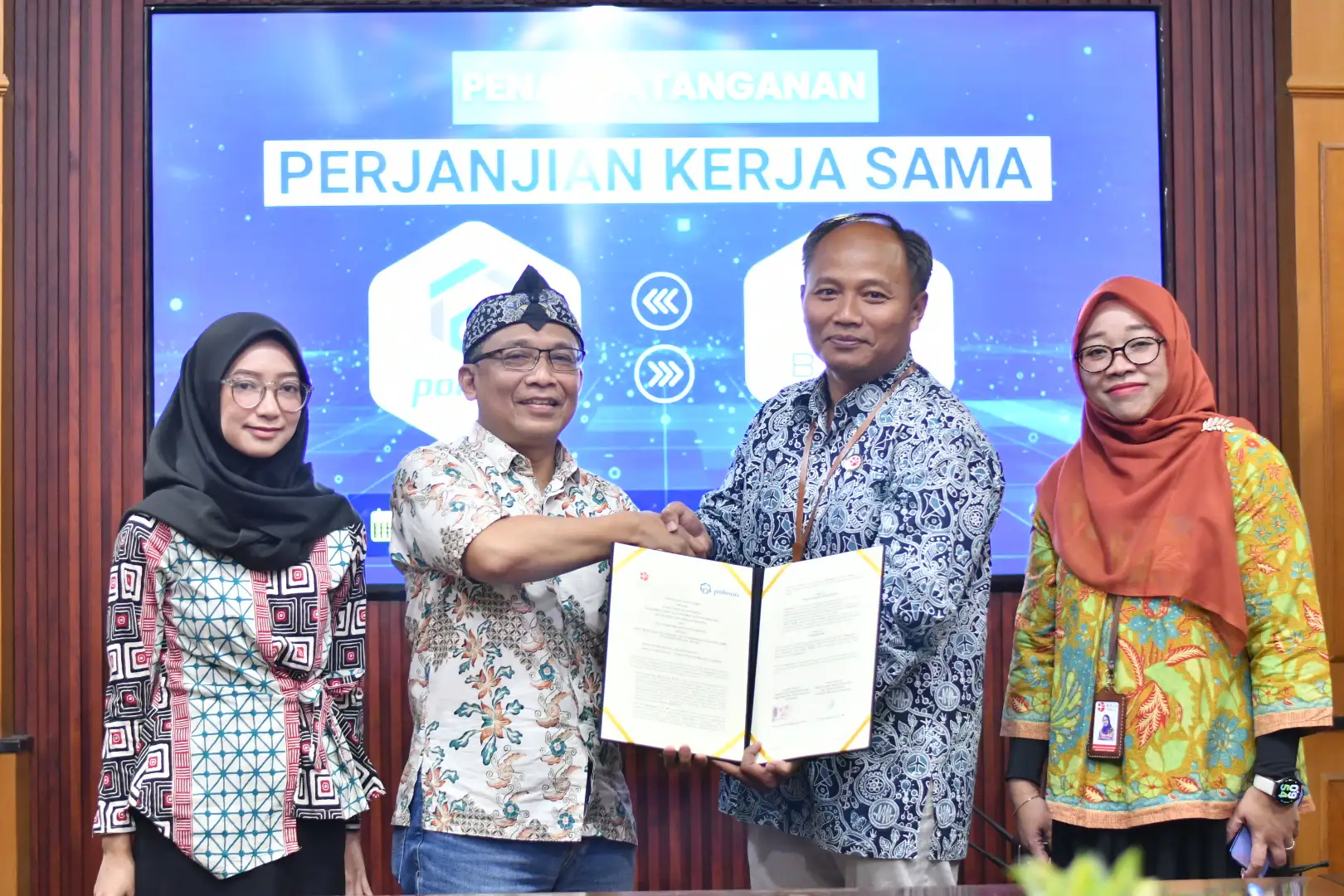
The cooperation agreement was signed on Tuesday, May 12, between BRIN’s Center for Nuclear Reactor Technology Research (PRTRN) under the Nuclear Energy Research Organization (ORTN) and PSE UGM. The collaboration focuses on research and development of electricity and hydrogen systems based on NRHES while considering carbon dioxide emissions reduction and clean water supply sustainability.
BRIN researcher Rizki Firmansyah Setya Budi explained that the development of IKN as a clean, modern, and advanced city requires reliable, environmentally friendly, and economically feasible energy systems.
“The development of IKN with a clean, modern, and advanced concept requires reliable and clean energy supply without overlooking economic feasibility,” Rizki stated.
He described NRHES as an integrated energy system combining nuclear power, renewable energy, and other energy utilization components within a unified energy management framework.
According to Rizki, the use of Small Modular Reactors (SMRs) offers several advantages, including smaller and modular designs as well as cogeneration capabilities, making SMRs a potential option for future energy development in IKN.
“SMRs have many advantages due to their smaller and modular size. In addition, their cogeneration capability makes SMRs a viable option for energy development in IKN,” he explained.
Rizki added that PSE UGM has extensive experience in energy planning and expressed hope that the collaboration would contribute to the creation of clean, reliable, and economically sustainable energy supplies through NRHES development.
“Besides creating clean, reliable, and economical energy supply systems, this collaboration is also expected to facilitate knowledge and expertise exchange between PRTRN as a nuclear technology expert institution and PSE as an energy planning expert institution,” he said.
Meanwhile, Head of PSE UGM Prof. Sarjiya highlighted that nuclear power development is not solely a technical issue but is also influenced by public acceptance, socio-political factors, and regulatory support.
“UGM, through its research groups in power systems and energy planning, is open to collaboration opportunities with BRIN researchers, including research development for master’s and doctoral programs. The research focus covers long-term energy planning, SMR nuclear power integration, operational systems, and future energy system safety,” Prof. Sarjiya stated.
The research collaboration is planned to run for three years and will be conducted at PRTRN BRIN facilities in the B.J. Habibie Science and Technology Area in South Tangerang, PSE UGM in Yogyakarta, as well as Balikpapan and the Nusantara Capital City area in East Kalimantan.
Through this collaboration, BRIN and UGM aim to strengthen Indonesia’s national capacity in integrated energy system planning while supporting the country’s energy transition targets and the development of clean energy infrastructure. (*)