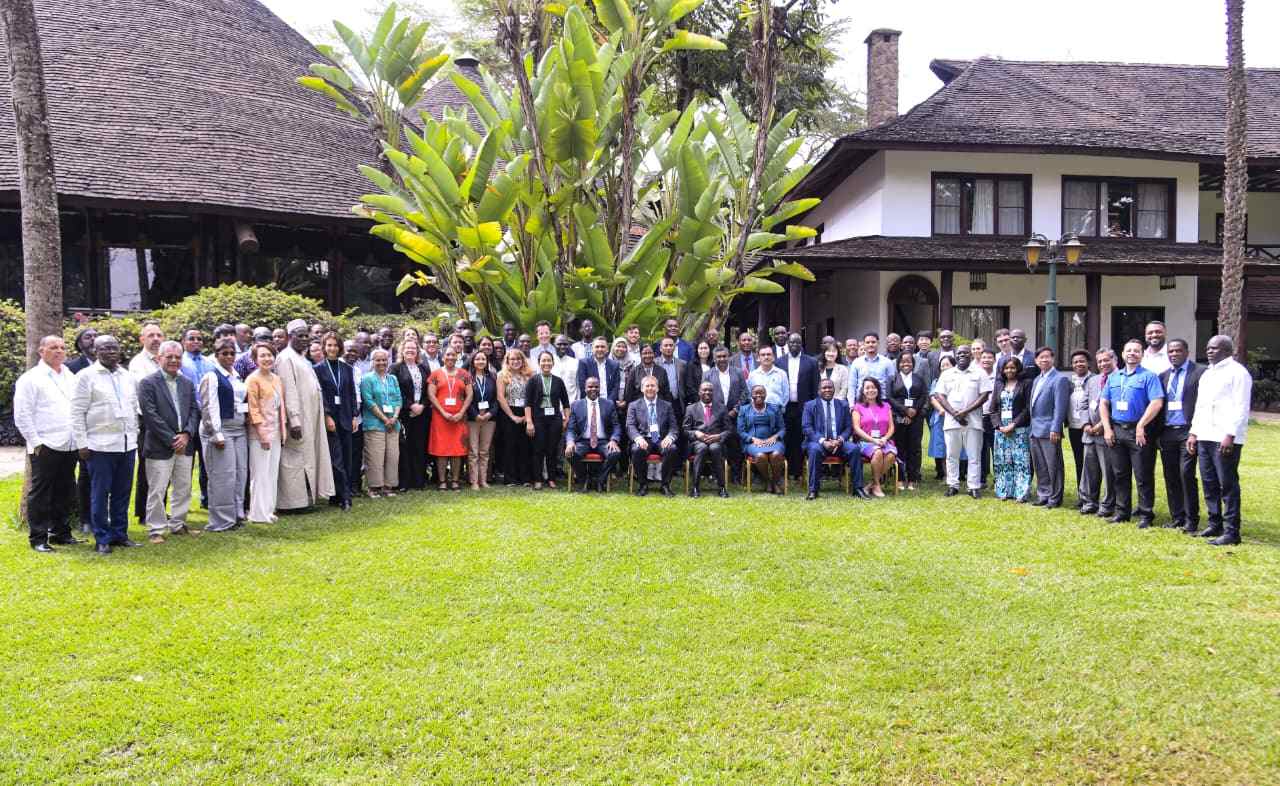
Enviro News Asia, Semarang — The Chemical Engineering Student Association (HMPTK) of the Faculty of Engineering at Universitas Negeri Semarang organized the Mangrove Replant #13 program on May 23, 2026, in the coastal area of Tambakrejo, Semarang City, as part of efforts to support sustainable coastal ecosystem restoration.
The annual environmental initiative carried the theme “GROW: Green Restoration for Ocean and Wildlife”, reflecting a shared commitment to restoring coastal ecosystems and strengthening environmental awareness among students and local communities.
Mangrove Replant has become one of the flagship annual programs of HMPTK FT UNNES, with this year marking its 13th implementation.
The activity began with the inauguration ceremony held in front of the Dean’s Office of the Faculty of Engineering at Universitas Negeri Semarang before participants departed for the mangrove planting site in Tambakrejo.
The mangrove planting session was conducted directly in the coastal area, followed by an evaluation session and post-test designed to strengthen environmental education for all participants.
The program aligns with the Faculty of Engineering’s commitment to supporting the United Nations Sustainable Development Goals (SDGs), particularly SDG 13 on Climate Action and SDG 15 on Life on Land.
Mangrove planting is considered an important ecological intervention because mangrove ecosystems contribute to climate change mitigation through blue carbon absorption, while also protecting coastal areas from abrasion and restoring habitats for coastal biodiversity.
HMPTK advisor Hanif Ardhiansyah stated that the activity was aimed not only at increasing mangrove vegetation coverage in Tambakrejo, but also at building environmental awareness among students and surrounding communities.
According to the organizers, Mangrove Replant #13 reflects the concrete contribution of the academic community of HMPTK FT UNNES toward environmental conservation and sustainable development.
HMPTK also reaffirmed its commitment to continuing similar programs as part of the social and environmental responsibility of Chemical Engineering students at Universitas Negeri Semarang.
Through the initiative, the organization hopes the mangrove restoration program will create long-term positive impacts on coastal ecosystems and improve the quality of life for communities living around the planting area. (*)