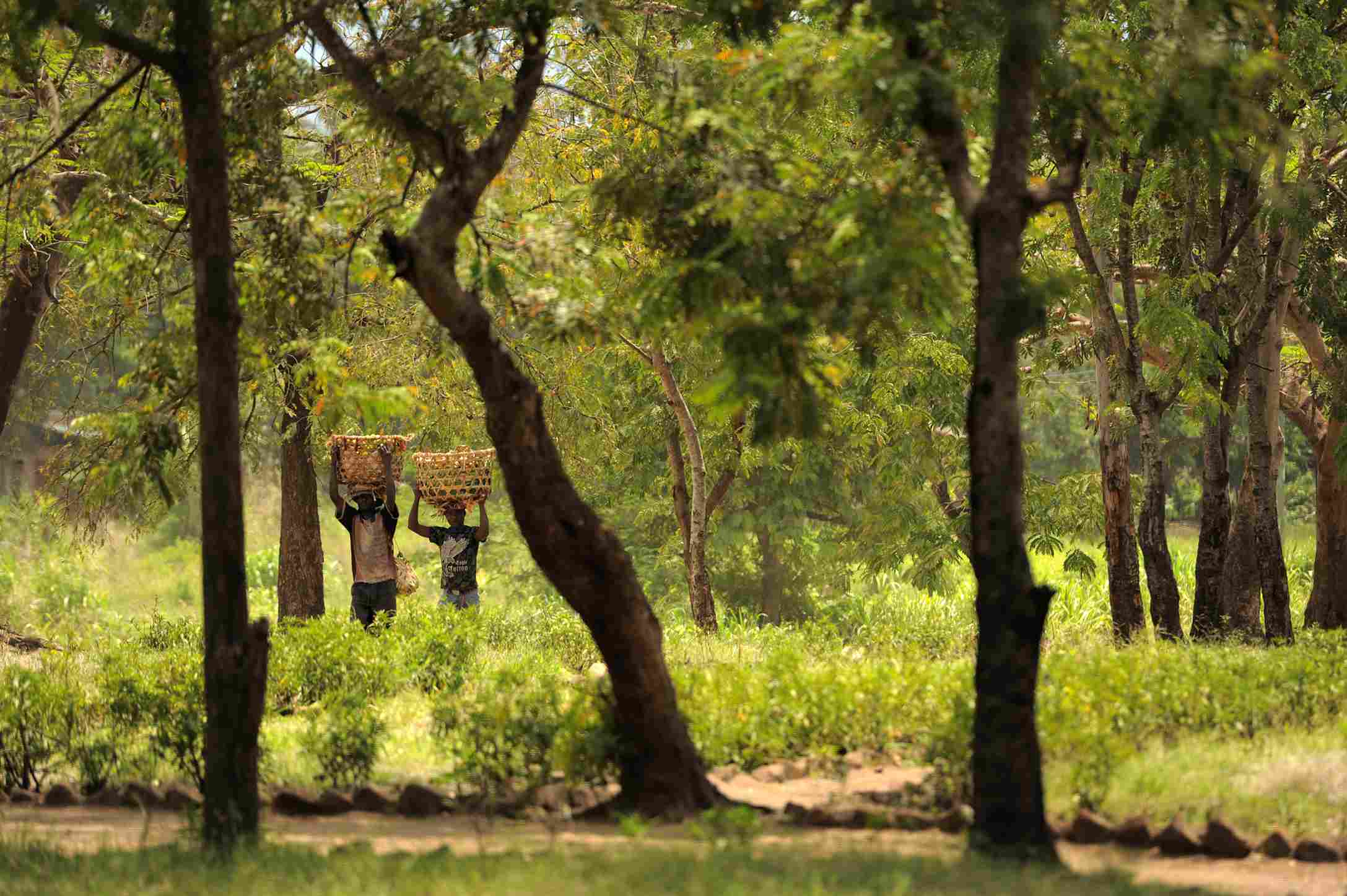
Enviro News Asia, Rome — The Food and Agriculture Organization of the United Nations (FAO) has highlighted the untapped potential of wild and neglected foods in improving global nutrition, protecting biodiversity, and strengthening resilient food systems through a new publication launched on the International Day for Biological Diversity.
The report, titled Capturing Wild Foods and Neglected and Underutilized Species in Dietary Assessments at Scale, warns that global diets are becoming increasingly uniform, with more than half of the world’s daily calorie intake now derived from only four major crops: rice, maize, wheat, and potatoes.
FAO stated that the growing dependence on a limited number of staple crops reduces biological diversity and weakens the foundation for healthy and sustainable diets worldwide.
According to the publication, around 10,000 wild species are used as food globally, many of them originating from forest ecosystems. Several of these species contain higher nutritional value than commonly cultivated foods and also provide medicinal benefits that have long been recognized by Indigenous Peoples and local communities.
FAO explained that wild edible plants and animals continue to support diets in both developed and developing countries. However, these foods are often absent from official food surveys and national statistics, causing their nutritional, ecological, and cultural contributions to remain overlooked.
FAO Assistant Director-General and Director of the Forestry Division, Zhimin Wu, said countries are missing important opportunities when wild foods remain invisible in national data systems.
“When wild foods are invisible in national data, countries miss opportunities to promote healthier diets, protect biodiversity and support food systems that are more resilient to climate and other shocks,” Wu said.
The report presents examples of underutilized foods from various regions. In Nepal, stinging nettle is widely consumed and valued for its iron, calcium, and vitamin content. In Uganda, edible bush crickets are considered a nutritious seasonal delicacy comparable to conventional meat products. Ethiopia uses wild okra to support the nutrition of pregnant and breastfeeding women, while rural communities in the Philippines rely on wild yam during periods of food scarcity.
Brazil has also promoted native foods such as açaí, buriti, camu-camu, and Brazil nuts through a recipe bank initiative aimed at improving food security and nutrition.
The publication was developed through collaboration between FAO, Ghent University, and the Philippines Department of Science and Technology–Food and Nutrition Research Institute. It introduces a seven-step framework designed to help countries improve large-scale data collection on wild and neglected food species without requiring costly new systems.
FAO recommends integrating simple additions into existing food surveys, including questions related to popular wild foods and harvesting methods. The organization also encourages stronger collaboration with Indigenous Peoples and local communities to preserve traditional knowledge associated with biodiversity and food systems.
The report includes case studies from Cameroon, Papua New Guinea, Paraguay, the Philippines, Thailand, and Viet Nam, alongside sample templates intended to support national-level data collection efforts.
FAO emphasized that improving visibility of hidden food resources could help governments develop more sustainable food policies, strengthen biodiversity conservation, and encourage resilient dietary systems capable of responding to climate and environmental challenges. (*)