Enviro News Asia, Samarinda — Communities in East Kalimantan are strengthening local initiatives to support a just energy transition as the region seeks to reduce its long-term dependence on the coal mining sector.
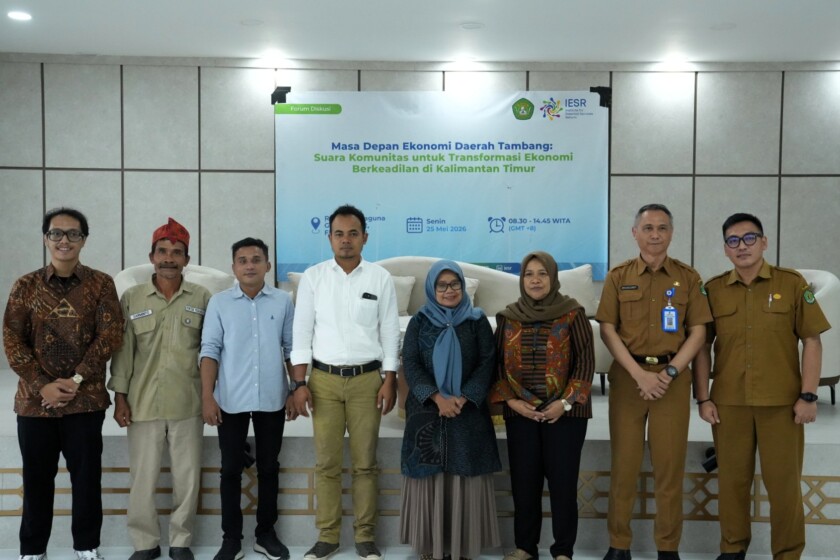
The issue was highlighted during the seminar “The Future of Mining Regional Economies: Community Voices for a Just Economic Transformation in East Kalimantan” held in Samarinda on May 25, 2026. The event was organized through a collaboration between Institute for Essential Services Reform and the Faculty of Social and Political Sciences at Mulawarman University.
According to regional economic data for 2025, coal mining contributes more than 25 percent of East Kalimantan’s Gross Regional Domestic Product (GRDP), underlining the province’s heavy economic reliance on extractive industries.
Fadhil Ahmad Qamar, Project Manager of the Clean, Affordable, and Secure Energy (CASE) program for Southeast Asia at Institute for Essential Services Reform, said the transformation of mining-dependent economies must begin immediately to anticipate shifts in global energy markets and accelerating energy transition policies.
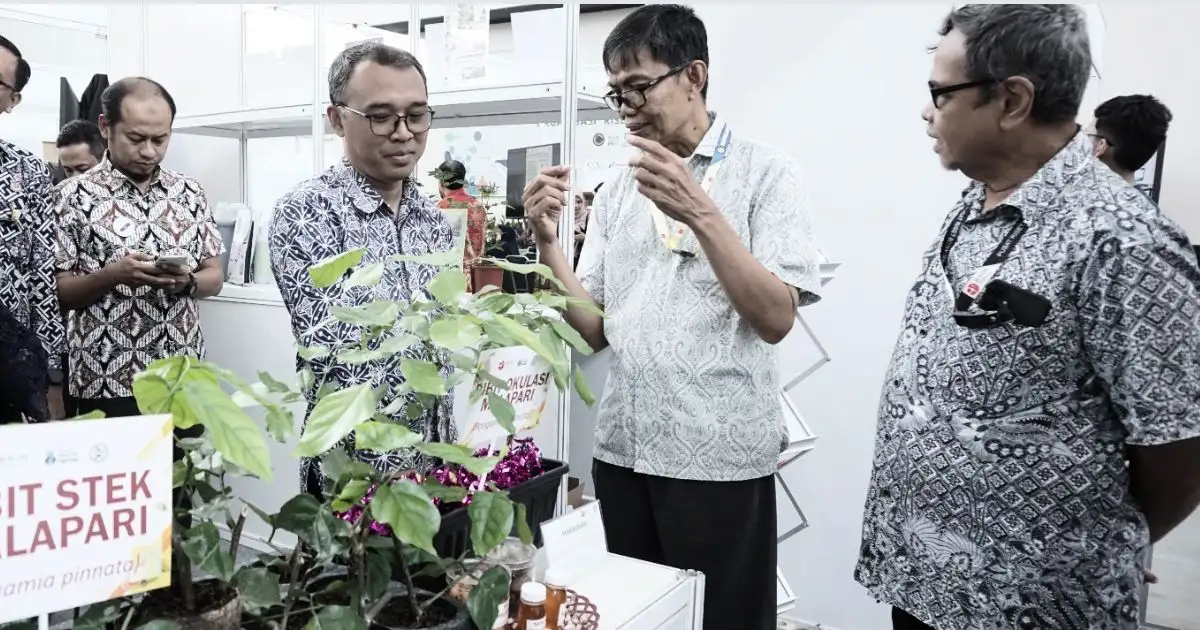
He explained that East Kalimantan has significant potential to diversify its economy through renewable energy, sustainable agriculture, ecotourism, creative industries, local commodity processing, environmental services, and the strengthening of micro, small, and medium enterprises (MSMEs).
However, he stressed that these sectors require stronger policy support, financing access, infrastructure development, skills training, and long-term business assistance.
The discussion also emphasized the role of mining companies in supporting a fair transition through community empowerment programs focused on long-term economic independence rather than short-term social activities.
Five community groups from East Kalimantan participated in the forum to share local experiences in building post-mining economic resilience. Four of the participating communities came from villages directly affected by coal mining activities and have maintained or shifted toward agriculture as a sustainable livelihood sector.
Sarminto from the Tegal Rejo Farmers Group explained that former mining land in his area suffered from highly acidic soil conditions and the loss of topsoil, making cultivation difficult.
To restore soil fertility, the community developed an integrated cattle farming and organic fertilizer processing system, using livestock waste to improve agricultural productivity while reducing dependence on expensive chemical fertilizers.
Meanwhile, young farmer leader Firmansyah highlighted the importance of technical training, modern irrigation systems, and electric water pumps to support the sustainability of agricultural livelihoods among younger generations.
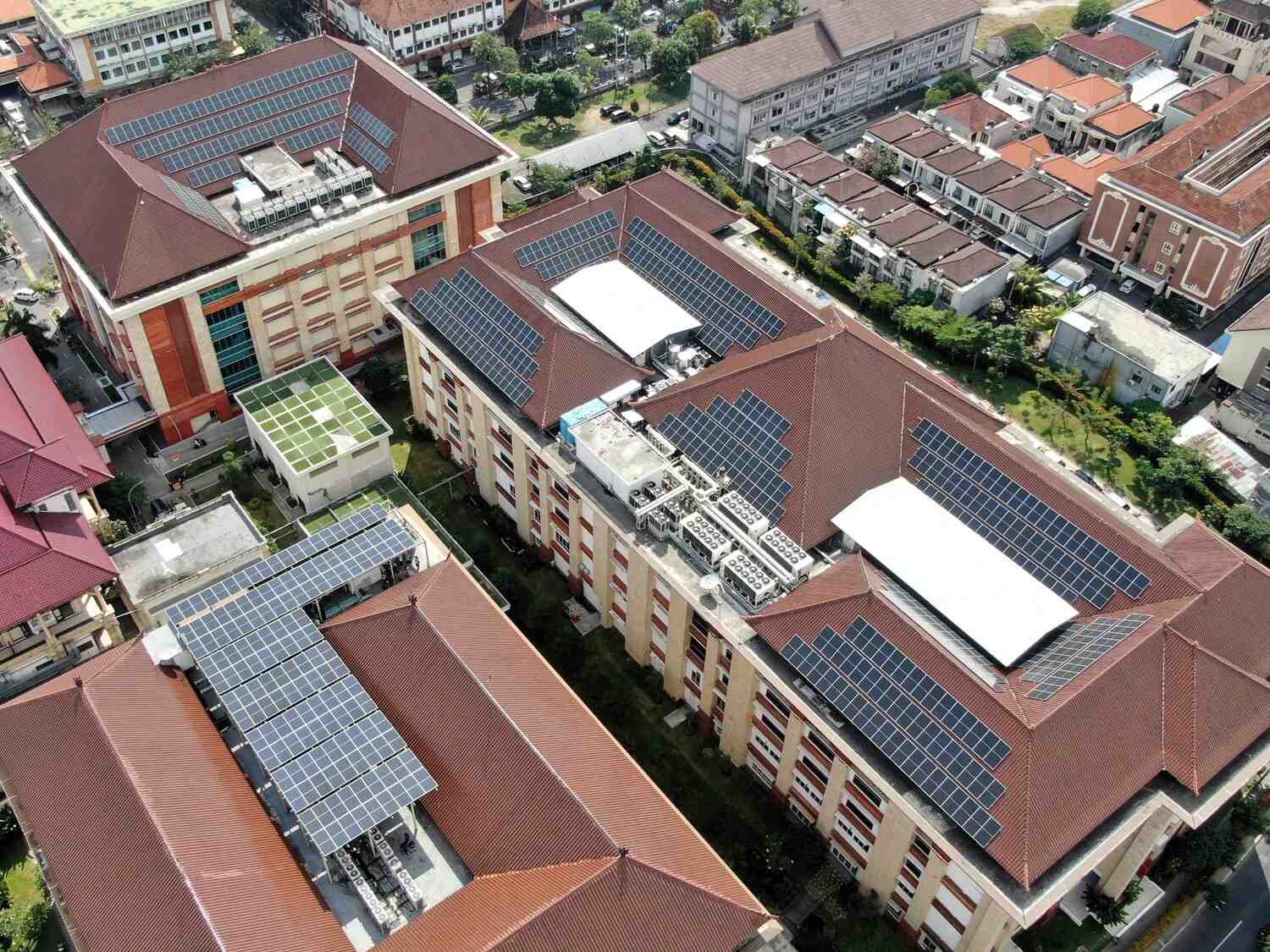
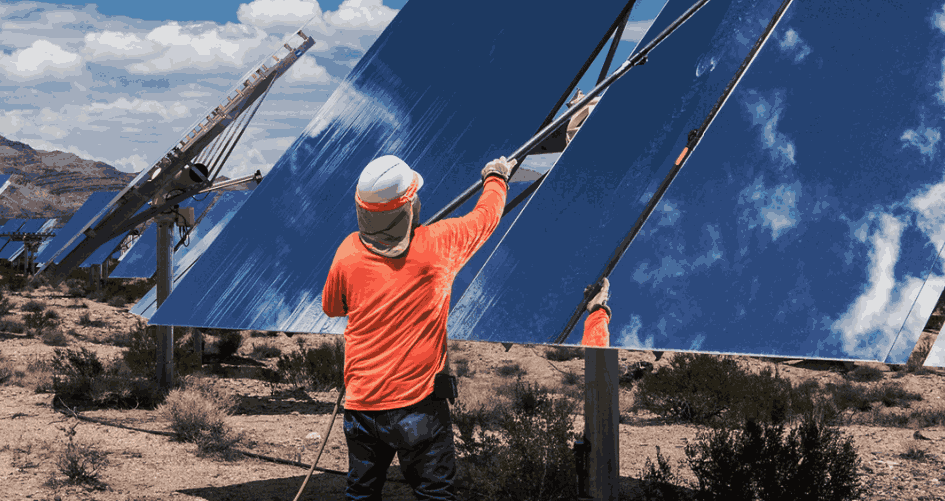
The seminar also showcased the experience of Muara Enggelam village, where residents have managed a communal solar power plant (PLTS) for more than a decade.
Village Head Madi said the project required years of community organizing, discipline, and collective management before it successfully replaced diesel-powered electricity generation in the village.
The communal solar power system has been operated by the village-owned enterprise (BUMDes) since 2015 after local residents first submitted proposals to the Ministry of Energy and Mineral Resources in 2011.
Participants concluded that a just energy transition in mining regions must not only focus on replacing fossil fuels, but also ensure that local communities gain access to sustainable livelihoods, clean energy, and inclusive economic opportunities. (*)