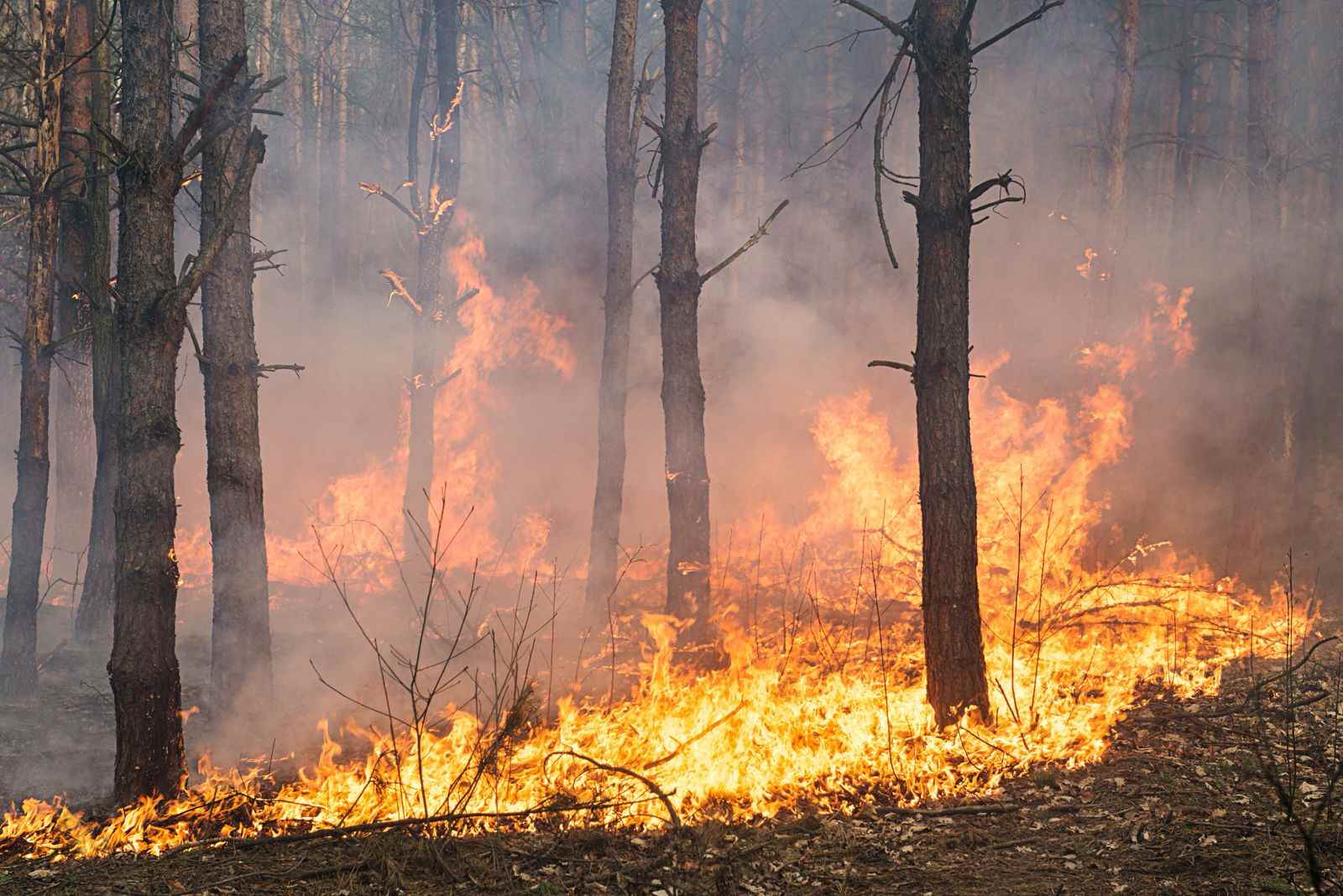
Enviro News Asia, Jakarta — Wildfires across Asia reached unprecedented levels during the first four months of 2026, with approximately 44 million hectares of land burned between January and April, according to the latest monitoring data. The figure is around 40 percent higher than the previous record set in 2014, raising concerns among climate scientists and environmental experts.
The countries most severely affected by the fires include India, Myanmar, Thailand, Laos, and China. The widespread blazes have destroyed vast forest and land areas, increased greenhouse gas emissions, damaged wildlife habitats, and contributed to worsening air quality across several parts of the region.
Scientists warned that the scale of the fires could have significant environmental and public health consequences. In several affected areas, smoke and haze generated by large-scale wildfires have increased the risk of respiratory illnesses and other health problems among local communities.
Theodore Keeping, a wildfire expert from Imperial College London and a member of the World Weather Attribution (WWA) scientific network, described the trend as alarming. He noted that the world is still in the early stages of the wildfire season, yet the area burned has already surpassed previous records.
According to Keeping, the surge in wildfire activity is closely linked to climate change, which has contributed to higher temperatures and drier vegetation, making ecosystems more vulnerable to fire. He also pointed to the growing influence of El Niño conditions, which may further intensify drought and reduce rainfall across parts of Asia.
The combination of climate change and El Niño could lead to more severe heatwaves and prolonged dry conditions during the second half of 2026, increasing the likelihood of additional wildfire outbreaks, he said.
Researchers from World Weather Attribution cautioned that wildfire risks may continue to rise in the coming months if dry weather persists. They urged governments across Asia to strengthen early warning systems, improve sustainable forest management practices, and accelerate climate mitigation efforts to reduce the risk of future disasters.
Experts emphasized that without stronger action to address climate-related risks, extreme wildfire events could become more frequent and more destructive across the region in the years ahead. (*)