Enviro News Asia, Rome – More than 80 leading scientists, researchers, and practitioners from around the world are gathering in Rome this week to assess the growing impacts of climate change on agriculture and food systems and identify pathways to strengthen adaptation and mitigation efforts across the sector.
The Expert Meeting, jointly organized by the Food and Agriculture Organization of the United Nations (FAO) and the Intergovernmental Panel on Climate Change (IPCC), is taking place at FAO headquarters from 2 to 5 June 2026. Participants are examining the latest scientific evidence on climate risks, resilience strategies, and policy solutions affecting food production systems worldwide.
The discussions cover a broad range of topics, including crop production, livestock and fisheries, land and water management, climate-resilient value chains, and agricultural policy. Experts are also evaluating emerging and future climate-related risks affecting food and agricultural commodity chains.
According to the organizers, the meeting is expected to generate new scientific findings and resources that will support agriculture- and food-system-related assessments under the IPCC’s Seventh Assessment Report (AR7), which is currently under development.
“The Expert Meeting will bring together leading scientists, researchers, and practitioners with expertise across food systems domains,” FAO and the IPCC said in a joint statement announcing the event.
The four-day gathering is also exploring how agrifood systems can deliver both adaptation and mitigation benefits while supporting sustainable development goals. Participants are reviewing social, economic, and policy pathways that can accelerate the implementation of effective climate practices across different regions.
Organizers noted that the outcomes of the meeting are expected to contribute to several chapters of AR7, including those focused on agriculture, rural livelihoods, biodiversity, natural resource management, climate finance, losses and damages, adaptation effectiveness, and adaptation-mitigation synergies.
The meeting forms part of the IPCC’s seventh assessment cycle, which began in 2023 and will culminate with the release of the AR7 Synthesis Report by late 2029. The assessment is expected to provide governments and policymakers with updated scientific guidance for addressing climate change and its implications for societies, economies, and ecosystems.
“The Co-Sponsored Expert Meeting is expected to contribute new information, findings, and resources relevant to agriculture- and food systems-related topics for the IPCC’s Seventh Assessment Report,” the organizers stated.
Established in 1988 by the United Nations Environment Programme (UNEP) and the World Meteorological Organization (WMO), the IPCC serves as the United Nations’ scientific body for assessing climate change. Its assessments are widely used by governments and international institutions to inform climate policy and global negotiations.
Experts attending the Rome meeting are expected to identify key knowledge gaps and emerging trends affecting food security and agricultural resilience, as climate impacts continue to intensify across many regions of the world.
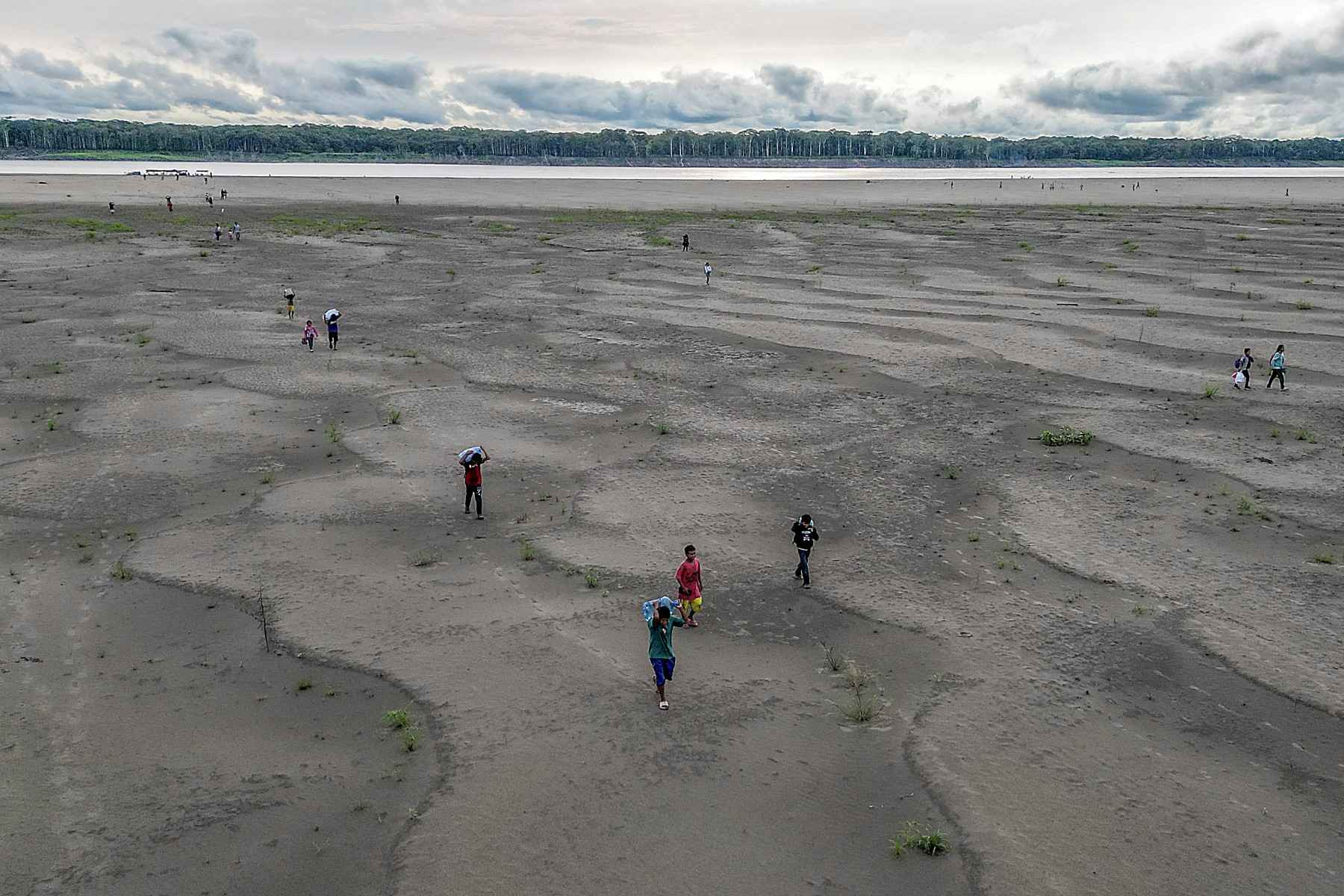
The discussions come amid growing concerns that rising temperatures, changing precipitation patterns, extreme weather events, and ecosystem degradation could increasingly disrupt food production and rural livelihoods unless effective adaptation measures are implemented. (*)