Enviro News Asia, Jakarta — Indonesia’s Ministry of Environment and Environmental Control Agency (KLH/BPLH) has intensified its national campaign to plant two billion trees as part of a broader effort to restore watersheds, rehabilitate degraded land, strengthen water security, and support climate resilience.
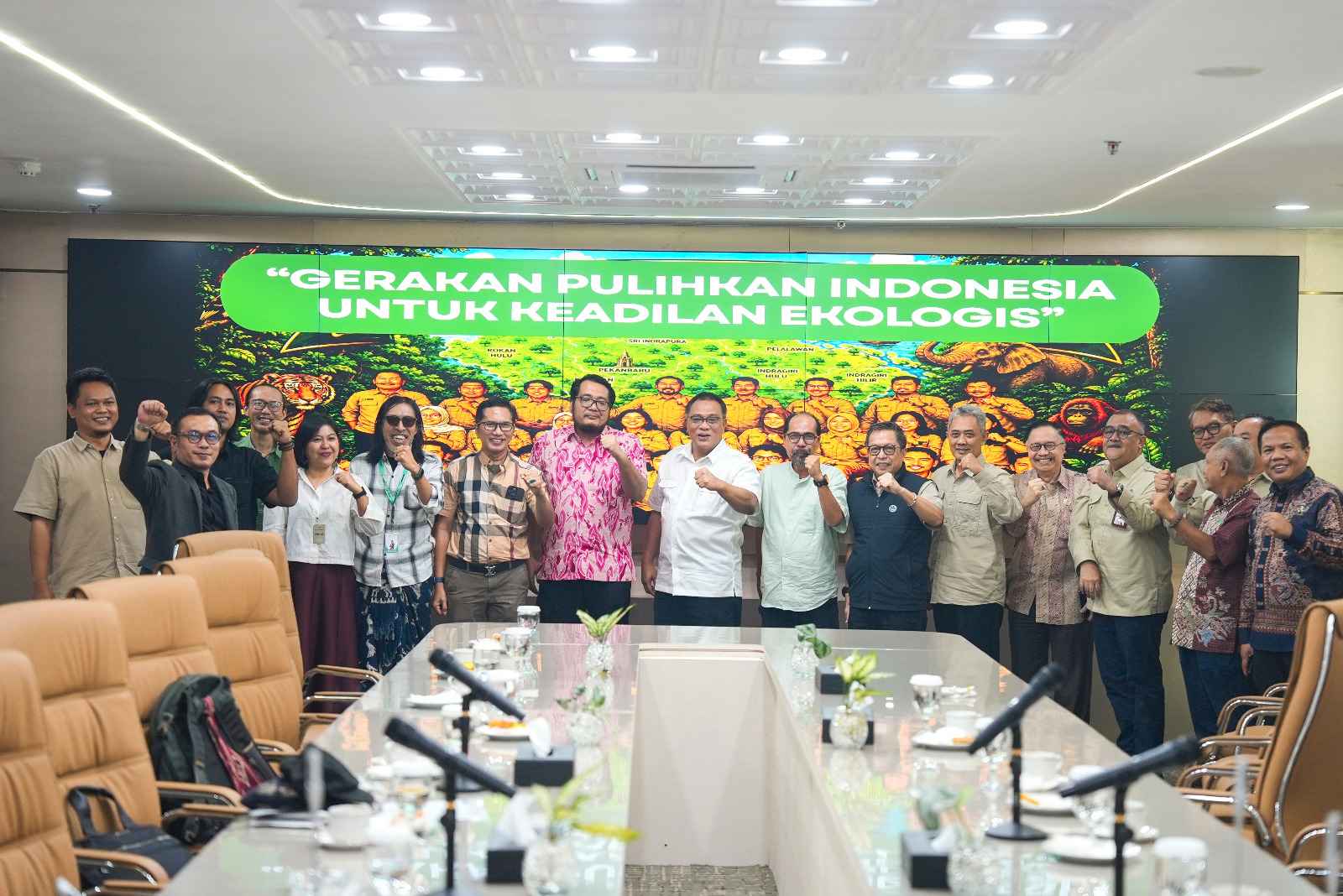
The initiative forms part of the ecological conversion movement promoted by Environment Minister and BPLH Head Moh Jumhur Hidayat. The concept encourages a shift in human attitudes toward nature, replacing exploitative practices with responsible stewardship to ensure environmental sustainability for future generations.
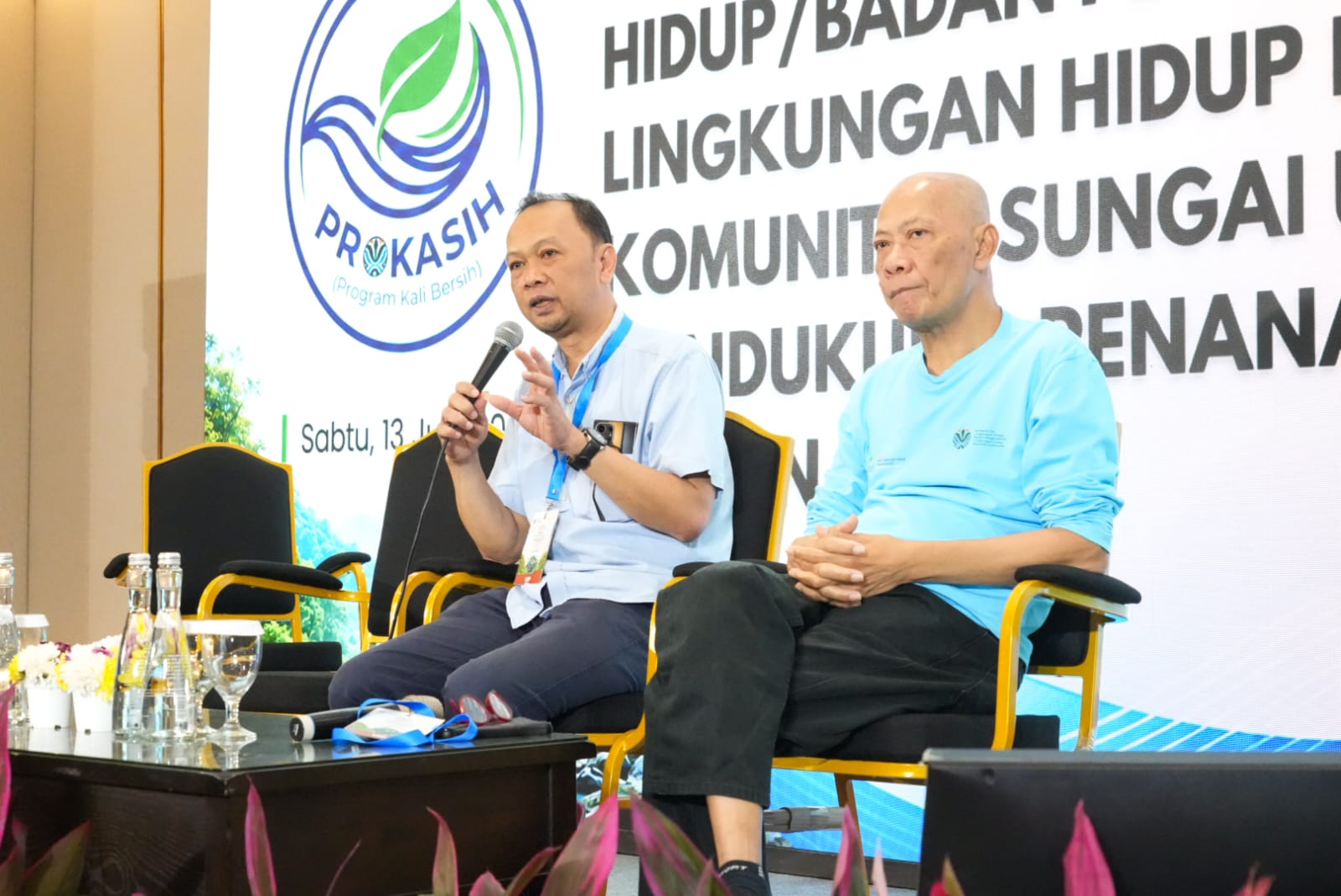
Tulus Laksono, Director of Water Quality Pollution Control at KLH/BPLH, said the target of rehabilitating two million hectares through the planting of two billion trees requires careful planning and the participation of all sectors of society.
He identified mangrove ecosystems and priority river basins, particularly those on Java Island, as key areas for restoration. According to Tulus, the selected tree species should be adaptable, beneficial to local communities, and capable of sustaining ecosystem functions.
He explained that watershed rehabilitation plays a strategic role in maintaining both the quality and quantity of water resources. Vegetation in upstream areas improves rainwater absorption, reduces erosion and sedimentation, lowers the risks of floods and landslides, and helps secure water supplies during dry seasons. Trees also contribute to carbon sequestration and support Indonesia’s greenhouse gas emission reduction targets.
Community organizations have pledged support for the program. Didin, a representative of the Citarum River Guardians Community, said around 8,000 hectares of degraded land in West Java still require rehabilitation. He noted that river communities in the Citarum Basin are ready to strengthen cooperation with government agencies, universities, and environmental organizations to accelerate ecosystem restoration.
Muqodas, representing the Bamboo and Environment Community of the Kasepuhan Cibarani indigenous community, said residents in the Cisadane watershed are prepared to contribute to the national campaign. He noted that approximately 4,980 hectares of land in the area are suitable for bamboo and other productive tree species. Local communities have long planted bamboo to protect springs, enhance groundwater recharge, and prevent soil erosion.
Imam, a representative of the Surabaya Water Patrol Community, emphasized that successful watershed restoration depends not only on the number of trees planted but also on consistent maintenance, stronger law enforcement against pollution, and sustained public participation. He also stressed the importance of involving younger generations in environmental conservation efforts.
In addition to expanding tree-planting activities, KLH/BPLH is promoting the idea of a National Water Congress that would bring together river communities, government institutions, academics, businesses, and civil society organizations to strengthen cooperation on water resource management and pollution control.
Through the two-billion-tree movement, the ministry aims to translate ecological awareness into concrete action. Officials said planting and caring for trees represents a long-term investment in securing water resources, reducing disaster risks, improving environmental quality, and ensuring sustainable livelihoods for future generations. (*)