Enviro News Asia, Jakarta — The Asosiasi Dosen dan Peneliti Ilmu Komunikasi Indonesia (ADPIKI0) urged a transformation in the role of professional organizations to strengthen their contribution to higher education quality and accreditation in Indonesia.
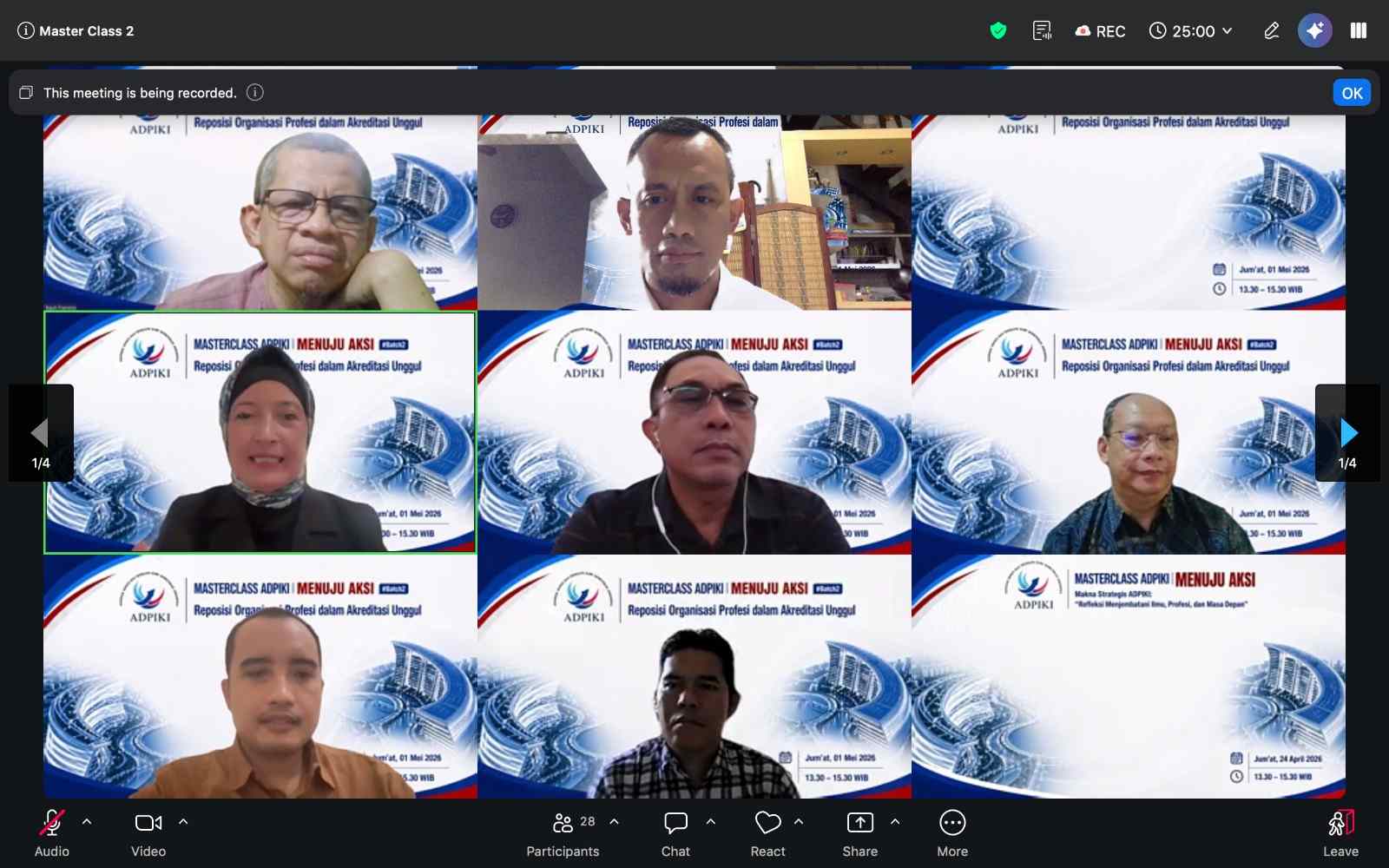
The association delivered this message during the Masterclass Batch 2 discussion held online on May 1, 2026, in Jakarta. The forum addressed the need to reposition professional organizations from administrative requirements to active contributors in improving academic standards, curriculum development, graduate competencies, and collaboration between universities and industry.
ADPIKI’s leadership emphasized that advancing communication studies requires strong coordination among universities, professional organizations, government institutions, and industry stakeholders. The association highlighted its role as a strategic platform for lecturers and researchers to enhance professional capacity and ensure that graduates remain relevant to labor market demands.
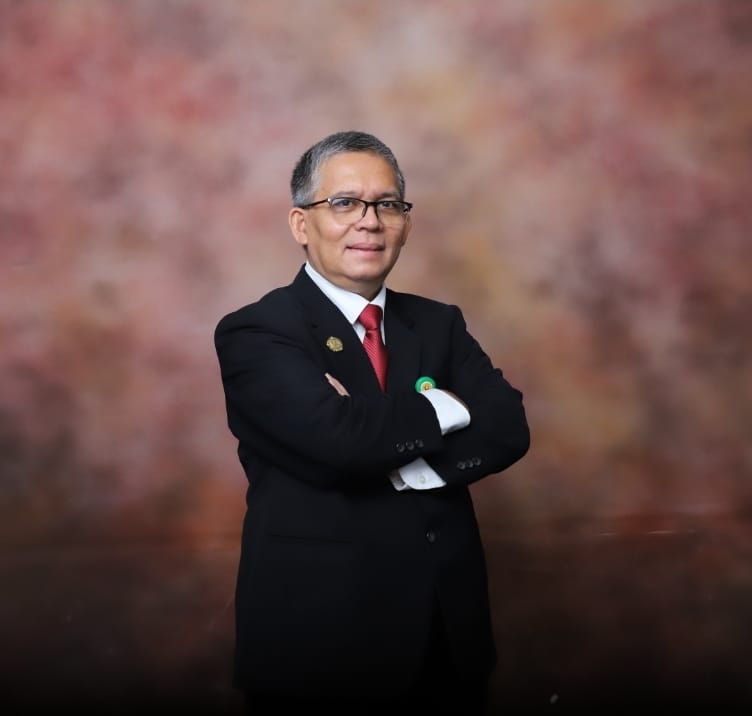
Catur Suratnoaji, a professor of political communication and big data at Universitas Pembangunan Nasional Veteran Jawa Timur, stated that professional organizations must evolve into strategic actors capable of influencing policy, employment markets, and the broader professional ecosystem. He explained that these organizations should function as external quality assurance bodies, mediators between academia and industry, and developers of adaptive competency standards aligned with emerging technologies such as artificial intelligence and big data.
He also called for repositioning professional organizations as social impact hubs that connect academia, industry, government, and society. He noted that this role includes developing digital platforms for competency mapping, providing labor market data, and facilitating professional incubation programs.
Meanwhile, Irwansyah from Universitas Indonesia highlighted the persistence of tokenism, where professional organizations serve only as formal requirements in accreditation documents. He stressed that high-level accreditation requires measurable evidence of their contribution to educational quality.
He added that professional organizations must act as co-producers of quality by participating in standard-setting, curriculum validation, and competency recognition. He emphasized that academic quality results from collaboration among multiple stakeholders, including institutions, faculty members, students, alumni, industry users, and professional bodies.
ADPIKI concluded that strengthening the strategic role of professional organizations is essential to achieving sustainable high accreditation standards. The association underscored that integrated collaboration and the use of data and technology will enable these organizations to deliver tangible contributions to educational quality, graduate competitiveness, and the global standing of Indonesian universities. (*)