Enviro News Asia, Pasuruan — Indonesia’s Ministry of Forestry praised the successful birth of three Bengal tiger cubs at Taman Safari Indonesia II Prigen, highlighting progress in wildlife conservation efforts. The cubs were born in early March 2026 and are reported to be in healthy condition.
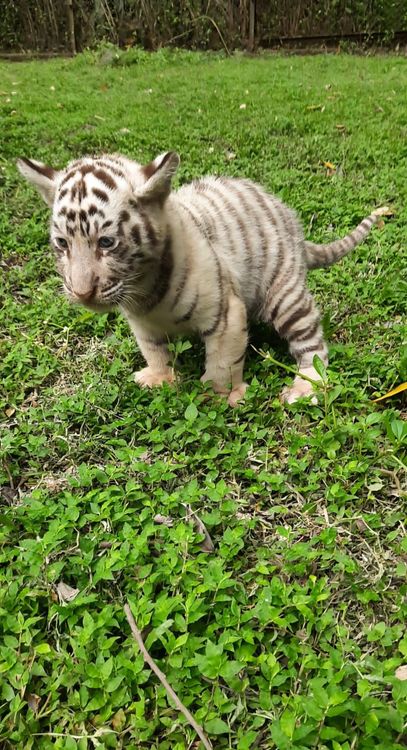
Two orange-colored cubs were born on 1 March, followed by a rare white cub on 3 March from parent tigers Anja and Rinjani. The births not only increase the population but also demonstrate strong genetic diversity within the conservation program.
Director General of Natural Resources and Ecosystem Conservation Satyawan Pudyatmoko stated that the achievement reflects the effectiveness of science-based conservation and proper genetic management. He emphasized that conservation efforts must focus on both population growth and genetic quality.
The presence of a white Bengal tiger, which results from a rare recessive gene, indicates a well-managed breeding program. Genetic diversity plays a crucial role in improving species adaptability, maintaining population resilience, and reducing the risk of genetic disorders.
The ministry noted that the success was made possible through collaboration between conservation institutions, professionals, and public support. It continues to encourage stronger partnerships among government agencies, conservation managers, academics, and communities to protect wildlife.
All cubs and their parents are currently under close supervision by veterinary teams to ensure proper care and animal welfare standards.
The government reaffirmed its commitment to strengthening both in-situ and ex-situ conservation programs, including improving management standards, monitoring genetic sustainability, and expanding public education.
The ministry expects this achievement to raise awareness and inspire broader participation in wildlife conservation, emphasizing that protecting biodiversity is a shared responsibility for future generations. (*)