Enviro News Asia, Central Java — Smallholder farmers are emerging as key contributors to sustainable timber supply and rural development, with growing recognition of their role in restoring degraded landscapes and supporting global wood demand.
At a recent webinar organized by the International Tropical Timber Organization (ITTO) and partners, experts highlighted how small-scale tree farmers contribute significantly to tropical timber production while generating income and employment in developing countries.
Anto Rimbawanto from National Research and Innovation Agency stated that smallholders already supply a substantial share of timber but require stronger capacity building, improved market access, and supportive policies to maximize their potential. He pointed to collaborative projects that combine technical support, financing, and market information to help farmers produce higher-quality timber.
Globally, smallholders manage about one-third of planted forests and supply more than 20 percent of roundwood. In developing countries, forests contribute over 20 percent of rural income, underscoring their importance to livelihoods and local economies.
In Indonesia, the Jepara furniture industry in Central Java demonstrates this impact. The sector depends heavily on teak supplied by smallholders, who provide up to 80 percent of raw materials for an industry employing around 120,000 workers and contributing significantly to the regional economy.
Experiences from Vietnam show how policy support can strengthen smallholder systems. Land reforms and access to land-use certificates have enabled more than 500,000 households to manage a large share of plantation forests and secure financing for productivity improvements.
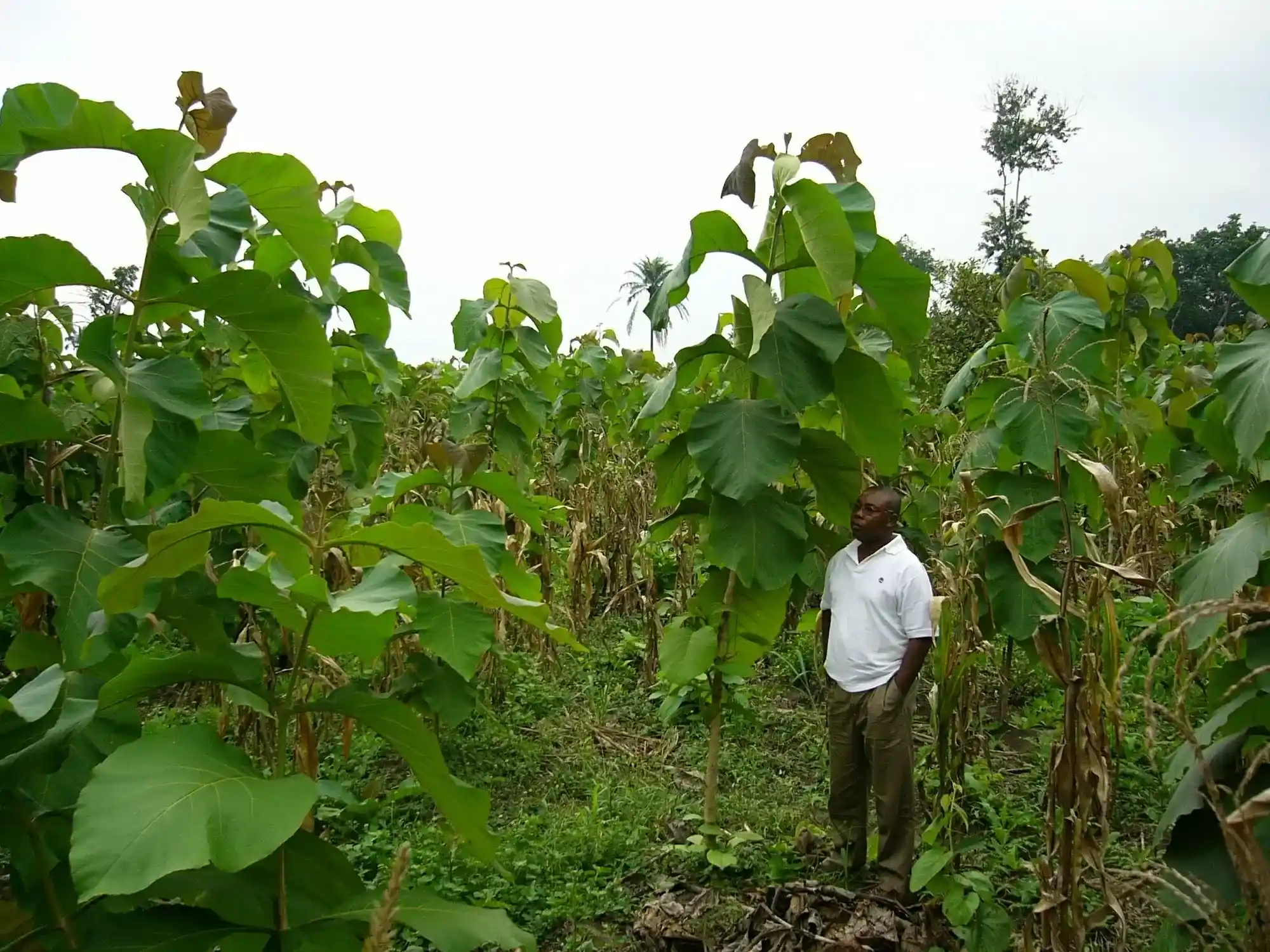
Research presented by Institute of Forest Genetics and Tree Breeding highlighted that productivity depends on site conditions, management practices, and environmental factors such as wind exposure. Mixed-species planting, including teak with fast-growing species, was shown to improve yields and provide additional income streams.
A joint report by the Food and Agriculture Organization (FAO) and Center for International Forestry Research and World Agroforestry confirmed that smallholder systems are already vital suppliers of sustainable wood in the Asia-Pacific region. With timber demand projected to rise by 60 percent over the next 25 years, their role is expected to become even more critical.
The report identified priorities such as clearer land tenure, better market access, simplified regulations, and stronger technical assistance to scale up impact. National policies, including agroforestry strategies, have proven effective in boosting productivity and income.
ITTO officials emphasized that international cooperation remains essential to support smallholders. Through its ongoing projects across multiple countries, the organization has helped improve timber quality, strengthen farmer capacity, and deliver social and environmental benefits.
The findings highlight that empowering smallholders is central not only to sustainable forestry but also to economic growth, climate resilience, and long-term resource management. (*)