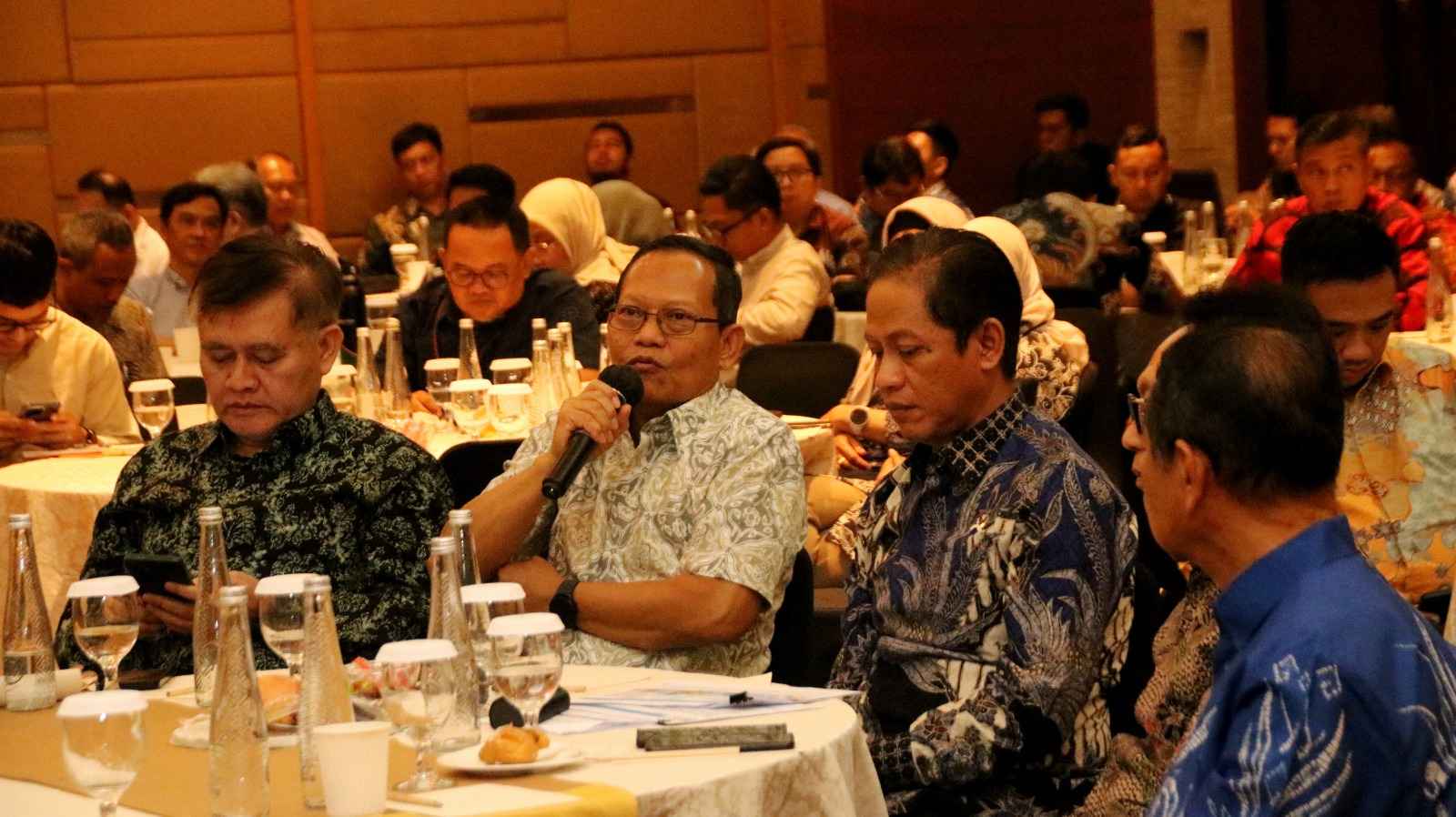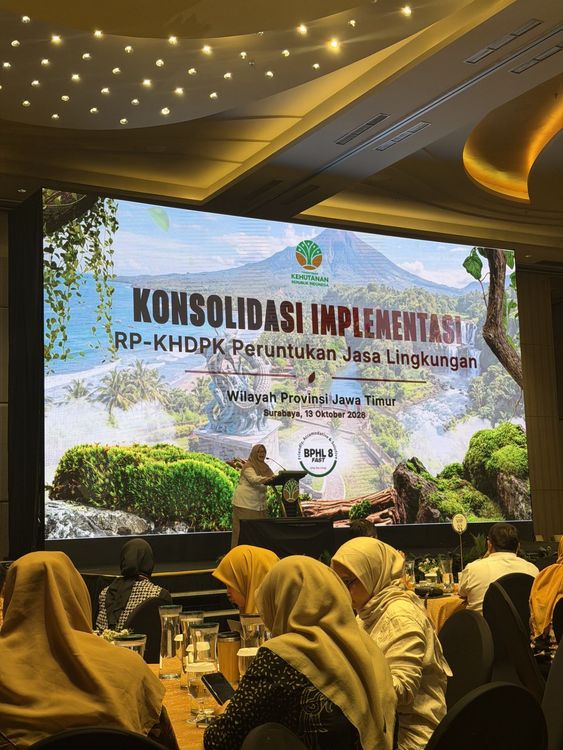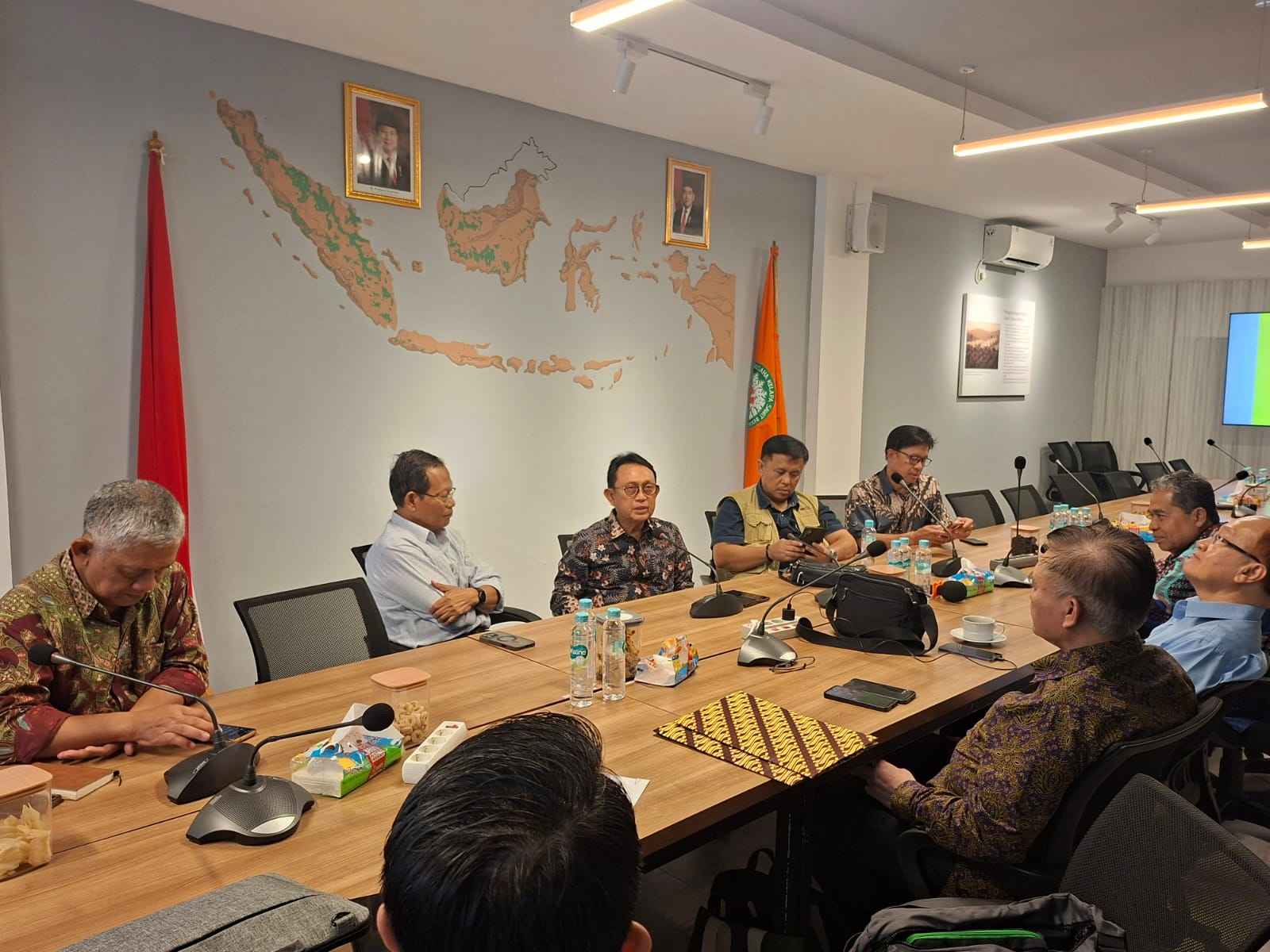
Enviro News Asia, Jakarta — The Association of Indonesian Forest Concessionaires (APHI) and the Indonesian Palm Oil Association (GAPKI) are calling for stronger multi-stakeholder cooperation and the establishment of a joint protocol to accelerate forest and land fire (karhutla) response.
The proposed protocol is intended to ensure that firefighting teams can access fire locations quickly and operate without unnecessary obstacles. The two associations said communities, companies, local governments, the Indonesian Military (TNI), the Indonesian National Police (Polri), Manggala Agni and Regional Disaster Management Agencies (BPBD) all have important roles in coordinated fire response.
APHI Chairman Soewarso said companies holding Forest Utilization Business Licenses (PBPH) have prepared personnel, command posts, vehicles, pumps, water sources and other equipment as part of their obligations to prevent and control forest and land fires.
In certain situations, company firefighting teams also assist in responding to fires outside concession areas. Such assistance is intended to prevent fires from spreading to forests, settlements, community-owned land and other operational areas.
“Fire does not recognize administrative or concession boundaries. When a fire is detected around an operational area, rapid action is necessary to prevent it from developing into a major fire and causing wider impacts,” Soewarso said.
He emphasized that the first few hours are critical to successful firefighting, particularly in peatland areas and locations experiencing dry conditions. Delays can make fires increasingly difficult to control, especially when fire locations are far from water sources or accessible only through specific routes.
Soewarso also stressed that firefighting efforts should not be interpreted as an attempt to take control of or occupy community land. Rather, firefighting is an emergency response intended to stop fires, protect human safety and prevent environmental damage.
GAPKI Chairman Eddy Martono said plantation companies are also strengthening their preparedness through patrols, hotspot monitoring, firefighting teams, high-capacity pumps, water tankers, heavy equipment, drones and other supporting facilities.
According to Eddy, company personnel and equipment can also be deployed during emergencies to assist in fighting fires around operational areas. However, the effectiveness of such assistance depends on access and support from local communities and other stakeholders.
“Firefighting personnel and equipment will only be effective if they can quickly reach the fire. Therefore, collaboration and open access are essential. Critical time must not be lost because of misunderstandings or a lack of communication,” Eddy said.
He added that cooperation between companies and communities has already been established in many areas. Fire-Aware Communities, farmer groups, village governments, customary leaders, authorities and companies have become important components of early detection and fire response systems at the local level.
GAPKI is calling for every village vulnerable to forest and land fires to have an emergency contact number, a single communication channel, a firefighting access map, information on water sources and a list of personnel who can be contacted when a fire is detected.
APHI and GAPKI said forest and land fires are cross-boundary challenges that cannot be addressed by the government, communities or companies individually. Prevention and response require mutual trust, clearly defined responsibilities and a willingness among stakeholders to assist one another.
The two associations are therefore encouraging local governments to facilitate the preparation of collaborative protocols before the peak of the dry season. Such protocols should respect community rights while ensuring that firefighting teams can move rapidly when fires are detected.
Early communication and coordination are expected to reduce misunderstandings and prevent resistance to emergency firefighting operations. Stronger collaboration would allow fires to be contained at an early stage before developing into disasters that could harm communities, businesses and the environment. (*)