

Enviro News Asia, Bali — International water experts have called for stronger cross-border cooperation, innovative financing and greater community involvement to protect aquatic ecosystems, as countries seek to turn environmental commitments into practical solutions.
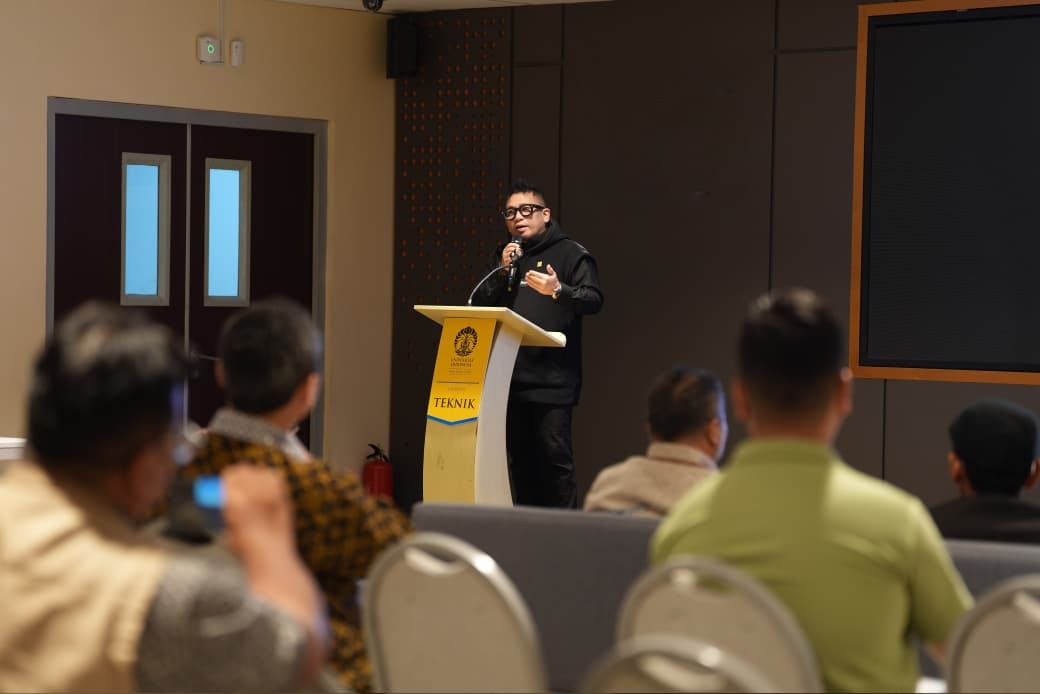
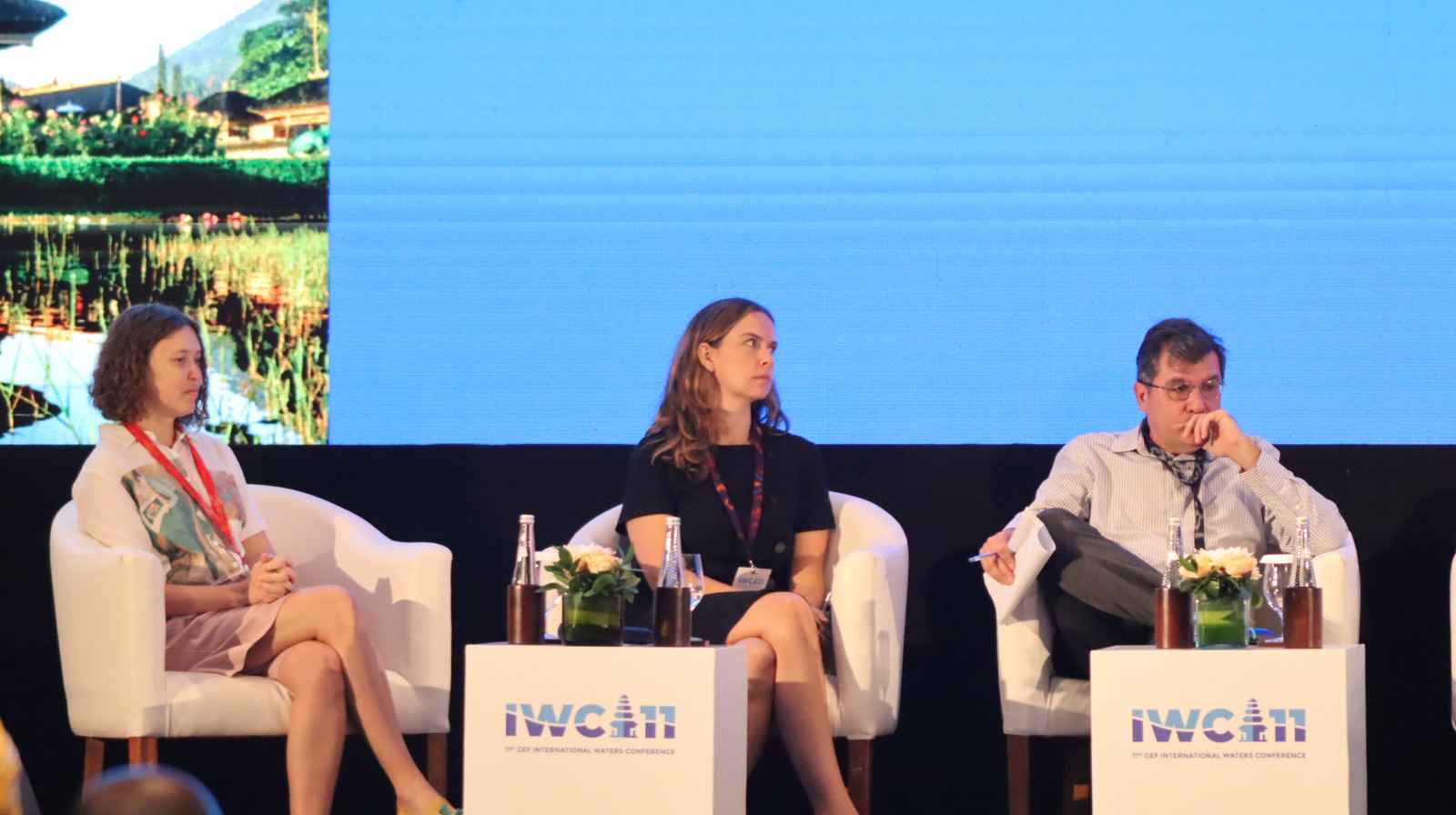
The call emerged during the 11th International Water Conference (IWC-11) in Bali on Oct. 21, where international partners exchanged experiences on sustainable water management through workshops, special sessions and plenary discussions.
Erik Teguh Primiantoro, an expert adviser to Indonesia’s Environment Ministry on international relations and environmental diplomacy, who also serves as Indonesia’s Global Focal Point for the Global Environment Facility’s International Waters program, said the conference provided an important platform for sharing lessons from water management projects worldwide.
Indonesia presented ongoing domestic initiatives while drawing on experiences from other countries and international partners, he said.
“Implementation is the key. We must deliver concrete action on the ground, not only to address environmental and scientific concerns but also to promote environmentally based economic activities,” Erik said. He added that innovative financing, including private-sector participation, was needed to ensure communities benefited from these efforts.
The conference highlighted shared water resources, collective responsibility and coordinated action as essential to addressing interconnected environmental challenges.
Indonesia’s experience offers examples of how environmental conservation can be integrated with science, cultural traditions and local livelihoods. Bali’s subak irrigation system, for instance, demonstrates a community-based approach to water governance rooted in local knowledge and collective management.
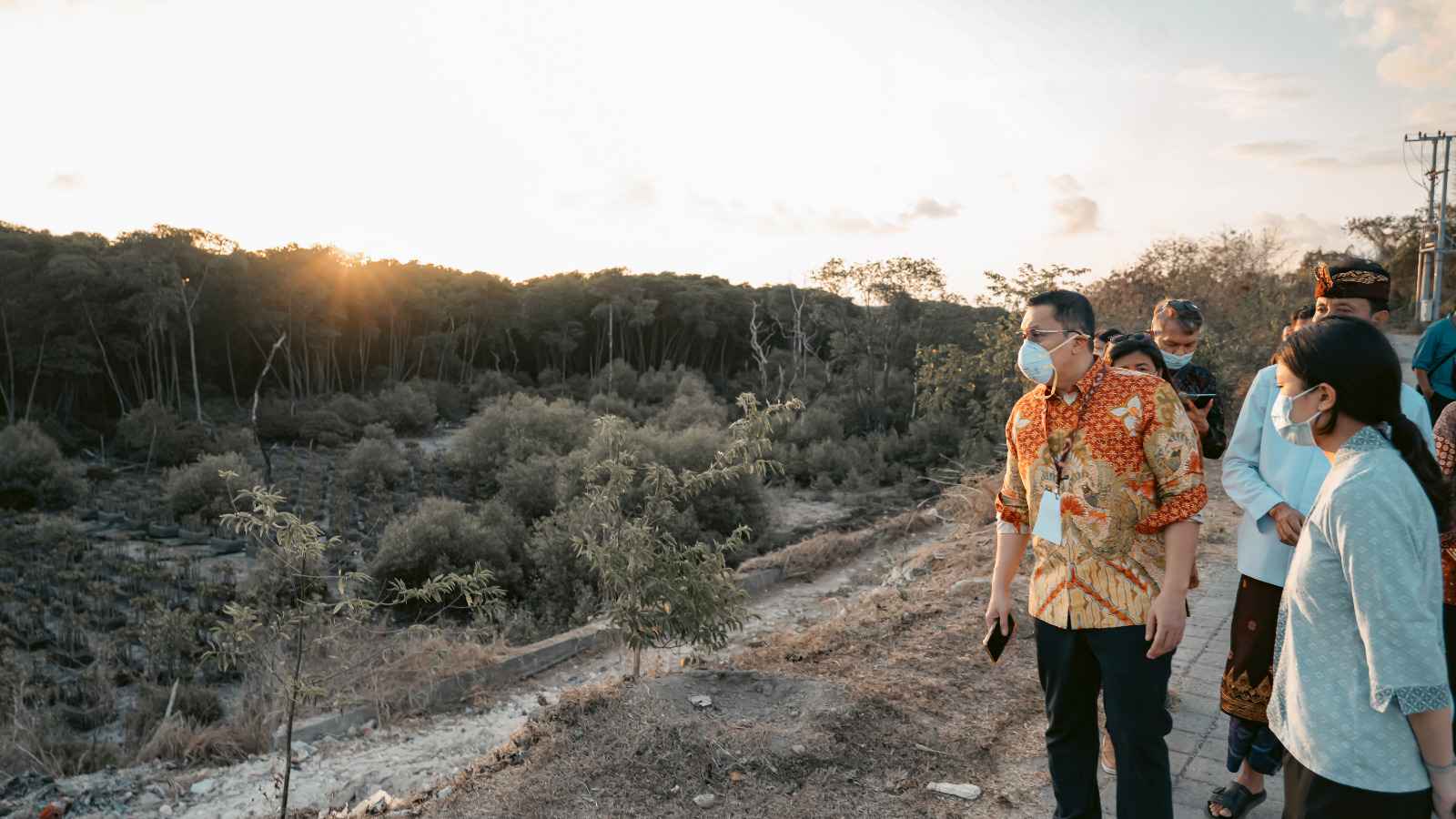
Participants also explored geopark development, coastal and marine conservation, and efforts to prevent plastic waste from polluting waterways. These initiatives provided opportunities to examine how locally developed practices could be adapted and expanded in other regions.
Discussions focused on sustaining such programs through improved financing mechanisms and international knowledge exchange.
Christine Haffner-Sifakis, representing the United Nations Environment Programme (UNEP) and bringing a Mediterranean regional perspective, highlighted blended finance and knowledge management as important elements of the conference.
Blended finance combines public funding, support from international institutions and private investment to help mobilize resources for projects with environmental and social benefits. Such arrangements could help water management initiatives secure more sustainable funding and expand their reach.
Christine said the conference enabled participants to learn from different regions, identify opportunities for synergy and strengthen partnerships.
“We learn a great deal from this community. We can develop synergies, work together more effectively and, most importantly, continue building strong partnerships,” she said.
Raymond Schuster of the Pacific Community, a regional organization based in the Pacific, emphasized the importance of involving communities and stakeholders throughout the planning and implementation of water management programs.
He highlighted the source-to-sea approach, which recognizes the connections between freshwater systems, coastal areas and marine ecosystems. Effective management, he said, requires more than technical solutions; it also depends on inclusive governance and community ownership.
“The most important factor in building sustainability is ensuring that stakeholders are involved and feel ownership of the activities and infrastructure being developed,” Raymond said. He added that sound governance systems were necessary to improve implementation.
Raymond said lessons from international cooperation could inform the Pacific Community’s programs across Pacific island countries. He also highlighted the value of “tautua,” a principle of service to communities and the wider region that guides the organization’s work.
The discussions reinforced the need to combine technological and financial innovation with strong governance and meaningful public participation. Without these elements, projects risk delivering infrastructure or short-term activities without building the local capacity needed to sustain them.
Through IWC-11, Indonesia is seeking to translate international knowledge-sharing into concrete follow-up actions. Participants emphasized that stronger partnerships, innovative funding and community engagement could help scale up solutions to protect water resources while delivering lasting benefits for local populations. (*)