Enviro News Asia, Belém — During a meeting with foreign journalists on Tuesday (November 4), President Luiz Inácio Lula da Silva expressed strong confidence that Brazil will successfully host the 30th United Nations Climate Change Conference (COP30) in Belém, Pará, next year. Lula highlighted the government’s commitment, the Amazon’s global significance, and Brazil’s leadership in renewable energy as key factors ensuring the success of the upcoming summit.
“When we decided to bring COP to Pará, to the city of Belém, and to the Amazon, we were aware of the challenges,” said the President. “We chose not to pursue comfort but rather to embrace challenges. We wanted the world to come and experience the Amazon.”
Over the past weeks, Lula has personally monitored COP30-related infrastructure developments, including the revitalization of Porto de Outeiro and the expansion of Belém International Airport. He also visited several local communities — from Vista Alegre do Capixauã Village in the Tapajós-Arapiuns Extractive Reserve to Quilombola Itacoã-Miri in Acará — to observe the lives of residents who will be most impacted by the event.
“I am certain that we will host the best COP of all,” Lula affirmed. “We have already delivered the best G20 and the best BRICS, and now we will deliver the best COP ever held.”
Lula’s optimism is grounded in four pillars: the readiness of Belém’s infrastructure, a strong security framework, the warmth of its people, and Brazil’s renowned cuisine. “Visitors will feel at home,” he noted. “They will discover an extraordinary culture and enjoy our unique culinary diversity.”
The President also underscored that Brazil enters COP30 as a respected host with a long-standing record of environmental action. “Brazil is seen as a champion of dialogue at the COPs. Deforestation in the Amazon has already fallen by 50% compared to 2022, and we have made major progress across other biomes,” he emphasized.
Lula further pointed out that COP30 will showcase not only the Amazon but also Brazil’s other key ecosystems — the Cerrado, Atlantic Forest, Caatinga, Pantanal, and Pampa — all vital to global biodiversity.
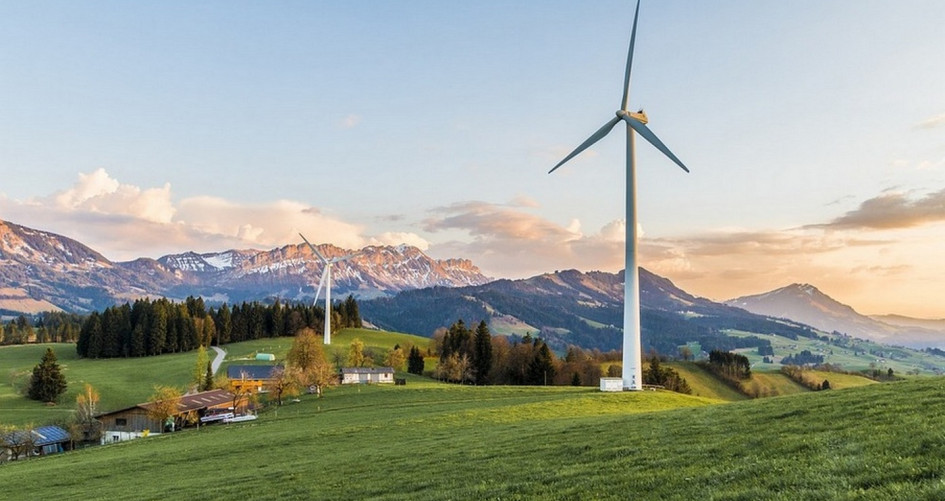
Highlighting Brazil’s leadership in the energy transition, the President reaffirmed that 87% of the nation’s electricity matrix is renewable. “Brazil is a decisive player in multilateral climate negotiations and a global leader in renewable energy, including biofuels, ethanol, wind, solar, and the emerging hydrogen sector,” he said.
When asked about concerns regarding potential oil exploration along the equatorial margin of the Amazon, Lula maintained that any such development would only occur under the strictest environmental safeguards. “If oil is found, we will proceed with the utmost responsibility,” he stated. “It would be irresponsible for any country to declare an immediate end to oil use without viable alternatives.”
The President concluded by reaffirming that Brazil’s role as COP30 host will serve as a global platform to demonstrate its progress in sustainable development, social inclusion, and climate leadership. (*)