Enviro News Asia, Colombia — The Alliance of Bioversity International and CIAT has reaffirmed its role in transforming global food and land systems through an integrated scientific approach that links agrobiodiversity, climate action, landscape management, and inclusive innovation.
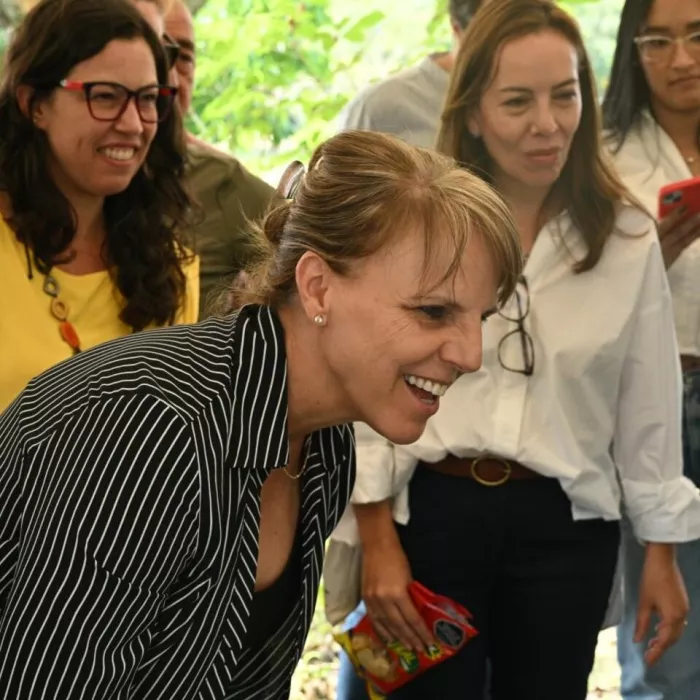
CGIAR Chief Scientist Sandra Milach conducted a week-long visit to the Alliance’s Palmira campus to review how integrated food and land systems research delivers scalable and resilient solutions for global food security. The visit involved engagement with laboratories, genebanks, field research, and interactions with farmers and scientists.
Milach was accompanied by Makram Geha, Director of CGIAR’s Breeding for Tomorrow Science Program. The visit focused on examining how the Alliance connects research across disciplines, scales, and stakeholders to address food and land systems as interconnected systems rather than isolated components.
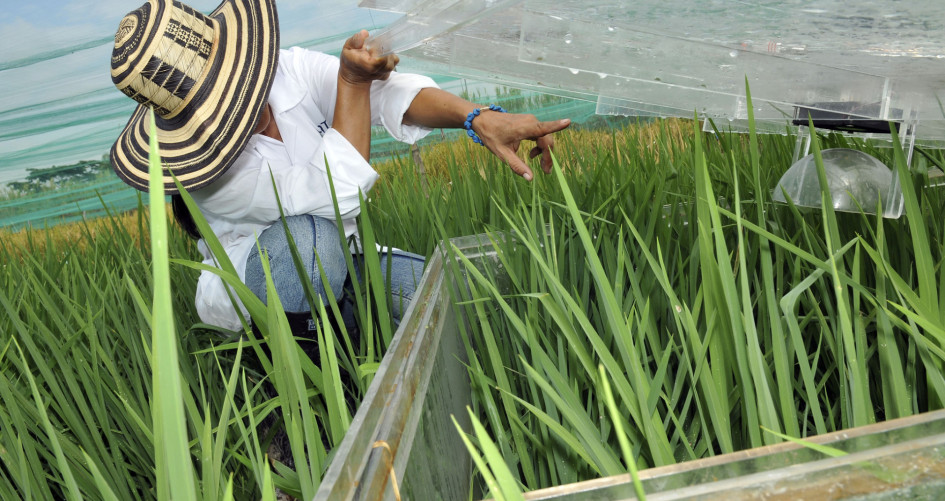
The Alliance integrates climate-resilient agriculture, soil science, modelling, crop breeding, and value-chain development, with a focus on staple crops such as rice, beans, bananas, and forages. This approach supports sustainable production, improved diets, and reduced emissions while strengthening resilience to climate and environmental shocks.
Over the past five years, the Alliance has reached more than 10 million people and improved management practices across more than 6 million hectares of agricultural and landscape systems. These outcomes are driven by applied science designed to deliver public-good impacts and respond to local realities.
CGIAR officials highlighted that the Alliance functions as a strategic connector between science, practice, and policy, enabling research results to scale and inform decision-making. The integrated model also supports collaboration across institutions and sectors to accelerate food systems transformation.
The Alliance is currently preparing a refreshed research strategy to guide its work through 2030, with a focus on strengthening global impact, resilience, and sustainability in food and land systems worldwide. (*)