The shift from fossil fuels to renewable energy is essential for combating climate change and ensuring a greener future. However, the energy transition requires commitment and support from various stakeholders, as it is not a simple process.
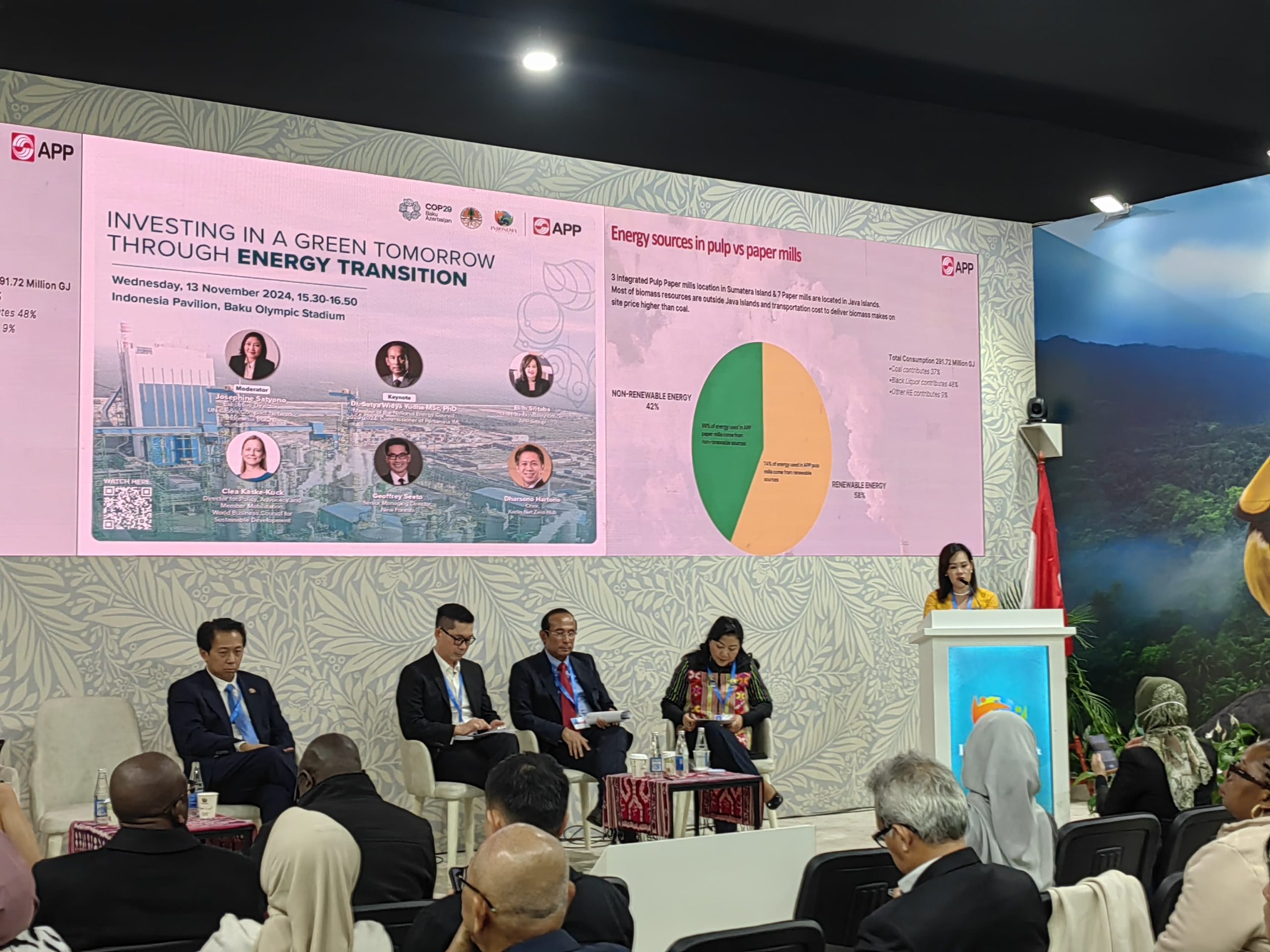
This message emerged during the panel discussion titled “Investing in a Green Tomorrow Through Energy Transition” at the Indonesia Pavilion during the COP29 UNFCCC Climate Change Conference in Baku, Azerbaijan, on Wednesday, November 13, 2024.
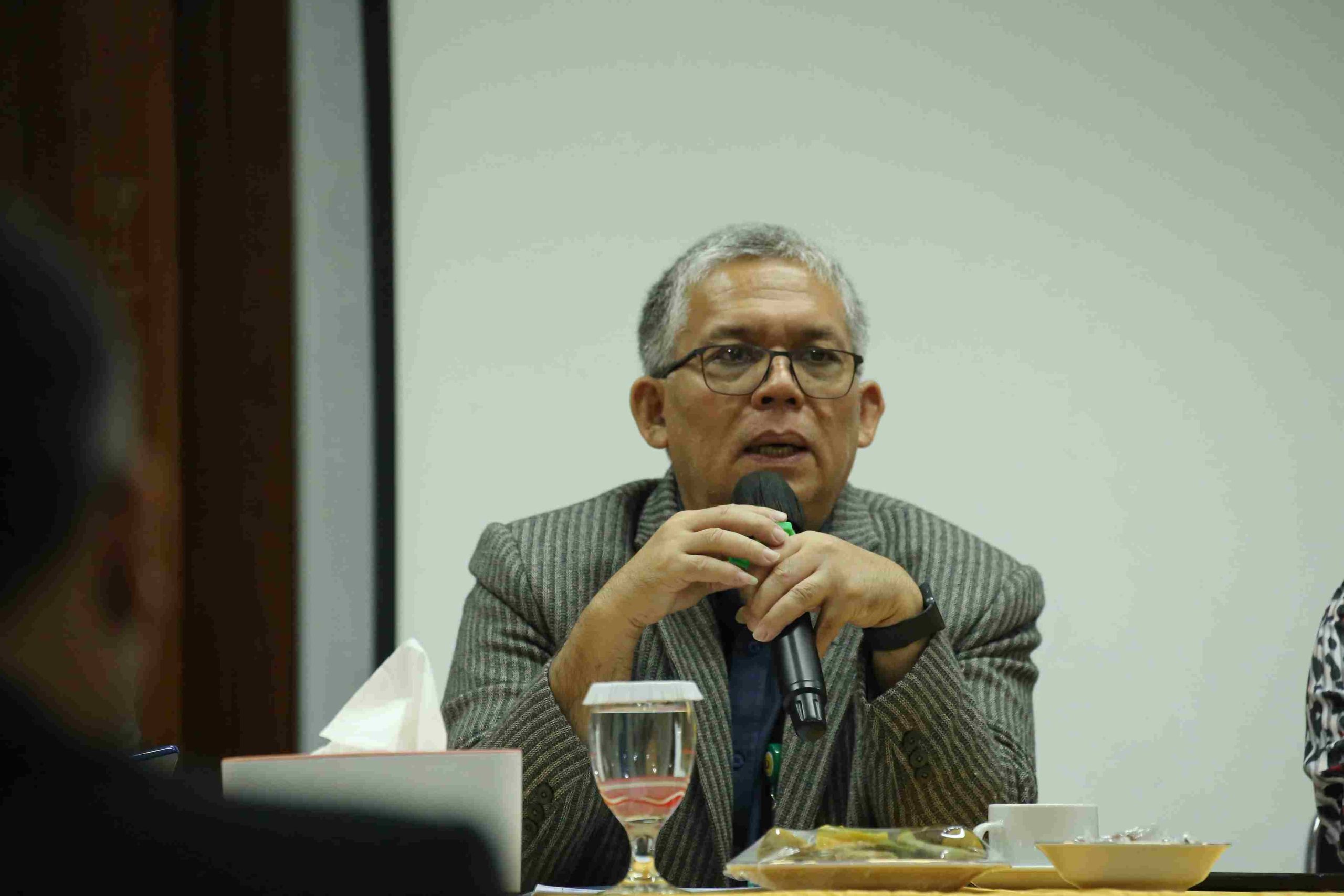
Satya Widya Yudha, a member of the National Energy Council (2020-2024), outlined three major challenges for Indonesia’s energy transition: “First, the substantial investment needed; second, the existing operational power plant assets; and third, technology and innovation,” he stated.
Satya elaborated on Indonesia’s energy transition scenarios. In previous projections, fossil energy still played a role. Assuming an average economic growth of 5.2% per year until 2060, the renewable energy mix would account for 60%, with fossil fuels making up the remaining 40%. If economic growth were to average 5.9% per year, the renewable energy share would increase to 61%, while fossil fuels would drop to 39%.
“The government is currently aiming for 8% economic growth, which requires recalculating the renewable energy mix,” Satya added. He hopes the energy transition in Indonesia will proceed smoothly, especially once the revision of the Government Regulation on National Energy Policy is completed.
Elim Sritaba, Chief Sustainability Officer of APP Group, highlighted the company’s commitment to combating climate change. As part of their decarbonization strategy, APP engages in reforestation and responsible land management to enhance carbon sequestration and sustain natural resources. “Through sustainably managed industrial plantations, we not only increase carbon absorption but also support the well-being of local communities,” Elim explained.
Regarding the energy transition, Elim stated that APP has reduced reliance on fossil fuels by using bioenergy and solar panels, such as in their Indah Kiat and Tjiwi Kimia facilities, as well as OKI, where 98% of energy comes from renewable sources. “Since our 2018 baseline, we have reduced our carbon intensity by 11%. This reflects our commitment to a greener future,” she noted.
Elim acknowledged that a major challenge in transitioning to clean energy is the significant investment required, including the adoption of low-carbon technologies. “A robust financing mechanism is crucial to ensure a just transition, especially for communities around our concessions,” she said. APP also supports public-private partnerships to create inclusive access to financing.
Dharsono Hartono, Vice Chairman of Kadin for Environmental Affairs, mentioned Kadin’s Net Zero Hub, a platform designed to assist companies in decarbonizing, particularly small and medium-sized enterprises (SMEs) and labor-intensive industries. “These SMEs and industries, which are part of the global supply chain, need support in implementing decarbonization measures. If not, they risk being excluded as global consumers increasingly demand more eco-friendly products,” he warned, noting the impact on workers.
Clea Kaske-Kuck, Director for Policy, Advocacy, and Member Mobilization at the World Business Council for Sustainable Development (WBCSD), commended Indonesia for leading energy transition efforts, especially in biofuel and Sustainable Aviation Fuel (SAF) utilization.
Clea emphasized that investments in the energy transition would flow if strong government policies were in place, including streamlined permits and supporting infrastructure.