

Enviro News Asia, Venezuela — Debate over the future of Venezuela’s vast oil reserves intensified following statements by Donald Trump suggesting expanded involvement of United States oil companies in the country’s energy sector.
The discussion emerged after a controversial US military operation earlier in 2026, which Washington initially framed as targeting drug trafficking but later linked to energy interests. The move raised legal, political, and environmental concerns, particularly regarding the potential development of Venezuela’s oil resources.
Venezuela holds the world’s largest proven oil reserves, estimated at more than 300 billion barrels, largely concentrated in the Orinoco Belt. However, experts note that the crude is extremely heavy and carbon-intensive, making extraction and refining both costly and environmentally damaging.
Analysts warn that large-scale development of these reserves could significantly increase global greenhouse gas emissions and undermine targets set under the Paris Agreement. Studies suggest that fully exploiting the reserves could consume a substantial portion of the remaining global carbon budget needed to limit warming to 1.5 degrees Celsius.
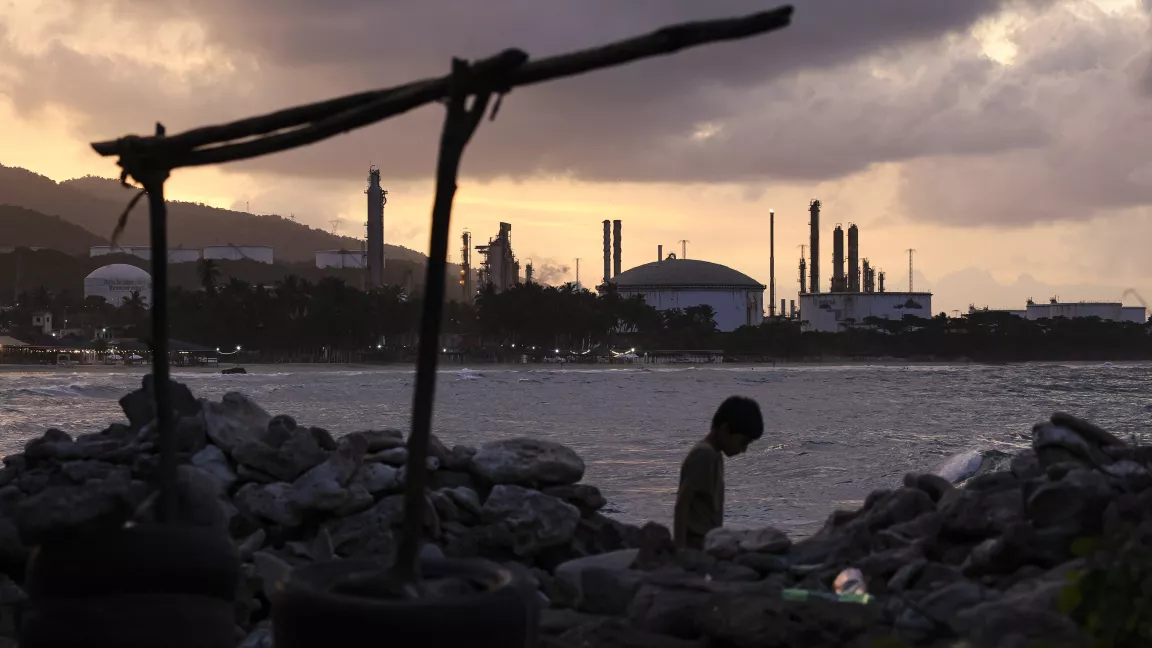
Environmental concerns also extend to Venezuela’s aging oil infrastructure. Years of underinvestment have left thousands of wells inactive, while pipeline leaks and oil spills have caused widespread ecological damage. Methane emissions from the sector are also significantly above global averages, contributing to climate change.
Major investments would be required to restore production capacity. Industry estimates indicate that tens to hundreds of billions of dollars may be needed to rehabilitate infrastructure and scale up output, with some projections exceeding US$180 billion over the next decade.
Critics argue that such investments may not be economically viable, given the global shift toward cleaner energy. They also warn that increased reliance on fossil fuels could delay energy transition efforts and expose economies to long-term financial risks.
At the same time, renewable energy continues to gain momentum worldwide. According to the International Renewable Energy Agency, most new renewable energy projects are now more cost-effective than fossil fuel alternatives, with solar and wind leading global energy expansion.
Experts highlight that countries across Latin America and other regions are rapidly increasing renewable energy capacity, reducing dependence on fossil fuels while improving energy security and sustainability.
The situation in Venezuela underscores broader global challenges in balancing energy security, economic interests, and climate commitments. Observers note that decisions regarding fossil fuel development will have long-term implications for both environmental sustainability and global energy systems. (*)