Enviro News Asia, Jakarta — Universitas Pembangunan Nasional “Veteran” Jakarta (UPNVJ) announced that it will provide a comprehensive, fact-based, and transparent explanation addressing seven key issues raised by a Faculty of Law lecturer during a Constitutional Court hearing on the judicial review of Indonesia’s Teacher and Lecturer Law.
The clarification follows testimony delivered by Faculty of Law lecturer Dinda Dinanti during the Constitutional Court proceedings on June 30. According to the university, the response is intended to uphold public transparency while ensuring that issues concerning lecturers’ employment status, governance, and welfare are understood in their full institutional and regulatory context.
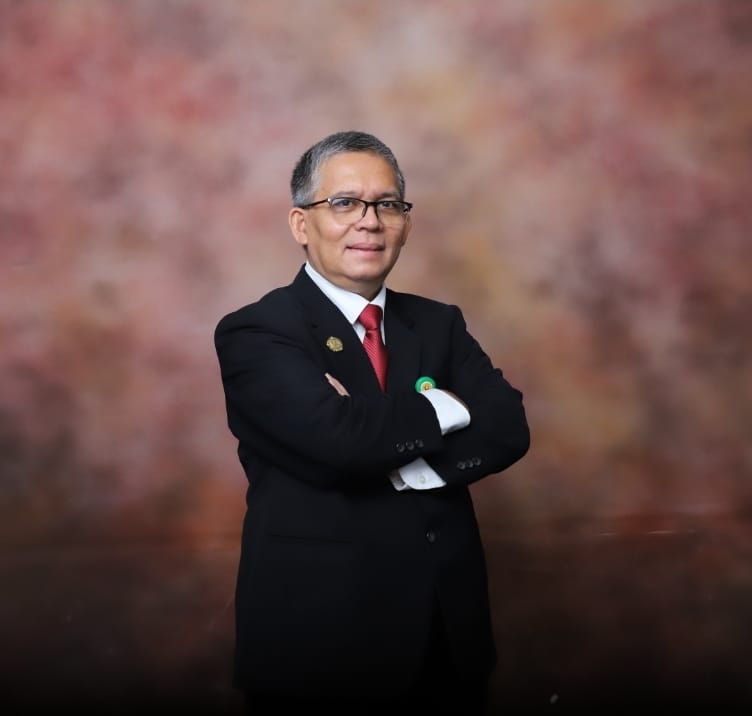
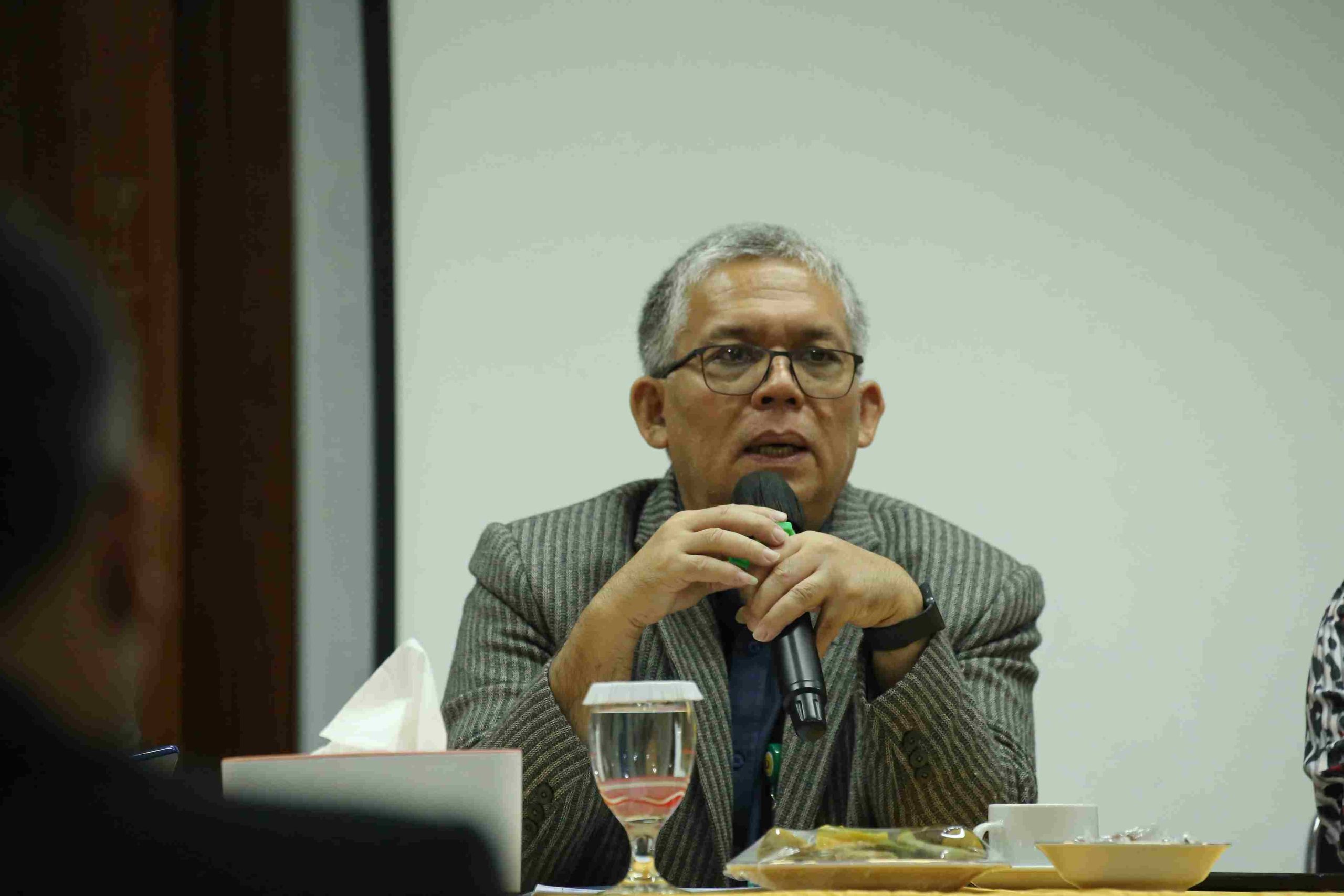
UPNVJ Rector Prof. Dr. Anter Venus said the university fully respects the ongoing judicial process and views the testimony as part of the constitutional right to express academic perspectives.
“As a public institution, UPNVJ has an obligation to provide a complete, factual, and transparent explanation. We want the public and the entire academic community to obtain a clear, comprehensive, and objective understanding of the issues so that misinformation and misunderstanding can be avoided,” Venus said in Jakarta on Thursday.
The rector explained that the university’s internal team, together with the leadership of the Faculty of Law, has reviewed the testimony and identified seven principal issues requiring clarification. These include matters related to employment status, institutional governance, career development, academic qualifications, lecturers’ welfare, and policy mechanisms applicable to public universities operating under the Public Service Agency (BLU) framework.
To ensure that its response is comprehensive and evidence-based, UPNVJ is consolidating employment records, administrative documents, institutional data, and other relevant supporting materials. The university said the information will serve as the basis for its official clarification to ensure public accountability.
“Our guiding principle is Good University Governance. Every policy and decision at UPNVJ is grounded in government regulations, supported by verifiable data, justified by sound institutional considerations, and driven by the intention to advance the university. Once the data consolidation process is complete, we will present our explanation to the public,” Venus said.
UPNVJ emphasized that the clarification is not intended to fuel public controversy but to provide balanced information regarding the institutional context, employment regulations, and the scope of the university’s authority as a state university operating under the BLU system.
The university also reaffirmed that human resource governance remains a key priority within its institutional transformation agenda. Ongoing reforms include strengthening administrative systems, improving personnel services, and enhancing coordination with relevant government ministries and stakeholders in accordance with prevailing laws and regulations.
Venus concluded by reiterating the university’s commitment to maintaining an academic environment that is healthy, productive, transparent, equitable, and grounded in scientific integrity.
“UPNVJ remains committed to fostering an academic environment that is open, fair, and conducive to excellence. Every aspiration will be treated as valuable input for institutional improvement while remaining firmly anchored in regulations, evidence, and the principles of good university governance,” he said.