Enviro News Asia, Jakarta — The Indonesian Ministry of Forestry, through its Agency for Extension and Human Resources Development (BP2SDM), has established a strategic collaboration with the Pertamina Foundation to optimize the function of Special Purpose Forest Areas (Kawasan Hutan dengan Tujuan Khusus/KHDTK).
The collaboration was formalized through the signing of a Memorandum of Understanding (MoU) held at the Dr. Soedjarwo Meeting Room, Manggala Wanabakti Building, Jakarta, on January 14, 2026.
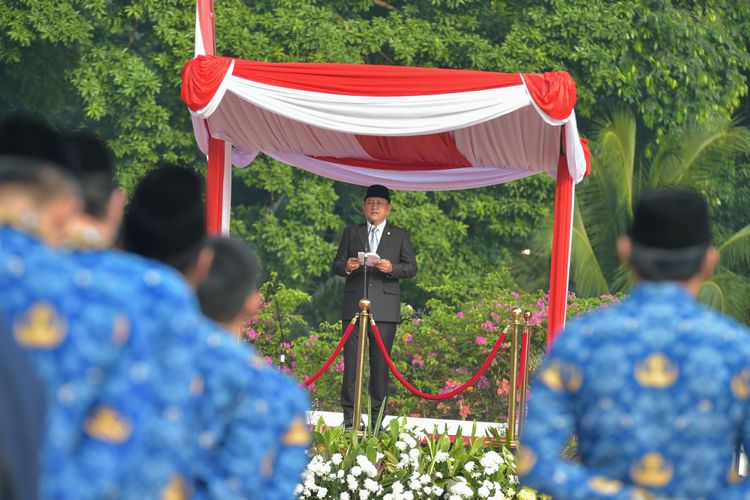
Vice Minister of Forestry Rohmat Marzuki directly witnessed the signing of the MoU, which covers cooperation in education, environmental conservation, and community service. In his remarks, Rohmat emphasized that the partnership represents an innovation in collaborative forest governance aimed at preventing ecological disasters.
He stated that Indonesia’s current national forestry policy requires a paradigm shift from reactive forest management to preventive, adaptive, and disaster-resilient approaches. According to him, KHDTK is expected to function as a Center of Excellence that produces competent human resources while serving as a model for forestry technology and policy development.
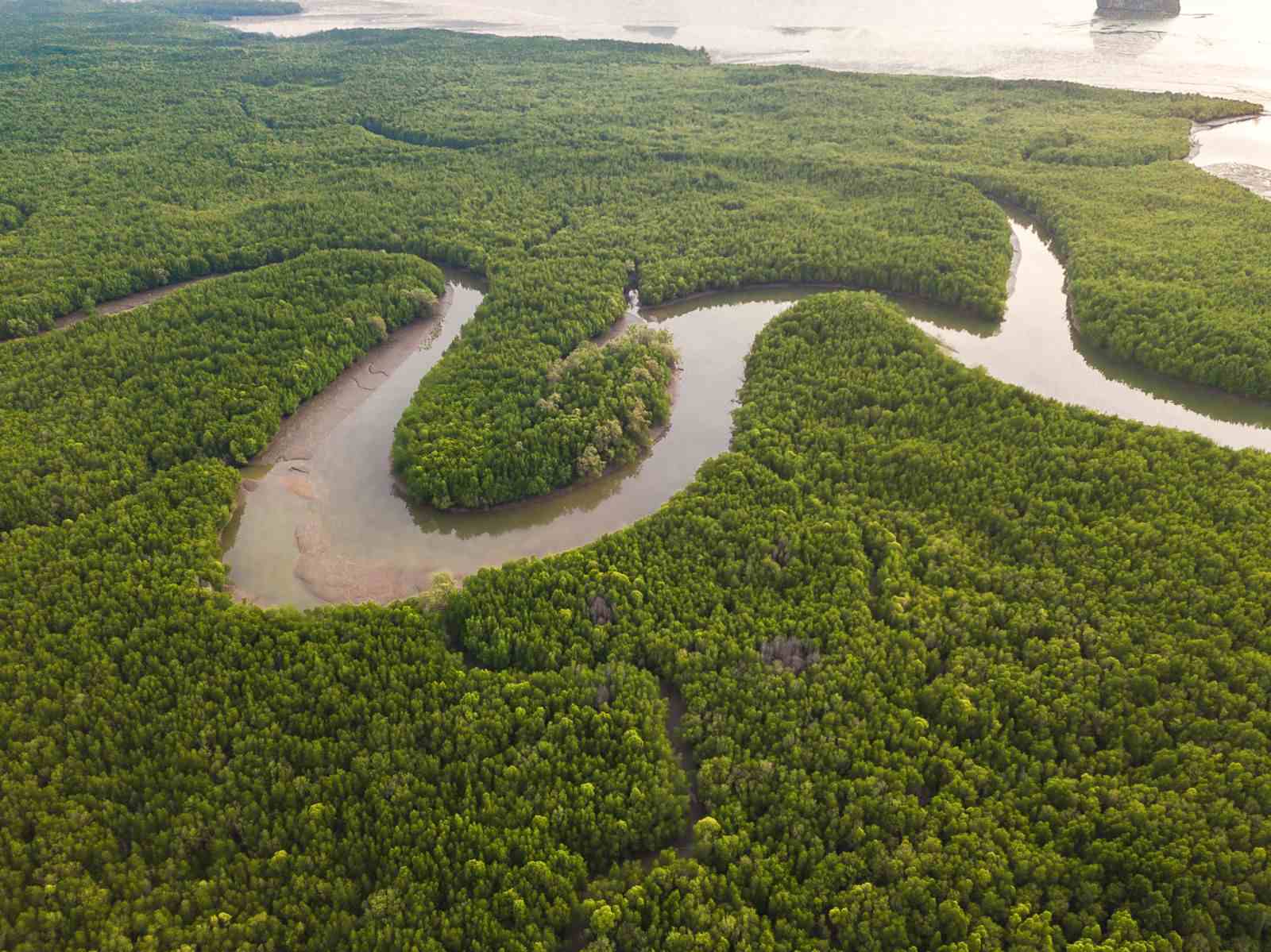
Through this synergy, BP2SDM has designated several KHDTK locations to be jointly developed with the Pertamina Foundation. Planned activities include degraded land rehabilitation, capacity building for forest-adjacent communities, and the integration of food and energy security based on forestry resources.
The initiative aligns with the Ministry of Forestry’s 2025–2029 Strategic Plan and Indonesia’s national climate change mitigation agenda. With more than 90 percent of disasters in Indonesia classified as hydrometeorological events such as floods and landslides, strengthening forest functions as hydrological buffers remains a national priority.
The government expects the MoU to go beyond symbolic cooperation and evolve into a long-term innovation platform for forestry education that can be replicated nationwide to support the sustainability of Indonesia’s forests. (*)