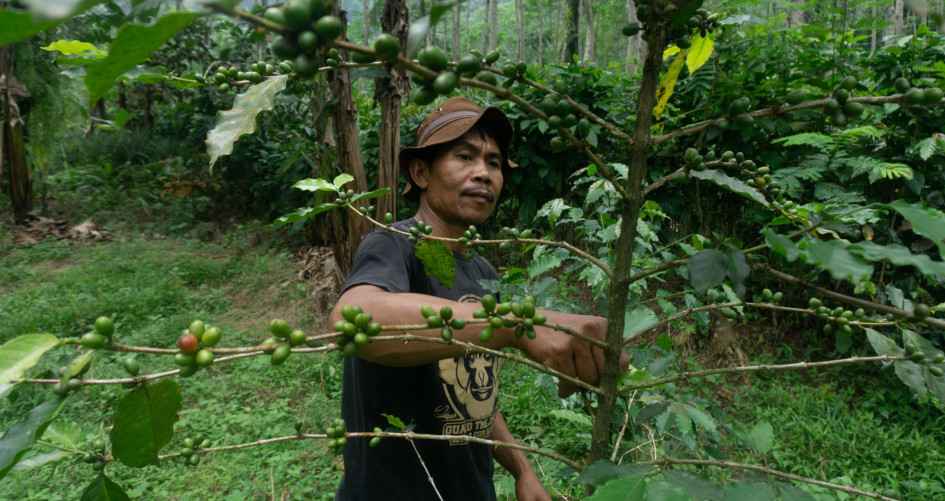
Enviro News Asia, Bonn — Global forest ecosystems play a critical role in supporting economic activity, livelihoods, and climate resilience worldwide, as emphasized in the observance of International Day of Forests 2026.
According to the Food and Agriculture Organization, forests employ at least 33 million people globally and provide essential raw materials for industries such as agriculture, construction, energy, and tourism. Demand for forest-based products and ecotourism continues to rise, reflecting their growing contribution to global economies.
Beyond material production, forests deliver vital ecosystem services that enhance economic stability. They regulate climate, maintain soil fertility, and protect water resources, thereby increasing agricultural productivity and reducing the economic impacts of climate-related disasters.
The United Nations Department of Economic and Social Affairs estimates that more than 1.6 billion people depend on forests for income, employment, or subsistence. In many low-income countries, forests contribute significantly to gross domestic product and serve as a safety net during economic hardship.
However, these economic benefits are under increasing threat from deforestation, forest degradation, and climate change. Strengthening conservation and restoration efforts is therefore essential not only for environmental protection but also for sustaining economic growth and livelihoods.
To support global climate action, UN Climate Change is convening the 13th technical assessment week of REDD+ reference levels in Bonn from 23 to 27 March 2026. The initiative aims to enhance transparency and credibility in reducing emissions from deforestation and forest degradation, while strengthening national capacities.
At the same time, the Presidency of COP30 has launched a roadmap to halt and reverse deforestation by 2030. The initiative seeks to translate global climate commitments into concrete actions, including incentives such as results-based payments and inclusive stakeholder participation.
COP30 President André Corrêa do Lago stated that restoring forests can significantly contribute to reducing greenhouse gas emissions while supporting resilient ecosystems and sustainable bioeconomy development.
These efforts highlight that forests are not only environmental assets but also fundamental pillars of economic resilience and sustainable development worldwide. (*)