Enviro News Asia, Coyhaique – FSC Chile is advancing a new approach to sustainable development in Patagonia by promoting an ecosystem services economy that links forest conservation with measurable economic value, as global stakeholders intensify efforts to address climate change and biodiversity loss.
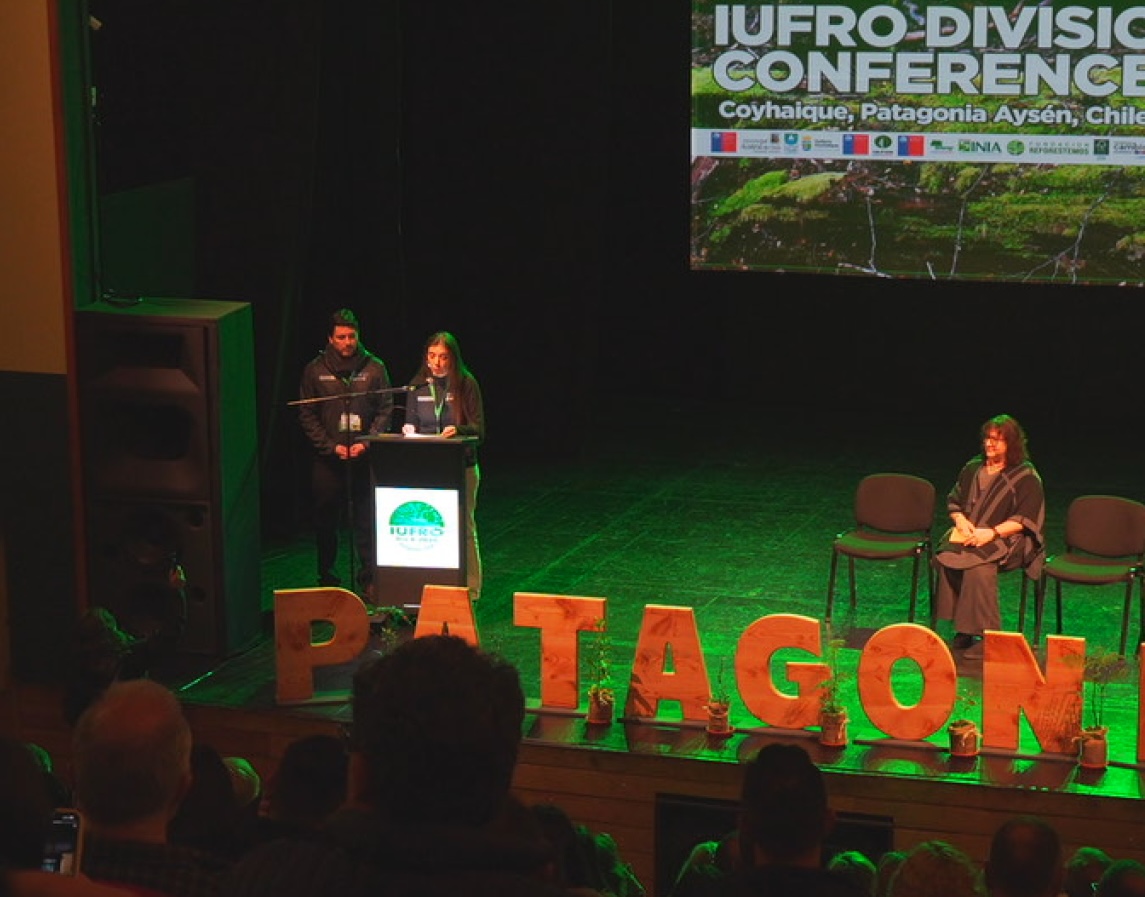
The initiative was highlighted during the International Union of Forest Research Organizations (IUFRO) Division 8 Conference 2026, held in Coyhaique, Aysén Region, where scientists, policymakers, and international organizations convened to discuss forest management, ecosystem services, and climate resilience in Chilean Patagonia. The forum served as a platform to align scientific research with policy and investment strategies across the region.
At the conference, FSC Chile positioned ecosystem services as a central component of sustainable development, emphasizing the need to move beyond traditional conservation models toward systems that generate verified environmental and economic outcomes. The organization underscored the importance of integrating science, governance, and market mechanisms to ensure long-term impact.
FSC Climate and Ecosystem Services Lead for Latin America César Galarza called for a shift in approach, highlighting the urgency of scaling solutions that connect conservation with financial value. “We must move from conventional conservation practices to market-based mechanisms supported by verifiable impact,” he said. “The FSC system can serve as a bridge between scientific knowledge, local territories, and economic opportunities.”
FSC Chile Executive Director Regina Massai, alongside Rayen Catrileo, Leader of the Sustainable Watersheds Program and Impact Acceleration, presented practical applications of this model through initiatives such as the Sustainable Watersheds Program. They introduced a pioneering case of economic valuation of ecosystem services under FSC’s Verified Impact framework, marking a significant step in quantifying the benefits provided by forest ecosystems.
“This milestone allows us to make the value of ecosystem services visible through a scientific and structured approach, while strengthening governance and local development,” Massai said. Catrileo added that the model integrates environmental protection with community participation and economic incentives, enabling scalable solutions across different landscapes.
The approach is already being implemented in several high-value conservation areas, including Tepuhueico Park in Chiloé, the Cordillera Parks network in Santiago, and sites involved in the Clean Production Agreement in Patagonia. These initiatives demonstrate how ecosystem service valuation can be applied across diverse territories to support both conservation and economic outcomes.
Stakeholders from the private sector and local communities also contributed to the discussion, emphasizing the importance of collaboration at the watershed level. Representatives from CMPC and landowners shared experiences on how coordinated land management can enhance environmental benefits while supporting livelihoods. The Patagonia Foundation of Aysén presented the Aldunate Nature Reserve as a case study of integrated territorial management.
The conference further strengthened cooperation among key institutions, including CONAF Aysén, the CIEP Research Center, and the CORFO Transforma Climate Change Program, building a broader network to support sustainable forest management in the region.
The session concluded with a collective commitment to develop a roadmap for advancing ecosystem service valuation and sustainable forest practices in Patagonia. The agreement reflects a shared recognition that scaling these models is critical to addressing climate, biodiversity, and socio-economic challenges.
FSC Chile stated that each hectare of native forest provides essential services, including water regulation, carbon storage, and biodiversity protection, yet these benefits remain underrepresented in economic systems. By promoting forests as natural capital, the organization aims to integrate environmental value into decision-making and investment frameworks. (*)