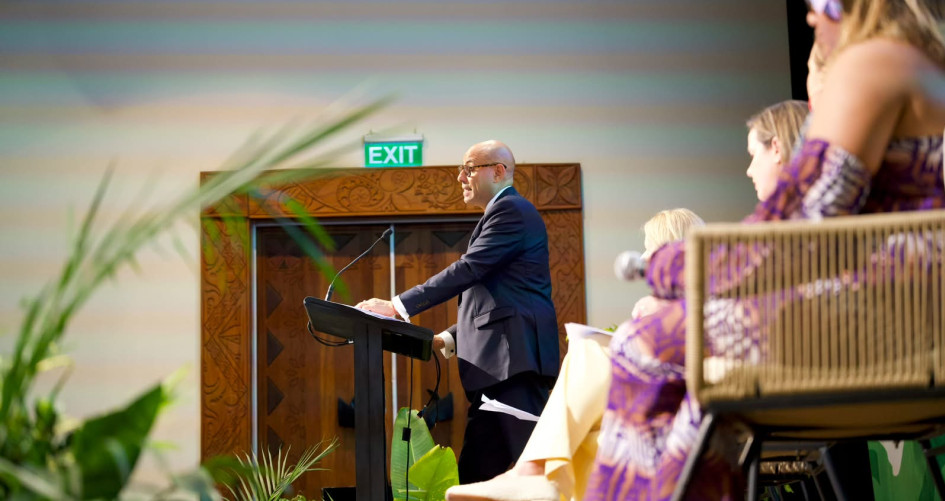


Enviro News Asia, Dushanbe – Seven new climate projects are moving closer to implementation after Funded Activity Agreements were signed on the sidelines of the Green Climate Fund’s 45th Board meeting (B.45) in Dushanbe, Tajikistan, expanding GCF programming across Africa, Asia, the Pacific, Central Asia, and the Middle East.
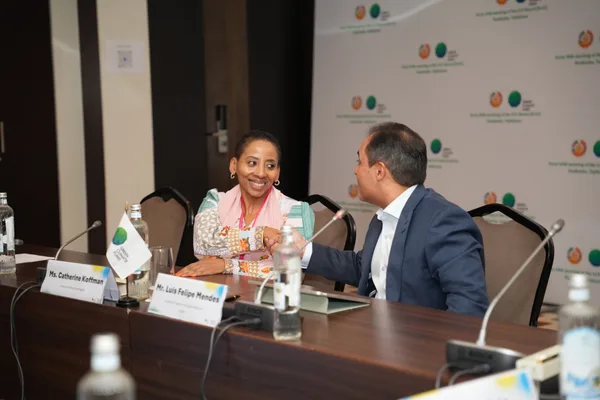
Following the approval of 10 new funding proposals at B.45, the GCF and its Accredited Entity partners signed seven Funded Activity Agreements at a ceremony on July 2, with one project becoming effective immediately. The rapid progression from Board approval to agreement signing reflects GCF’s ongoing efforts to accelerate climate finance delivery and strengthen partnerships with Accredited Entities, national designated authorities, and country partners.
The ceremony also included the signing of a Readiness Financing Agreement for the Center for Implementation of Investment Projects (CIIP) in Tajikistan, marking the first Readiness Programme support approved for a Direct Access Entity in Central Asia.
The seven projects span a wide range of climate challenges. In Indonesia, the BRAVE project in Central Java’s Petanglong area, implemented by Kemitraan bagi Pembaruan Tata Pemerintahan, will strengthen watershed management and climate-resilient livelihoods for flood-prone communities, marking both Kemitraan’s first GCF project and the first GCF project led by a Direct Access Entity in Indonesia.
In Nepal, a project with the National Trust for Nature Conservation will support forest-dependent communities in Karnali Province through ecosystem restoration, climate-resilient livelihoods, and local adaptation planning. In Syria, the WATER-RES project implemented by ACTED marks GCF’s first funded project in the country and will strengthen water resource management systems for vulnerable communities facing water scarcity.
In Côte d’Ivoire, CGIAR’s first GCF project will support the country’s Climate-Smart Agriculture Investment Plan across rice, cassava, and yam value chains. In Togo, a GIZ-implemented project represents the country’s first dedicated health and climate initiative, improving integrated climate and health services. In Fiji, FAO’s Forest Landscape Restoration project represents GCF’s first Ridge-to-Reef approach project in the Pacific, integrating land, water, and coastal ecosystem management. In Tajikistan, a World Food Programme project will scale climate-informed planning, resilient livelihoods, and improved climate information services.
The ceremony also highlighted growing momentum behind direct access and country ownership, with all three Simplified Approval Process proposals approved at B.45 represented at the event. (*)