


Enviro News Asia, Incheon — The Green Climate Fund (GCF) has moved forward with the implementation of seven new climate projects following the signing of Funded Activity Agreements (FAA) on the sidelines of its 44th Board meeting.
The agreements were signed shortly after the approval of 18 projects during the meeting, reflecting GCF’s efforts to accelerate the delivery of climate finance and improve operational efficiency. Of the seven projects, two have already become effective, while one is expected to receive its first funding disbursement within days.
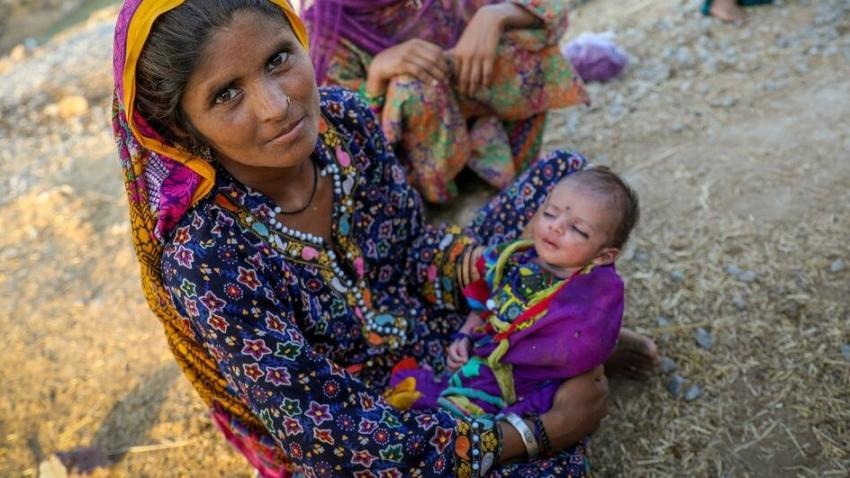
GCF stated that the rapid transition from approval to implementation demonstrates its commitment to strengthening impact and expanding access to climate finance, particularly for vulnerable communities in developing countries.
Four of the seven projects were approved under GCF’s Simplified Approval Process (SAP), a mechanism designed to expedite smaller-scale, high-impact climate initiatives. The agreements also include the Fund’s first single-country projects in Chad and Jamaica.
The 44th Board meeting, held in Incheon, marked a significant milestone with the selection of host countries for GCF regional offices, bringing operations closer to beneficiary nations. During the meeting, the Board approved a total of USD 960.3 million in climate finance, increasing GCF’s overall portfolio to approximately USD 20 billion across 353 projects and programs.
The newly launched projects target a range of climate priorities, including ecosystem adaptation, climate risk protection for smallholder farmers, early warning systems for natural hazards, food security, renewable energy access, and forest conservation.
Key initiatives include projects aimed at strengthening land and ecosystem resilience in Chad, enhancing climate risk protection for farmers in Zambia, improving early warning systems in Armenia, supporting community resilience and food security in Ecuador, expanding renewable energy access in Mozambique, boosting climate resilience among farmers in Jamaica, and protecting forest ecosystems in Peru’s Amazon region.
Several international partners are involved in the implementation of these projects, including the Food and Agriculture Organization (FAO), World Wildlife Fund (WWF), and the Inter-American Institute for Cooperation on Agriculture (IICA).
Through these initiatives, GCF aims to strengthen global climate resilience, support sustainable development, and deliver timely financial resources to countries facing increasing climate risks. (*)