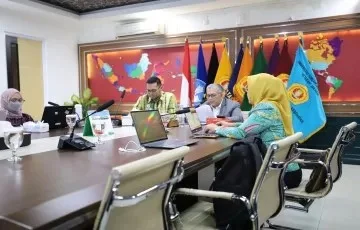
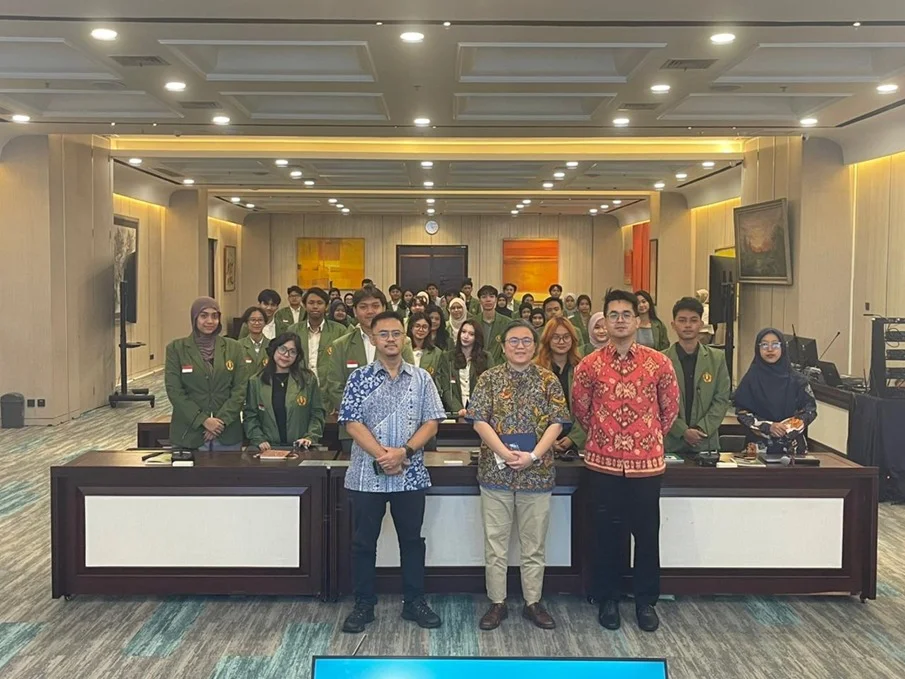
Environews, Jakarta – Facing the global market shift toward a green economy and the digital era, Indonesia’s culinary MSMEs must quickly adapt to remain relevant and competitive. As a sector employing 35% of the national workforce and contributing 40% to the GDP of the non-oil and gas processing industry, culinary MSMEs play a crucial role in the national economy.
This statement was part of a press release from the School of Environmental Science, Universitas Indonesia, received on Monday, December 2, 2024.
It was explained that the transformation journey for MSMEs is not an easy one. Dominated by micro-enterprises, MSMEs face significant challenges such as limited resources, low levels of workforce education, and unequal resource distribution. These challenges limit their ability to implement sustainable business practices and fully harness digital technology.
In response to this need, a policy brief titled “Green Transformation and Digitalization for Culinary MSMEs: Strategies to Enhance Sustainable Business Performance in Indonesia” has been published to provide policy recommendations aimed at strengthening the capacity of Indonesia’s culinary MSMEs.
This policy brief is part of the Riset Kolaborasi Indonesia (RKI 2024), led by Herdis Herdiansyah (Universitas Indonesia), Suci Megawati (Universitas Negeri Surabaya), Amir Machmud (Universitas Pendidikan Indonesia), Sudirman Sud (Liverpool John Moores University), and supported by Ernoiz Antriyandarti (Universitas Sebelas Maret, Solo) and Muhammad Alfarizi (Universitas Indonesia).
The policy brief proposes three key strategies designed to empower MSMEs to better address systemic challenges and leverage available opportunities:
- Green and Upgraded MSMEs: Enhancing Capacity and Competitiveness through Green Innovation and Digitalization
Training programs to enhance MSMEs’ capacity in green innovation and digitalization. Strategies for business scale development to help MSMEs progress to small and medium enterprises. - Green and Digital MSME Collaboration: Developing a Sustainable Innovation Ecosystem
Establishing collaborative ecosystems through partnerships among MSMEs, large companies, and educational institutions. Developing green technology support centers to facilitate the adoption of sustainable practices. - Green MSME Financing Programs: Providing Access and Flexible Financing Options Offering accessible and flexible green financing options. Introducing usage-based financing models. Providing green incentives or grants to support MSME innovation.
“To facilitate the transition of culinary MSMEs toward a green and digital economy, we call on all stakeholders, including the government, private sector, and educational institutions, to jointly support the implementation of policies and initiatives focused on green innovation and digitalization,” the press release concluded. ***