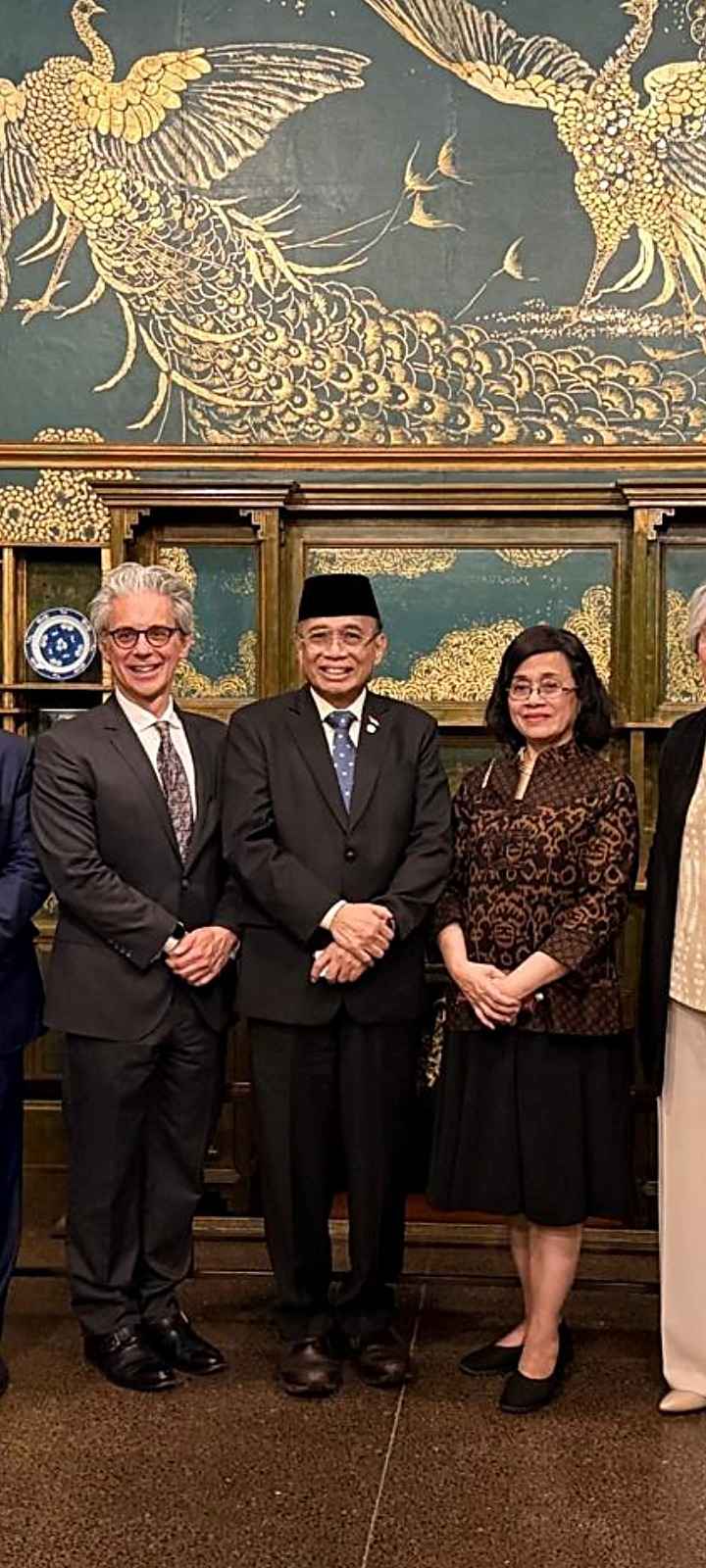
Enviro News Asia, Washington D.C. — A concrete step forward in Indonesia-United States cultural cooperation, formalized in 2023, has taken shape with a delegation from the Smithsonian Institution’s National Museum of Asian Art in Washington D.C. visiting Puro Mangkunegaran in Surakarta on June 19, 2026.
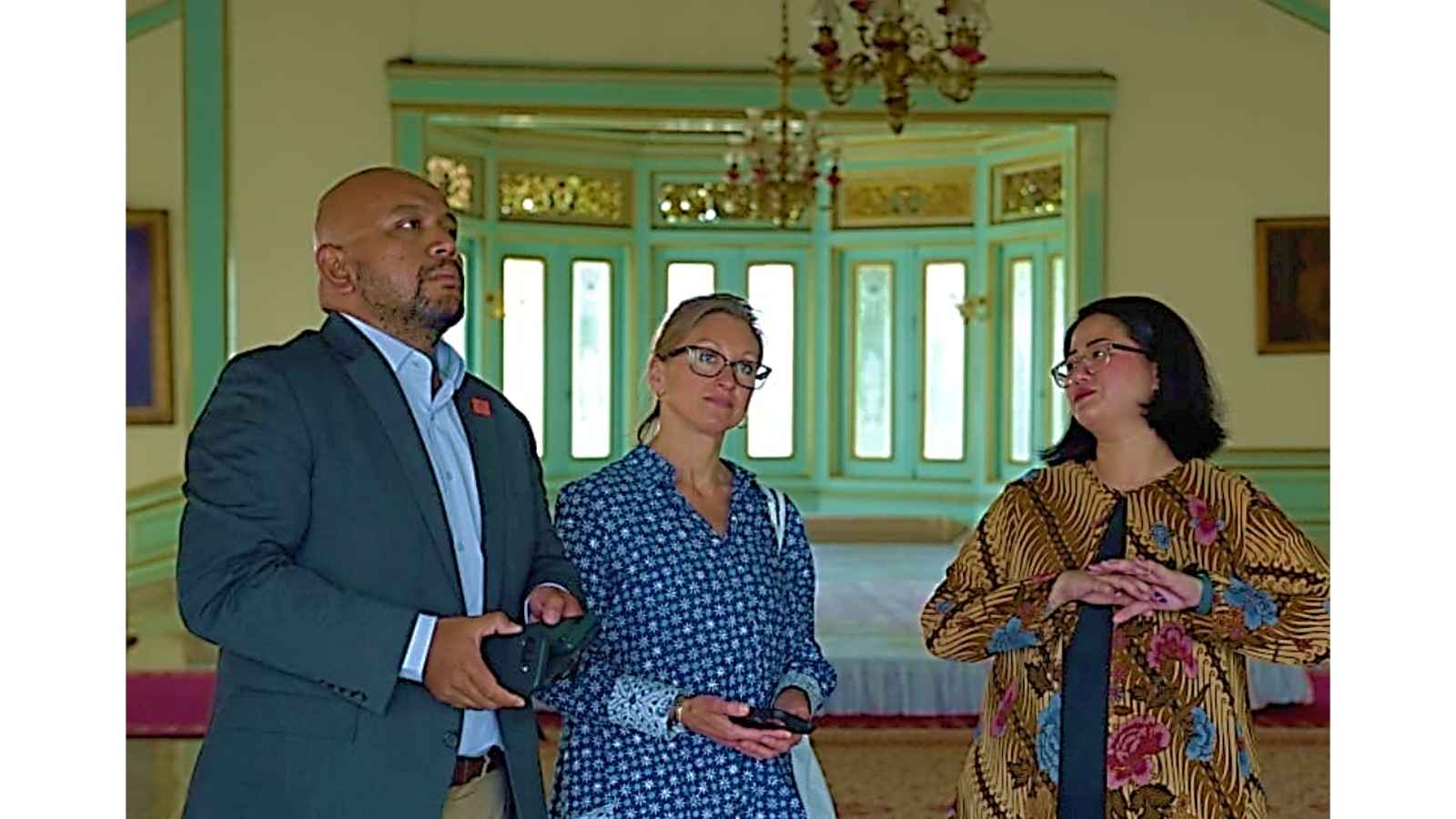
The delegation, led by museum curator Dr. Emma Stein alongside audience development strategist Erin Bryan, international partnerships specialist Hutomo Wicaksono, and digital media expert Jennifer Bosworth, was received directly by Gusti Sura and senior officials of Puro Mangkunegaran.
The Smithsonian National Museum of Asian Art is home to a significant Indonesian collection spanning Hindu-Buddhist sculptures and reliefs, traditional textiles, and ethnographic artifacts from across the archipelago, making it one of the primary references for Southeast Asian art and history studies in the United States.
During the visit, both parties discussed strategic plans for exhibiting the Puro Mangkunegaran collection in Washington D.C., with a primary focus on its Hindu-Buddhist era holdings, particularly Majapahit Kingdom artifacts of high authenticity and extraordinary historical value.
Beyond the exhibition, collaboration opportunities also extended to the performing arts. Dr. Stein noted that Mangkunegaran performing arts could potentially feature in the Smithsonian’s regular Friday performance program in Washington D.C., opening broader cultural diplomacy through live performance on an international stage.
Additional areas of cooperation being explored include technical support for the inventory, digitalization, and management of Puro Mangkunegaran’s physical collections and visual assets, an important step toward meeting world-class museum management standards.
The Smithsonian delegation was also treated to a performance of traditional Mangkunegaran court dance, which left a deep impression of the richness of Javanese culture. Indonesian Ambassador to the United States Indroyono Soesilo described the visit as an important element of cultural diplomacy and people-to-people contact, further strengthening cross-sectoral ties between the two countries. (*)