Enviro News Asia, Jakarta — Indonesia’s Minister of Energy and Mineral Resources (ESDM), Bahlil Lahadalia, has called on oil and gas Cooperation Contract Contractors (KKKS), both domestic and international, to participate in the carbon storage industry (Carbon Capture and Storage/CCS).
Indonesia holds the largest carbon capture storage potential in the Asia-Pacific region, with an estimated capacity of 572.77 gigatons in saline aquifers and 4.85 gigatons in depleted reservoirs.
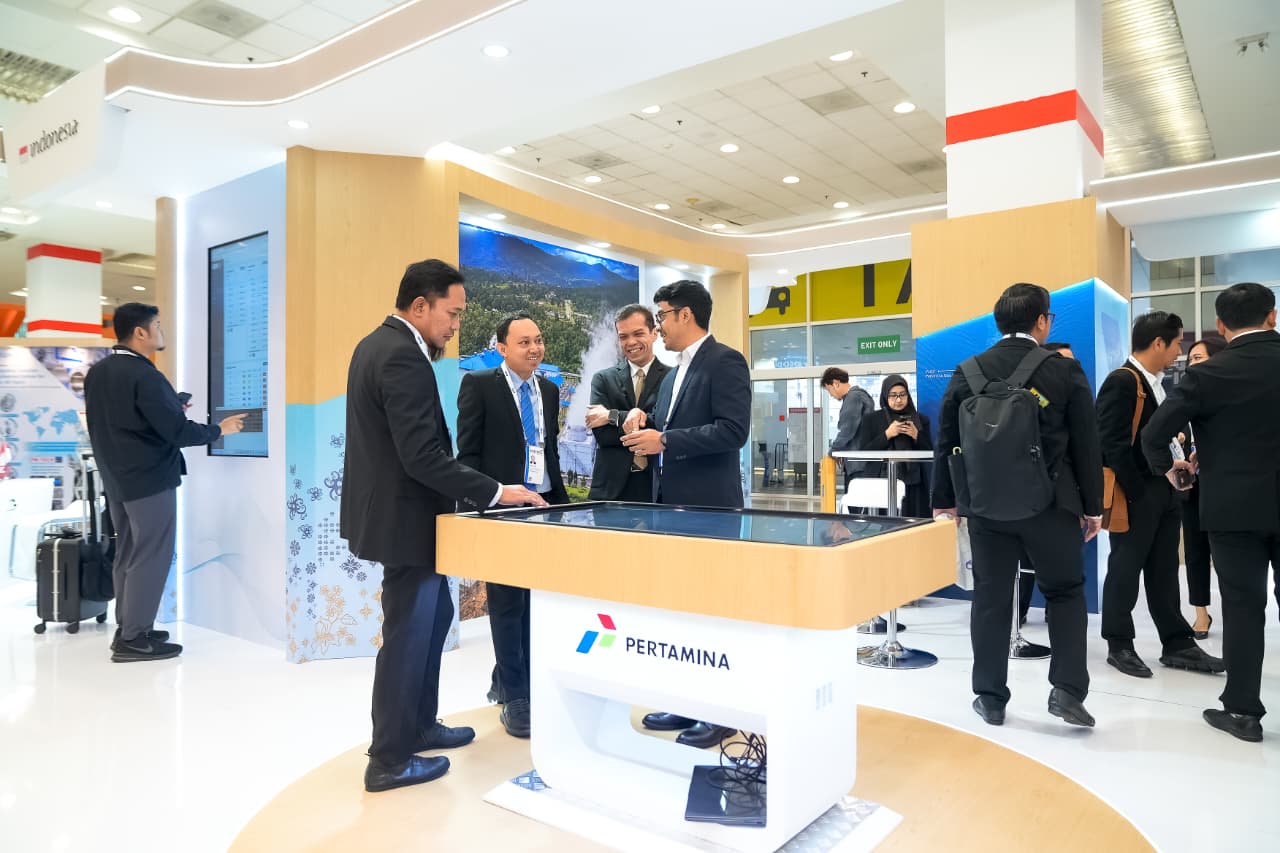
“Today, the world is always thinking about building industrialization with a green energy and green industry approach. One of the ways to achieve this is through carbon capture, capturing CO₂,” Bahlil stated at the 49th Indonesian Petroleum Association (IPA Convex) Convention and Exhibition 2025 held at ICE BSD, Tangerang, on Wednesday (May 21).
In his official statement, Bahlil reaffirmed the government’s commitment to facilitating investors by creating a more attractive and conducive investment climate for the development of future strategic industries. As a concrete step, supporting regulations in the form of Government Regulations (PP) and Ministerial Regulations from ESDM (Permen) have been finalized.
“The regulations are ready, and I’m offering this opportunity to all of you. Please join— the sooner, the better. We’re offering some incentives as sweeteners. But if you wait until it’s booming, the incentives won’t be as good,” Bahlil emphasized.
From 2021 to 2024, the government has issued 30 data utilization permits to 12 contractors to support the implementation of Carbon Capture and Storage (CCS) and Carbon Capture, Utilization and Storage (CCUS) studies in various regions across Indonesia.
These studies cover 19 strategic locations, including the Arun Field, Corridor, Sakakemang, Betung, Ramba, Asri Basin, ONWJ, Jatibarang, Gundih, Sukowati, Abadi, CSB, Gemah, South Natuna Sea Block B, East Kalimantan, Refinery Unit V Balikpapan, Blue Ammonia, Donggi Matindok, and the Tangguh Field in Bintuni, Papua.
For context, CCS is a technology used to capture carbon dioxide (CO₂) emissions from industrial sources, which is then transported and stored in long-term storage sites, such as underground reservoirs. Meanwhile, CCUS is an extension of CCS, which not only stores CO₂ but also utilizes it as a resource. *