

Enviro News Asia, Cebu — Amid rising energy demand and growing global climate challenges, Southeast Asian countries are increasingly turning to clean energy as the future of the region. Abundant tropical sunlight, vast river systems, and coastal wind potential are emerging as strategic assets capable of supporting economic growth while ensuring environmental sustainability.
For Indonesia and ASEAN member states, the transition toward renewable energy is no longer viewed as a distant aspiration, but as a strategic pathway to strengthen regional energy security and deliver more inclusive prosperity.
President Prabowo Subianto stated that the subregion possesses enormous potential to develop renewable energy resources, including hydropower, solar energy, wind power, and fertile land that remains underutilized. According to him, these resources represent a major foundation for accelerating the region’s energy transition.
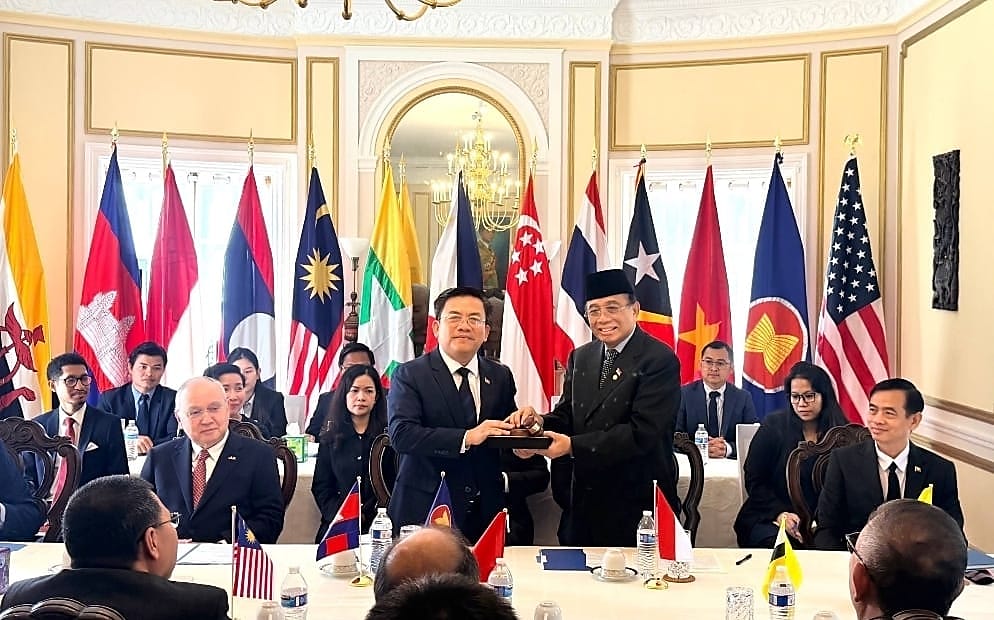
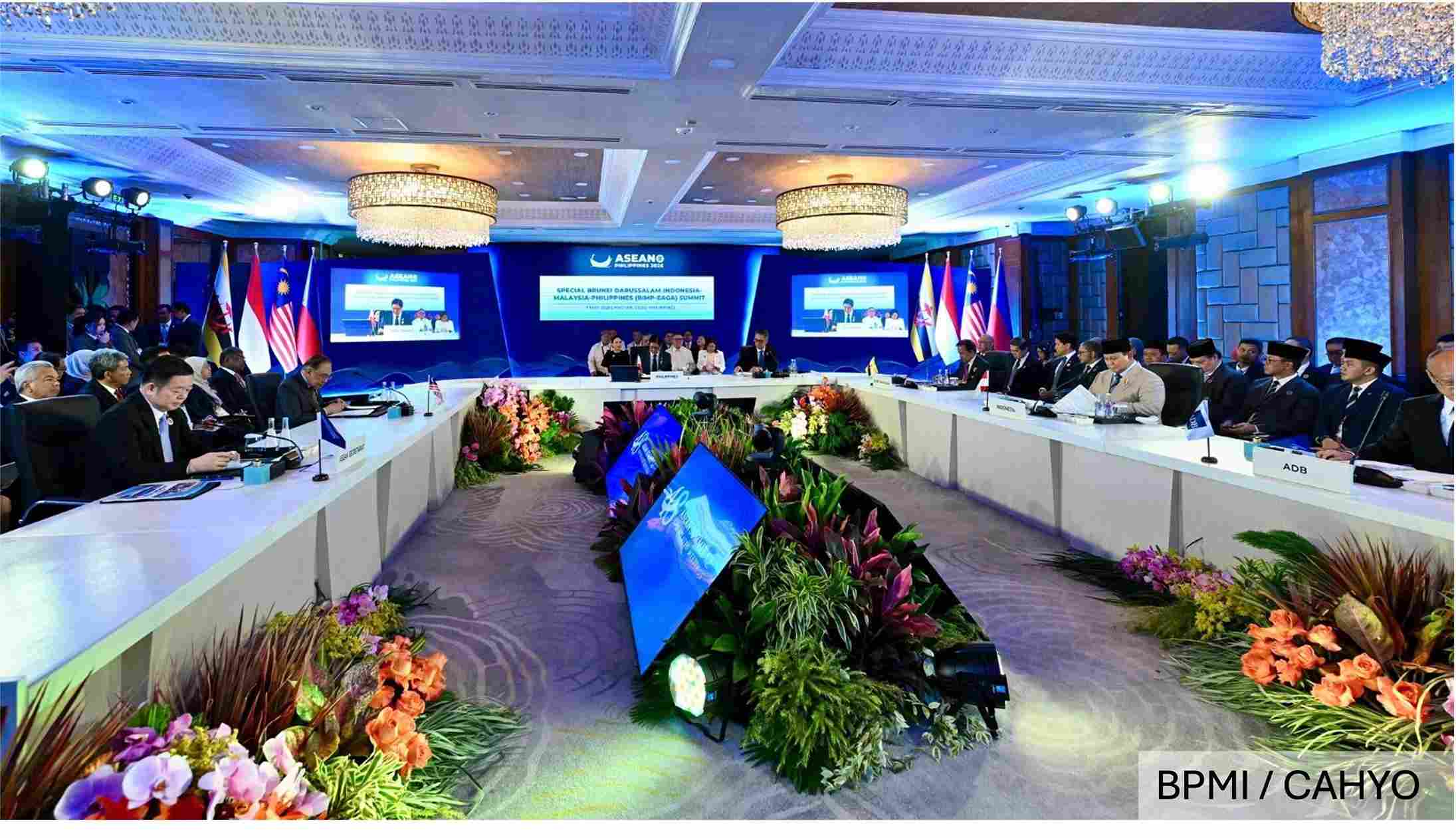
“The question is whether we are prepared to act upon that potential, not only to meet our subregional needs, but also to contribute to ASEAN’s broader energy transition,” President Prabowo said during his remarks at the BIMP-EAGA Summit in Cebu on Thursday (7/5) local time.
President Prabowo encouraged member countries of the Brunei Darussalam-Indonesia-Malaysia-Philippines East ASEAN Growth Area (BIMP-EAGA) to take concrete steps in accelerating clean energy development across the ASEAN region. He highlighted several strategic initiatives, including hydropower development in Borneo (Kalimantan), expansion of solar energy projects in Palawan, and the utilization of wind energy in coastal areas.
The Indonesian president also outlined Indonesia’s ongoing efforts to expand solar energy infrastructure. “Our energy transition is moving at full speed. We are currently building 100 gigawatts of solar power plants. Together, we must strengthen our energy infrastructure. BIMP-EAGA has tremendous potential,” he stated.
Following the summit, Indonesia’s Minister of Energy and Mineral Resources, Bahlil Lahadalia, explained that the conference officially endorsed the BIMP-EAGA Vision (BEV) 2035 document, a strategic framework adopted during the 16th Summit in May 2025. The vision aims to create a more resilient, inclusive, sustainable, and economically competitive subregion encompassing Brunei Darussalam, Indonesia, Malaysia, and the Philippines.
According to Bahlil, the vision focuses on strengthening connectivity, tourism transformation, and economic development through several sectoral clusters, including the Power and Energy Infrastructure Cluster (PEIC). Indonesia chaired the PEIC from 2022 to 2025, with Malaysia set to assume leadership for the 2026–2029 period.
“The outcomes of this cluster include cross-border electricity interconnection projects, renewable energy initiatives, rural electrification programs, and energy efficiency and conservation measures. These programs will strengthen subregional collaboration and ensure that communities in remote areas gain access to affordable energy to improve their welfare,” Bahlil said.
He added that the Ministry of Energy and Mineral Resources has continued implementing President Prabowo’s directives on energy transition through various initiatives, including increasing the share of renewable energy in the national energy mix, exploring alternative energy sources such as hydrogen, nuclear energy, and ammonia, accelerating electrification through electric vehicles and induction stoves, improving energy efficiency, imposing a moratorium on new coal-fired power plants, and developing carbon capture and storage (CCS/CCUS) technologies.
“We are also intensifying the development of solar power plants toward achieving 100 GW capacity to reduce dependence on fossil fuels. This mission will require strong collaboration from all stakeholders,” Bahlil concluded. (*)