Enviro News Asia, Virginia — The United States, as a secular country, maintains neutrality in religious affairs and does not recognize any official state religion. Under the First Amendment to the U.S. Constitution, all citizens are guaranteed the freedom to practice their religion or belief, ensuring equal treatment before the law. The government is prohibited from discriminating based on religion or imposing any religious doctrine, allowing individuals to freely conduct their religious rituals and worship in churches, mosques, temples, or synagogues.
Religious freedom is particularly visible during the holy month of Ramadan in the United States, when Muslim communities observe a full month of fasting and worship. The Muslim population in the country was estimated to reach around seven million people in 2020 and continues to grow, driven by immigration and relatively high birth rates.
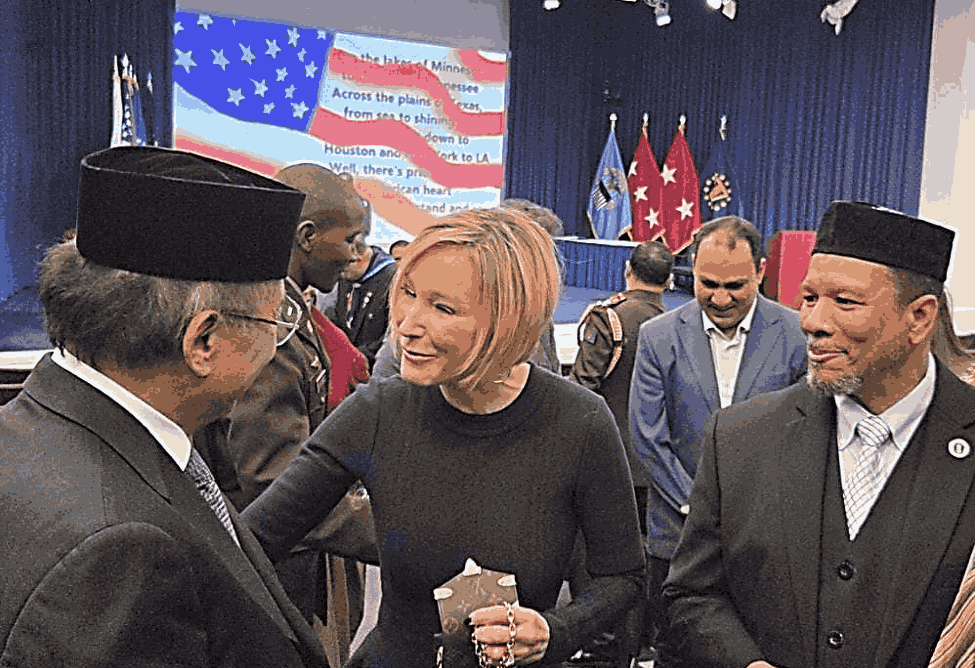
During Ramadan 2026, various Muslim communities across the country organized iftar gatherings, including events hosted by mosques and embassies of Muslim-majority countries in Washington, D.C.. One notable event was an iftar gathering organized by the Muslim community within the United States Armed Forces, which includes personnel from the Army, Navy, Air Force, Marine Corps, Coast Guard, and Space Force in the Washington, D.C. area.
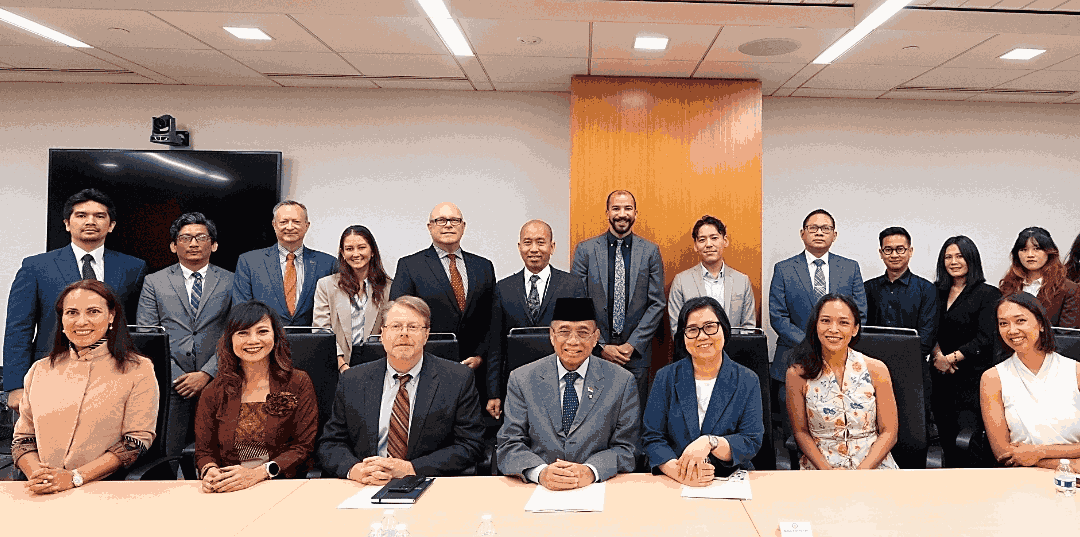
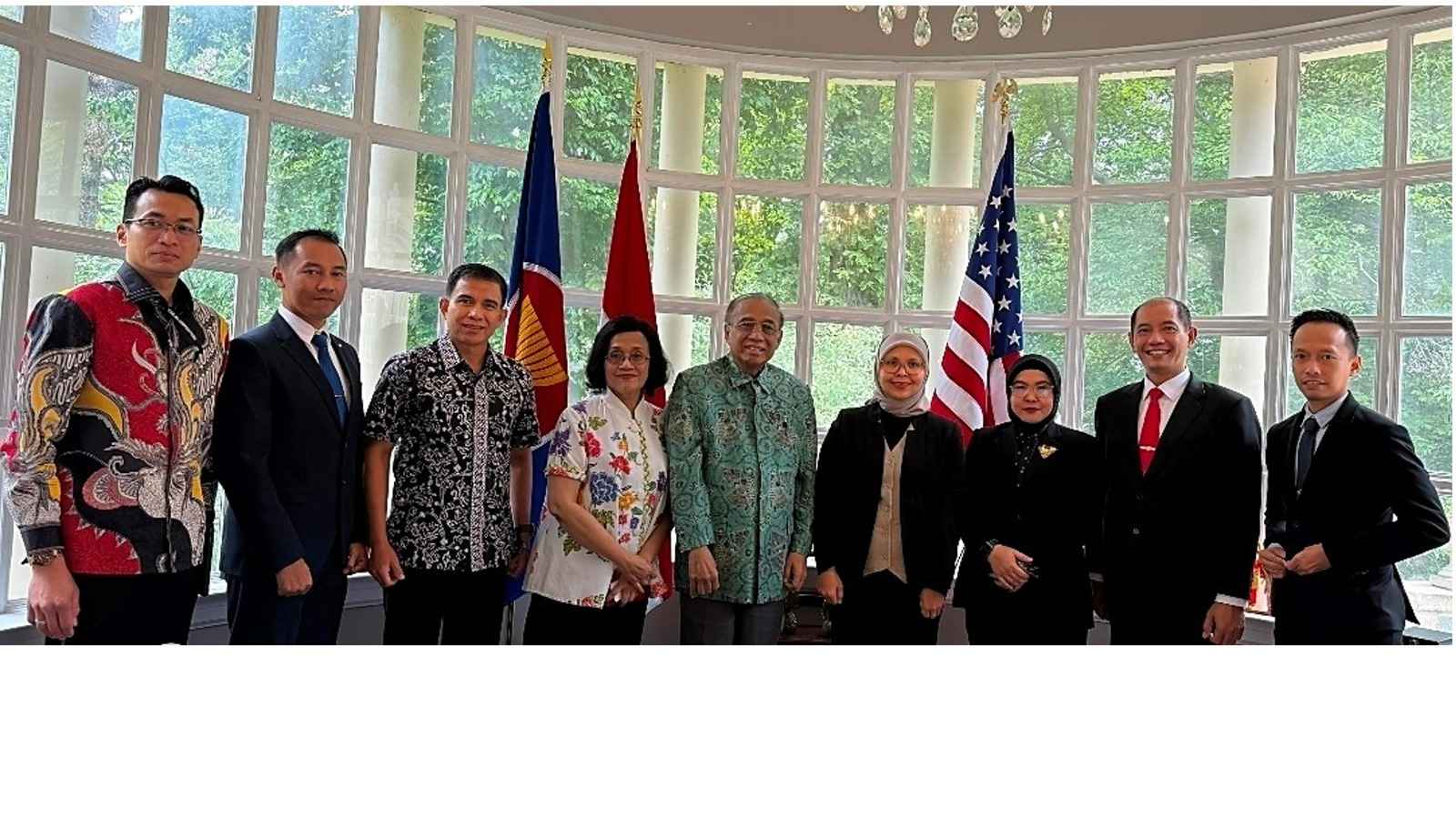
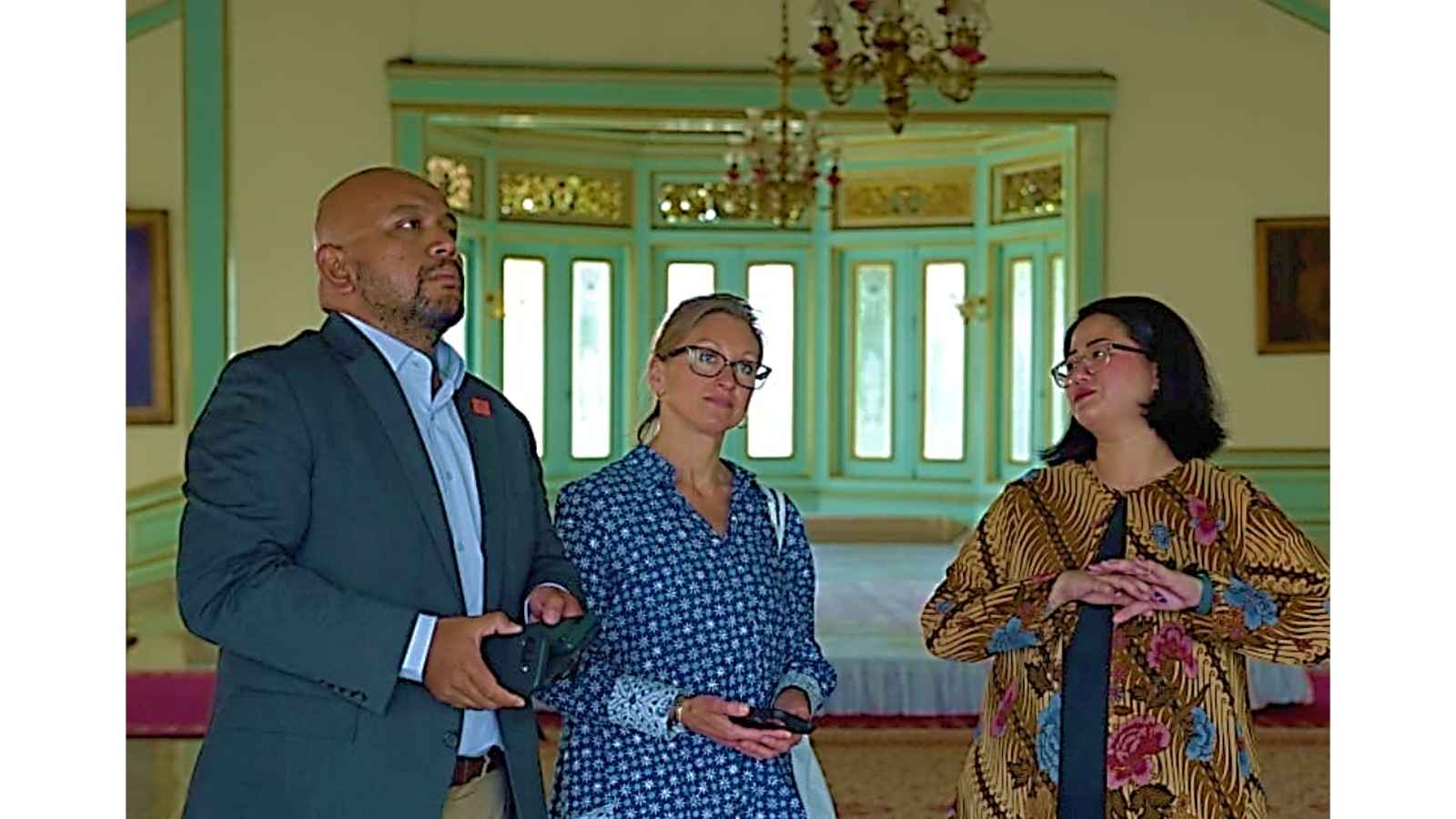
The event took place at the headquarters of the Defense Logistics Agency in Fort Belvoir, Virginia, on 13 March 2026. The Indonesian Ambassador to the United States, Indroyono Soesilo, attended as a guest of honor, accompanied by the Indonesian Defense Attaché in Washington, D.C., Colonel Tri Arto Subagio.
The event began with an opening prayer delivered by U.S. Army Chaplain Colonel Thomas Brooks, followed by the recitation of Surah Al-Baqarah verses 2–183 from the Qur’an by U.S. Army Second Lieutenant Abdul-Gafar Akorede. Remarks were also delivered by Imam Dr. Talib Sharif.
A Ramadan message from Donald Trump, President of the United States, was conveyed by Senior Advisor of the White House Faith Office, Paula White-Cain. In the message, President Trump described Ramadan as a sacred time for spiritual renewal, reflection, and gratitude for God’s blessings. He highlighted how the observance of prayer and fasting during Ramadan strengthens family and community bonds while reinforcing universal values such as compassion, generosity, mercy, and humility. He concluded his message with prayers for happiness in households, unity and peace across the world, and blessings in the year ahead.
The President also noted that the White House Faith Office was established to strengthen engagement between the White House and religious leaders and community organizations throughout the country.
The keynote speaker at the event was Brigadier General Sahriful Khan of the United States Air Force, who currently serves as one of the directors at the United States Space Force headquarters at the The Pentagon. Brig. Gen. Khan is the second Muslim general officer in the U.S. Armed Forces and the first from the Air Force. The first Muslim general officer in the U.S. military is Brigadier General Cindy Saladin-Muhammad, Deputy Commanding General of the 807th Medical Command of the U.S. Army, who was promoted to brigadier general in July 2024.
In his remarks, Brig. Gen. Khan emphasized the connection between military service and Islamic values, highlighting that characteristics commonly associated with military duty—such as sacrifice, discipline, loyalty, camaraderie, and mutual assistance—align closely with the teachings of Islam.
Approximately 20,000 members of the U.S. Armed Forces are Muslims. The iftar gathering with Muslim service members has been held annually for the past 27 years. During these occasions, senior commanders often attend to acknowledge the contributions of Muslim personnel and reaffirm that religious diversity is a source of strength within the U.S. military. (*)