Enviro News Asia, Jakarta — The Government of Indonesia has reaffirmed its strategic commitment to accelerating global carbon market integration by developing an inclusive, transparent, and high-integrity carbon trading system. Through the Ministry of Environment (KLH), Indonesia is strengthening its National Registry System for Climate Change Control (SRN PPI) as the backbone for implementing the Indonesian Emission Reduction Certificate (SPEI), while expanding international cooperation with leading global carbon certification bodies.
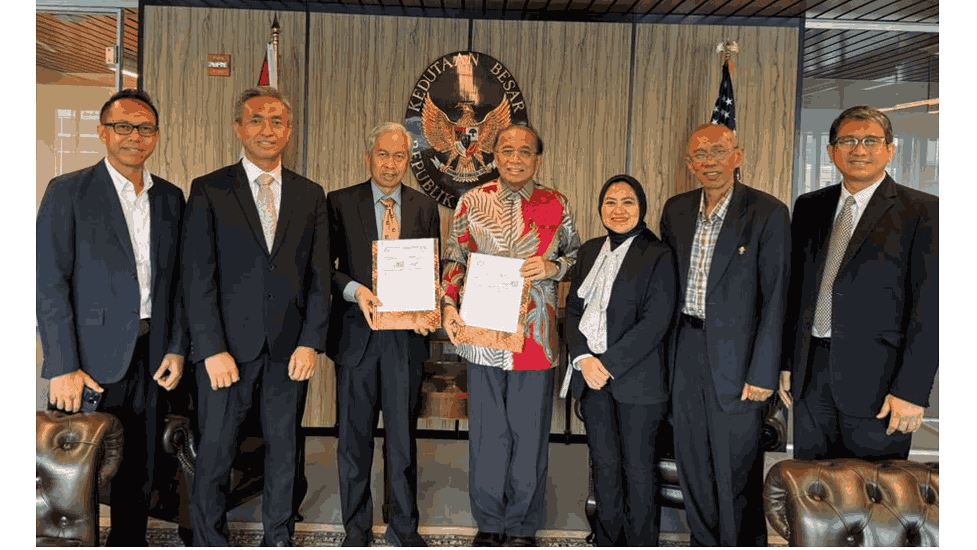
Four Mutual Recognition Agreements (MRAs) have been signed with Verra (VCS Program), Global Carbon Council, Plan Vivo, and Gold Standard, along with a Letter of Intent (LoI) with Puro Earth. A key milestone is the launch of a national guideline for carbon project developers seeking certification through the Gold Standard for the Global Goals (GS4GG) framework.
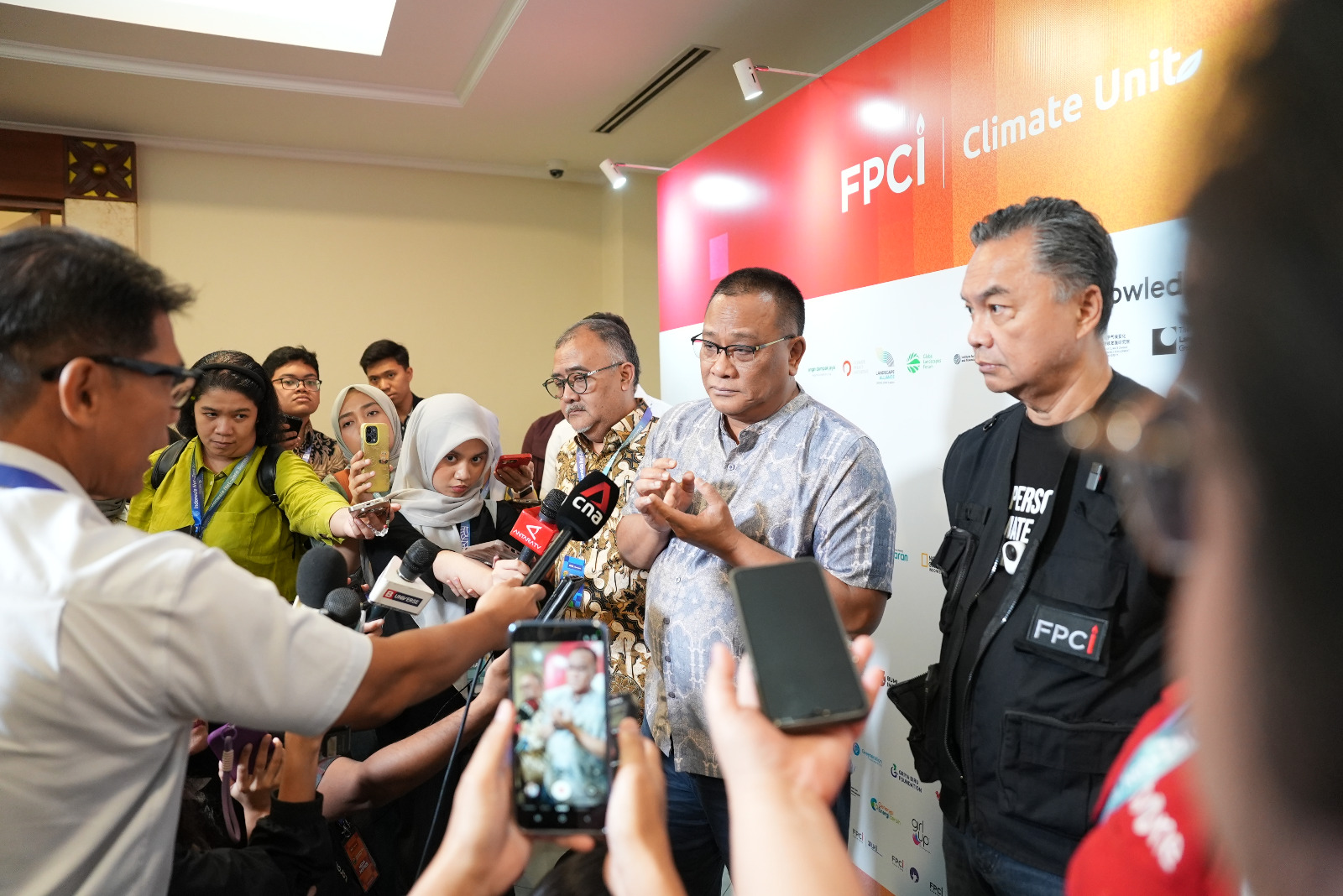
“Competitive advantage can only be achieved through building an inclusive carbon market with transparent and robust infrastructure that delivers high-integrity carbon credits,” said Minister of Environment Hanif Faisol Nuroiq in Jakarta on Tuesday (Oct. 7, 2025). “Strengthening SRN PPI and adopting tools such as the Gold Standard guidelines are crucial steps toward this goal,” he added.
Minister Hanif emphasized that KLH holds a broad mandate to operationalize the Carbon Economic Value (NEK) mechanism—not only through nature-based approaches such as FOLU and the REDD+ Result-Based Payment (RBP) scheme, but also by expanding into technology-based approaches to accelerate climate financing and emission reduction.
The latest version of SRN PPI has become a strategic national instrument supporting NEK implementation. Ary Sudijanto, Deputy for Climate Change Control and NEK Governance, described this update as “a vital foundation for building global trust in Indonesia’s climate action.”
“A more resilient SRN PPI ensures that every action is recorded, verified, and traceable. This reflects Indonesia’s firm commitment to transparent, accountable, and high-integrity climate governance,” Ary stated.
The upgraded SRN now includes data visualization features for actions, emissions, resources, and carbon units; a more streamlined and measurable verification process; and traceability mechanisms linking project outcomes to the Nationally Determined Contribution (NDC). The platform also serves as the national reporting and management hub for activities under Articles 5 and 6 of the Paris Agreement, covering emissions trading, offsetting, and result-based payments.
SRN further facilitates the transition of Clean Development Mechanism (CDM) projects from the Kyoto Protocol to Article 6 of the Paris Agreement. To date, 14 CDM participants have expressed interest in transitioning, with four projects already registered under SRN, including the Asahan 1 Hydroelectric Power Plant (2×90 MW), Pamona 2 Hydroelectric Power Plant, Wampu Hydroelectric Power Project, and Semangka Hydroelectric Power Project.
Following the MRA with Gold Standard, KLH and the organization launched the National Carbon Project Guideline, which details project eligibility governance, certification, verification, issuance of carbon units, and fee structures—covering 46 methodologies across three key sectors under GS4GG. Project developers can apply for the pilot program until October 30, 2025.
Another strategic initiative involves establishing data connectivity between SRN PPI and the JCM Registry, under the bilateral cooperation of Article 6.2 of the Paris Agreement between Indonesia and Japan. This linkage enhances the MRA between SPEI and the Joint Crediting Mechanism (JCM), which has already received proposals from 62 project proponents.
KLH is also preparing guidelines for project developers under Verra, Global Carbon Council, and Plan Vivo schemes as part of Indonesia’s broader expansion of international carbon certification partnerships. The government underscores that carbon integrity remains the core principle of every market mechanism to prevent malpractice and strengthen Indonesia’s global credibility.
All these efforts are supported by a fully integrated Measurement, Reporting, and Verification (MRV) system embedded in SRN operations—ensuring that every climate action in Indonesia remains transparent, consistent, and accountable. (*)