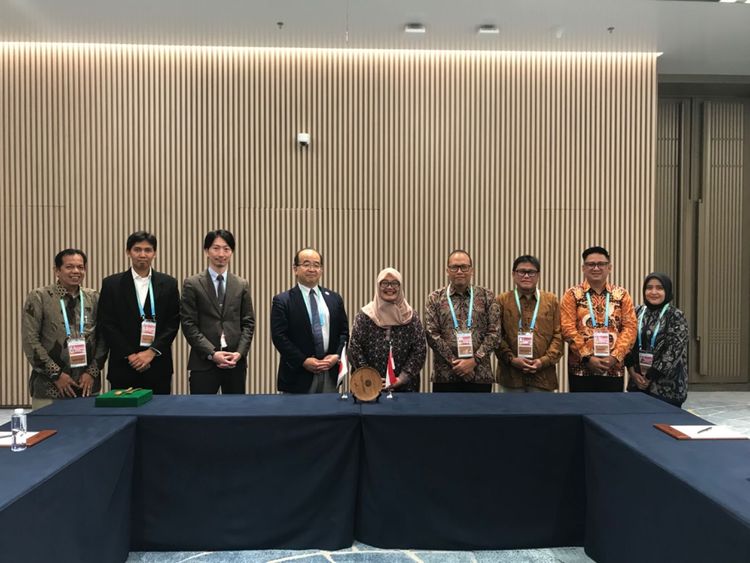
Enviro News Asia, São Paulo — The Indonesian Ministry of Forestry (MoF) and the Integrity Council for the Voluntary Carbon Market (ICVCM) have signed a Memorandum of Understanding (MoU) to strengthen cooperation in developing a high-integrity voluntary carbon market ecosystem in Indonesia.
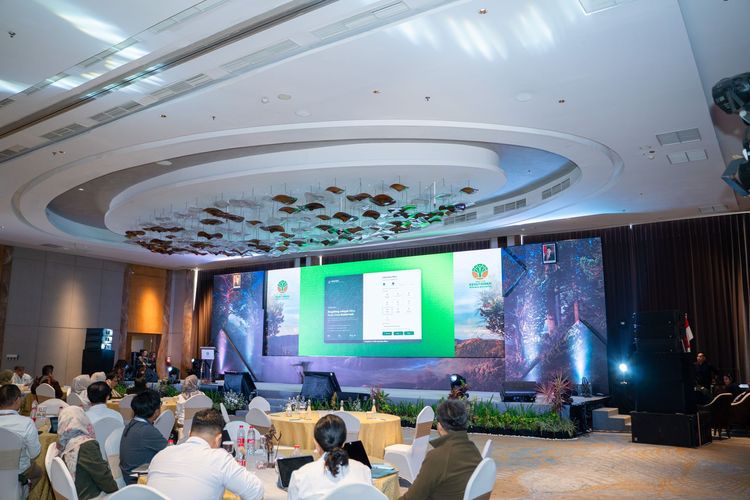
The signing took place during the High-Level Breakfast Roundtable at the Sustainable Business COP30 (SBCOP) in São Paulo, Brazil, attended by global carbon market leaders, financial stakeholders, and Indonesian government representatives. The event discussed Indonesia’s strategic efforts to position itself as a leading hub for credible and transparent carbon markets.
Minister of Forestry Raja Juli Antoni emphasized that the agreement marks more than a partnership — it represents a strategic step toward Indonesia’s leadership in building a trustworthy and sovereign carbon market ecosystem. “This collaboration reflects our determination to ensure that Indonesia’s carbon market is built on trust, integrity, and national sovereignty,” he said.
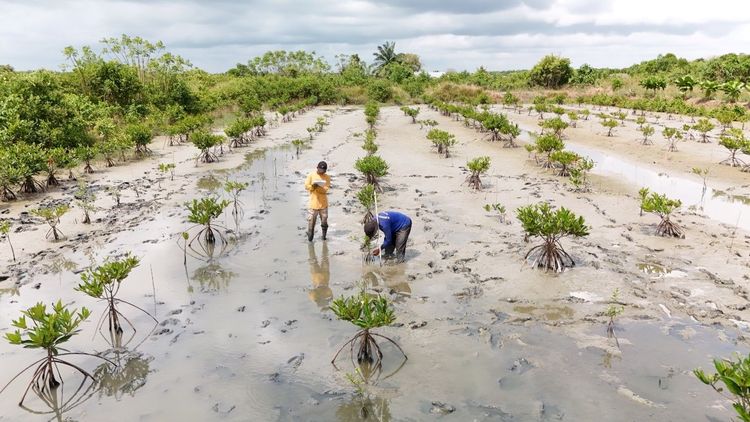
He noted that as Indonesia prepares for the upcoming COP30 UNFCCC in Belém, Brazil, the nation will showcase its vast tropical rainforests as a global center for high-integrity carbon markets. “Indonesia’s tropical rainforests not only serve as the lungs of the world but also as the foundation for a credible and equitable global carbon economy. By aligning with international integrity standards, Indonesia is creating a science-based, transparent ecosystem that benefits local and Indigenous communities,” he added.
The partnership between the Ministry of Forestry and ICVCM underscores Indonesia’s commitment to aligning its carbon market with the highest global standards for environmental integrity and transparency. Through this collaboration, ICVCM will assist in capacity building, technical support, and knowledge exchange related to integrity criteria, safeguards, and Measurement, Reporting, and Verification (MRV) systems in the forestry and land-use sectors.
Under the MoU, both parties agreed to:
- Enhance the capacity of civil servants, project developers, and stakeholders to implement principles of high-integrity carbon markets;
- Raise public awareness of opportunities and safeguards within the voluntary carbon market; and
- Jointly develop collaborative programs and forums to strengthen Indonesia’s readiness in establishing a credible carbon market framework.
Lorna Ritchie, ICVCM’s Director of Public Affairs, expressed her enthusiasm for the collaboration, stating that aligning Indonesia’s carbon market with the Core Carbon Principles (CCPs) is essential to ensure measurable and verifiable emission reductions. “It is vital that carbon markets remain globally connected but locally relevant. Working with Indonesia’s Ministry of Forestry allows us to ensure consistency with international integrity thresholds while building a robust local foundation,” she said.
As Indonesia’s national authority overseeing forestry and land use (FOLU), the Ministry views this partnership as a key enabler for accelerating access to climate finance while safeguarding biodiversity and supporting community livelihoods. The MoU reinforces Indonesia’s broader mission at COP30 UNFCCC to position its rainforest ecosystem as a cornerstone of the global carbon market architecture.
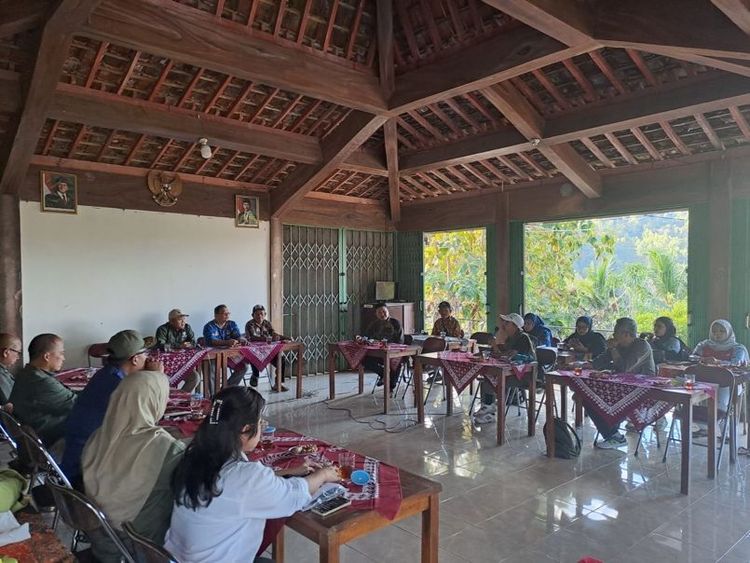
The cooperation will be implemented through joint workshops and capacity-building programs coordinated by the Ministry’s Human Resource Planning and Development Center for Forestry and ICVCM’s Global Operations and Public Affairs Team. Both parties pledged to uphold transparency and mutual respect in all activities under this partnership.
The Integrity Council for the Voluntary Carbon Market (ICVCM) is an independent governance body that establishes and promotes the Core Carbon Principles (CCPs) — a global threshold standard ensuring that carbon credits are high-quality, additional, verifiable, and contribute to sustainable development. (*)