Enviro News Asia, Yogyakarta — Indonesia’s Ministry of Forestry has launched a post-access evaluation of its Social Forestry Program to ensure that community forest management rights continue to deliver sustainable economic, social, and environmental benefits while complying with regulations and sustainable forest management principles.
The evaluation, conducted by the Ministry’s Inspectorate General through Inspectorate II, reviews the effectiveness of Social Forestry implementation after communities receive official forest management permits. The initiative also assesses the adequacy of guidance, supervision, monitoring, and reporting by relevant government agencies, identifies factors affecting program performance, and develops recommendations to improve governance.
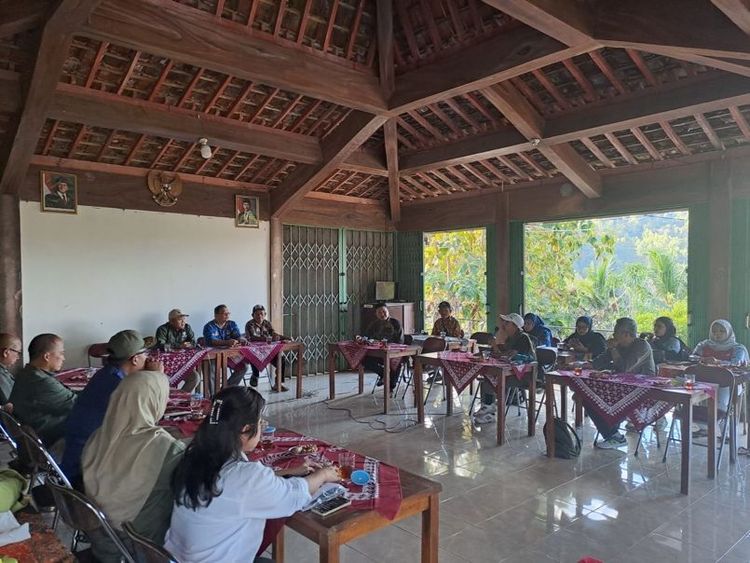
As part of the supervision process, Inspector II Nur Sumedi visited partner technical implementation units in the Special Region of Yogyakarta on July 23, 2026, including the Yogyakarta Social Forestry Center, the Serayu Opak Progo Watershed Management Agency, and the Regional Forest Seed Center III. The visit began with a ceremonial tree-planting activity, symbolizing the Ministry’s commitment to forest conservation and environmental sustainability.
During the supervision, Nur Sumedi emphasized that the role of the Government Internal Supervisory Apparatus (APIP) has evolved beyond providing assurance to include advisory services and preventive oversight through strengthened risk management. He said this approach is intended to add value to organizational performance by ensuring that supervision promotes both regulatory compliance and institutional improvement.
The Ministry also outlined eight priority oversight policies, including collaborative supervision of ministerial priority programs, governance of the Electronic-Based Government System (SPBE), risk-based preventive oversight, mandatory supervision, Integrity Zone development, monitoring of strategic programs, strengthening the Government Internal Control System (SPIP), and improving the integrated handling of public complaints.
The Ministry identified procurement, licensing, and financial management as areas most vulnerable to irregularities and urged all work units to reinforce risk identification, improve compliance with regulations, optimize internal control systems, and promptly follow up on audit findings.
Through the evaluation and supervisory activities, the Ministry reaffirmed its commitment to ensuring that the Social Forestry Program remains effective, accountable, and sustainable, while supporting good forest governance and maximizing the long-term benefits of community forest access. (*)