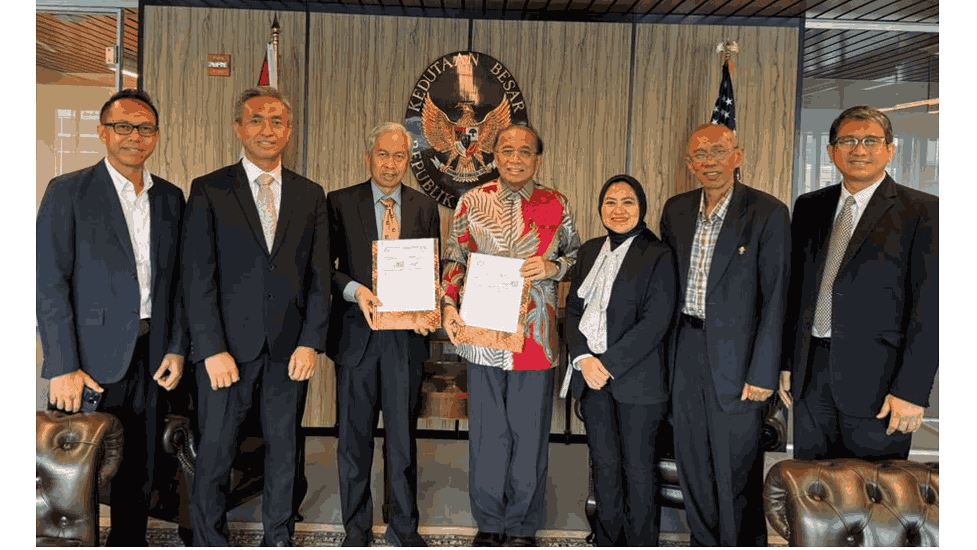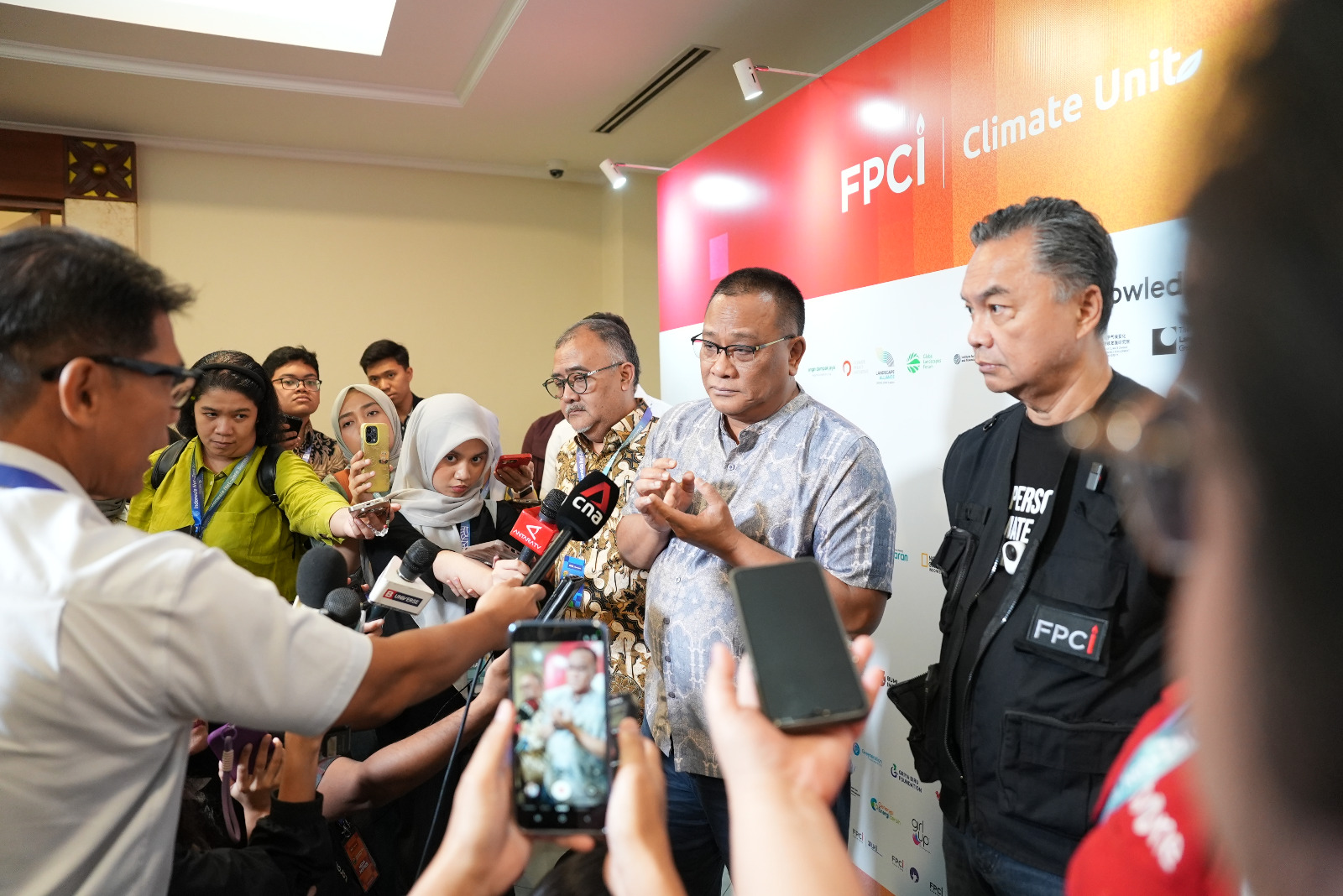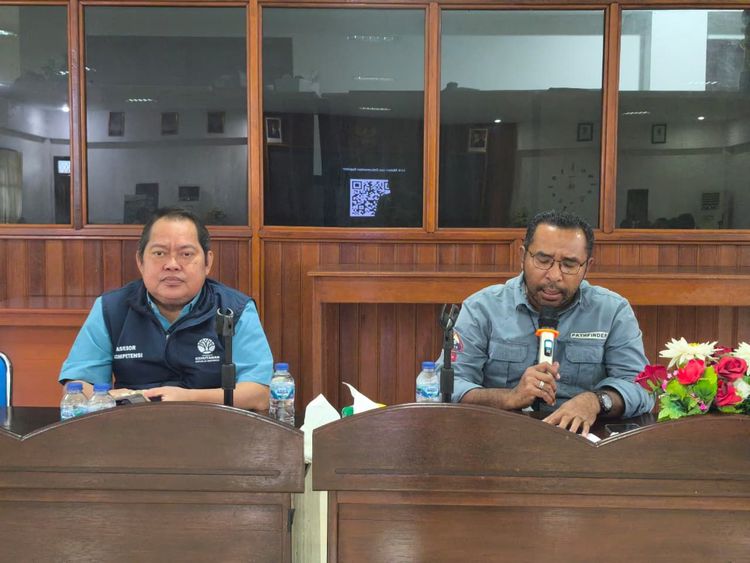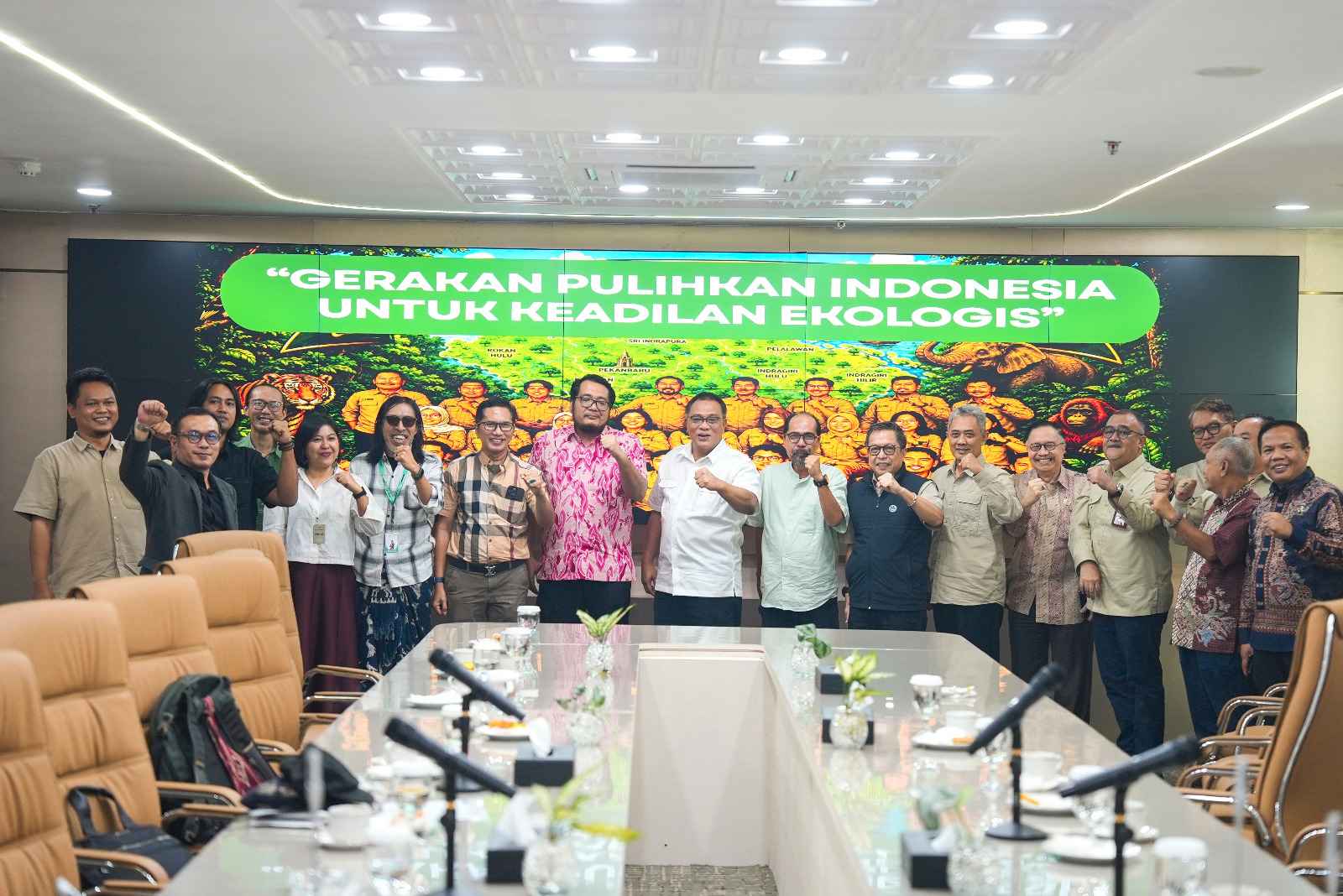
Enviro News Asia, Jakarta – Indonesia reinforced its commitment to international climate cooperation by advancing the implementation of the Mutual Recognition Agreement (MRA) between the Indonesian Emission Reduction Certificate (SPEI) and Japan’s Joint Crediting Mechanism (JCM). The initiative is designed to support global efforts in reducing greenhouse gas emissions and to operationalize carbon trading under Article 6 of the Paris Agreement.
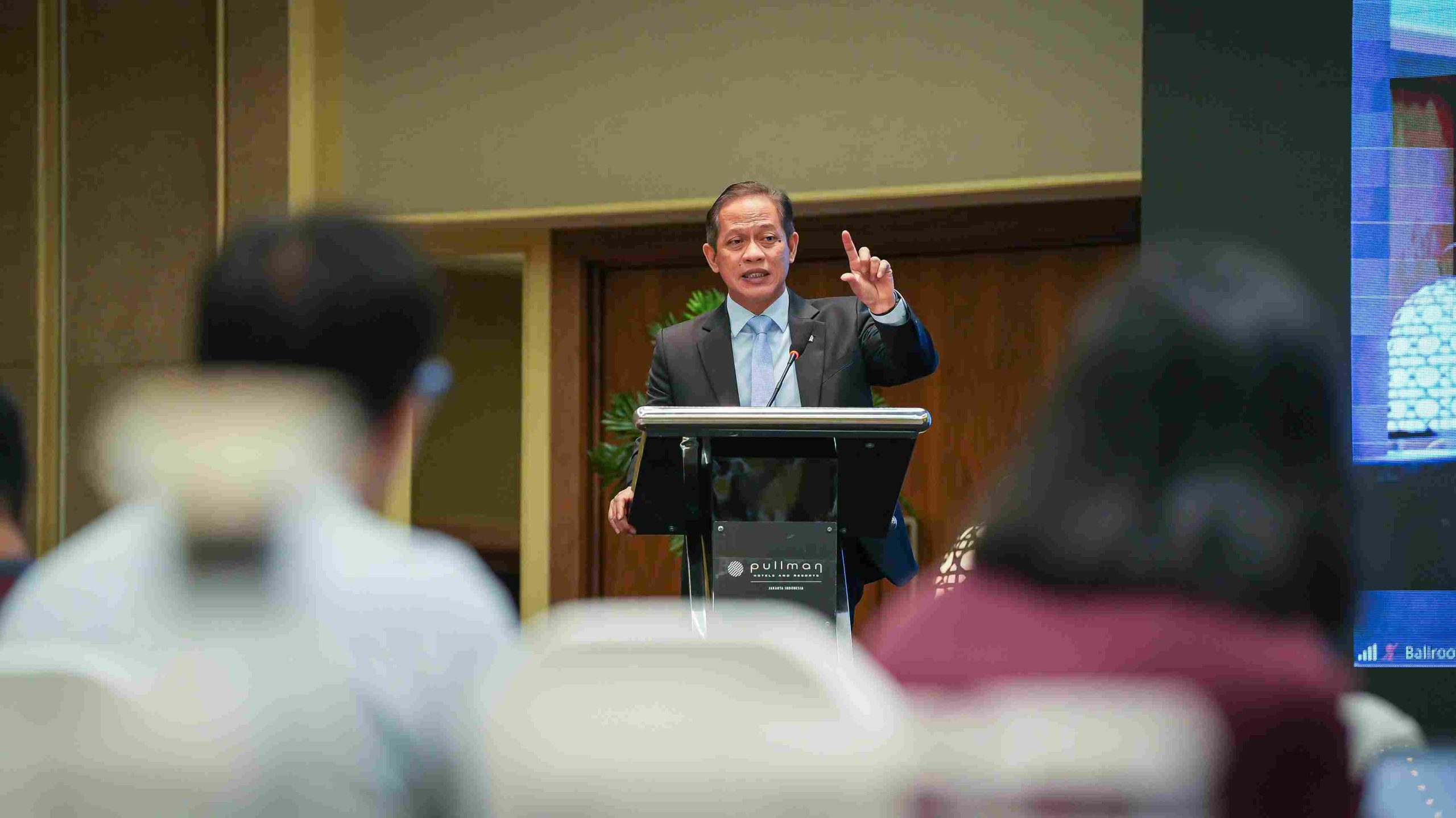
The Ministry of Environment and the Environmental Control Agency (KLH/BPLH) hosted a follow-up forum in Jakarta on 18 September 2025. More than 60 JCM project proponents attended the event, showcasing over a decade of concrete contributions to emission reduction in Indonesia.
Minister of Environment and Head of BPLH, Hanif Faisol Nurrofiq, emphasized Indonesia’s determination to generate high-integrity carbon credits that are internationally recognized while safeguarding national sovereignty. He highlighted that the SPEI–JCM partnership represents a crucial step for Indonesia in positioning itself within the global carbon market.
Ary Sudijanto, Deputy for Climate Change Control and Carbon Economic Value Governance at KLH/BPLH, underlined the strategic role of the MRA in enhancing trust in accreditation results, expanding trade volume, and facilitating cross-border carbon cooperation. He stated that the MRA serves as an official mechanism for international carbon trading, as mandated by Ministerial Regulation No. 21/2022.
The SPEI–JCM collaboration builds on a bilateral agreement signed between Indonesia and Japan in October 2024, aligned with Presidential Regulation No. 98/2021 on Carbon Economic Value. The regulation provides the foundation for carbon trading, results-based payments, and carbon levies.
Beyond Japan, Indonesia has already forged cooperation with Norway through the Norwegian Article 6 Climate Action Fund (NACA) worth 12 million tons of CO₂eq for 2026–2035. The country is also exploring similar initiatives with the United Kingdom, Sweden, Denmark, Finland, and several global certification bodies, including Gold Standard, Verra, and the Global Carbon Council.
Carbon trading, according to the ministry, is not merely an environmental tool but also a driver of economic transition. Revenue generated from the market will be reinvested into low-carbon technologies, renewable energy innovation, and sustainable growth.
Indonesia expects that an expanded international carbon trading scheme will create greater opportunities for private sector involvement and accelerate the achievement of its Nationally Determined Contribution (NDC) targets.
“Together, we must build a high-integrity carbon market as Indonesia’s tangible contribution to protecting the planet,” Minister Hanif concluded. (*)