Enviro News Asia, Jakarta – The Ministry of Forestry of the Republic of Indonesia has commenced the preparation of a Concept Note and new funding proposal for Phase II of the Results-Based Payment (RBP) REDD+ program, to be submitted to the Green Climate Fund (GCF).
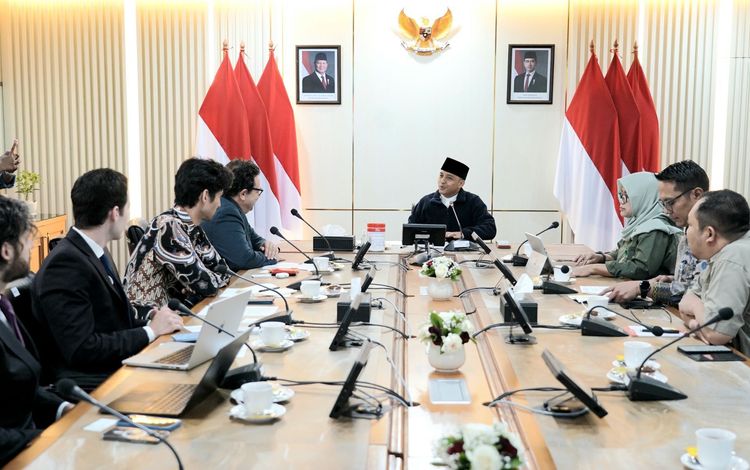
This process was marked by the Kick-Off Meeting held in Jakarta, Tuesday (12 August 2025).
The event was opened by Minister of Forestry Raja Juli Antoni and attended by officials from the Ministry of Forestry, representatives from the Ministry of Finance as the National Designated Authority for the GCF, the Environmental Fund Management Agency (BPDLH), representatives from Ministry of Environment, representatives from UNDP Indonesia and Asia Pacific, the private sector, academics, civil society organizations, and the media.
The Minister of Forestry stated that Phase II is an effort to enhance the quality and inclusiveness of the REDD+ program, following the success of Phase I, which was recognized by the GCF with a results-based payment of USD 103.8 million for reducing 20.25 million tons of CO₂e emissions.
“Phase II is not merely a repetition, but a quality improvement with an evidence-based, accountable approach, aligned with field conditions,” said Raja Juli Antoni.
He emphasized that this program is part of the national strategy to achieve the FOLU Net Sink 2030 target and requires cross-sector collaboration.
“The success of the program depends on joint work among the central government, regional governments, international partners, the private sector, and communities,” he said.
The Minister’s Expert Staff for Climate Change, Haruni Krisnawati, explained that the Kick-Off Meeting was followed by a two-day capacity building activity for the technical team.
Topics discussed included the latest GCF policies, evaluation of Phase I implementation, role distribution, emission reduction calculation methods, the MRV system, Environmental and Social Safeguards (ESS), the grievance redress mechanism (FGRM), and the integration of indigenous peoples and gender issues.
According to Haruni, the proposal preparation will be aligned with national policies on carbon economic value, the Enhanced Nationally Determined Contribution (ENDC) targets, and the National Medium-Term Development Plan (RPJMN).
The document is expected to meet GCF technical standards and provide direct benefits to communities.
The outcomes of this meeting will serve as the basis for drafting the Concept Note and Funding Proposal to be submitted to the GCF, with the aim of securing continued funding, expanding REDD+ implementation, strengthening sustainable forest governance, and supporting low-carbon development in Indonesia. (*)