Enviro News Asia, Jakarta — Indonesia is preparing a national standard for electronic waste management as the growing use of electronic and technology-based devices increases environmental risks associated with discarded equipment.
The Ministry of Environment/Environmental Control Agency (KLH/BPLH), through its Center for Environmental Instrument Standardization (PSILH), has initiated the development of technical standards covering the management of electronic waste, or e-waste.
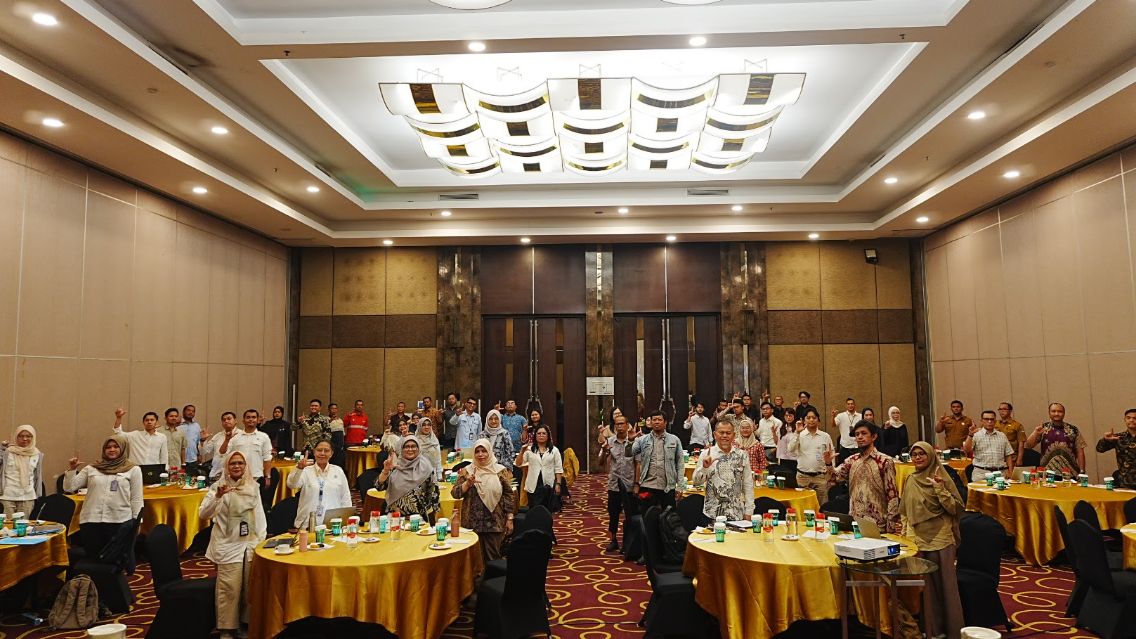
The initiative was discussed during the Standardization of Electronic Waste Management forum held in Bekasi, West Java, on September 8, 2026. The forum brought together representatives from ministries, local governments, electronic manufacturers, waste-processing industries, and civil society organizations.
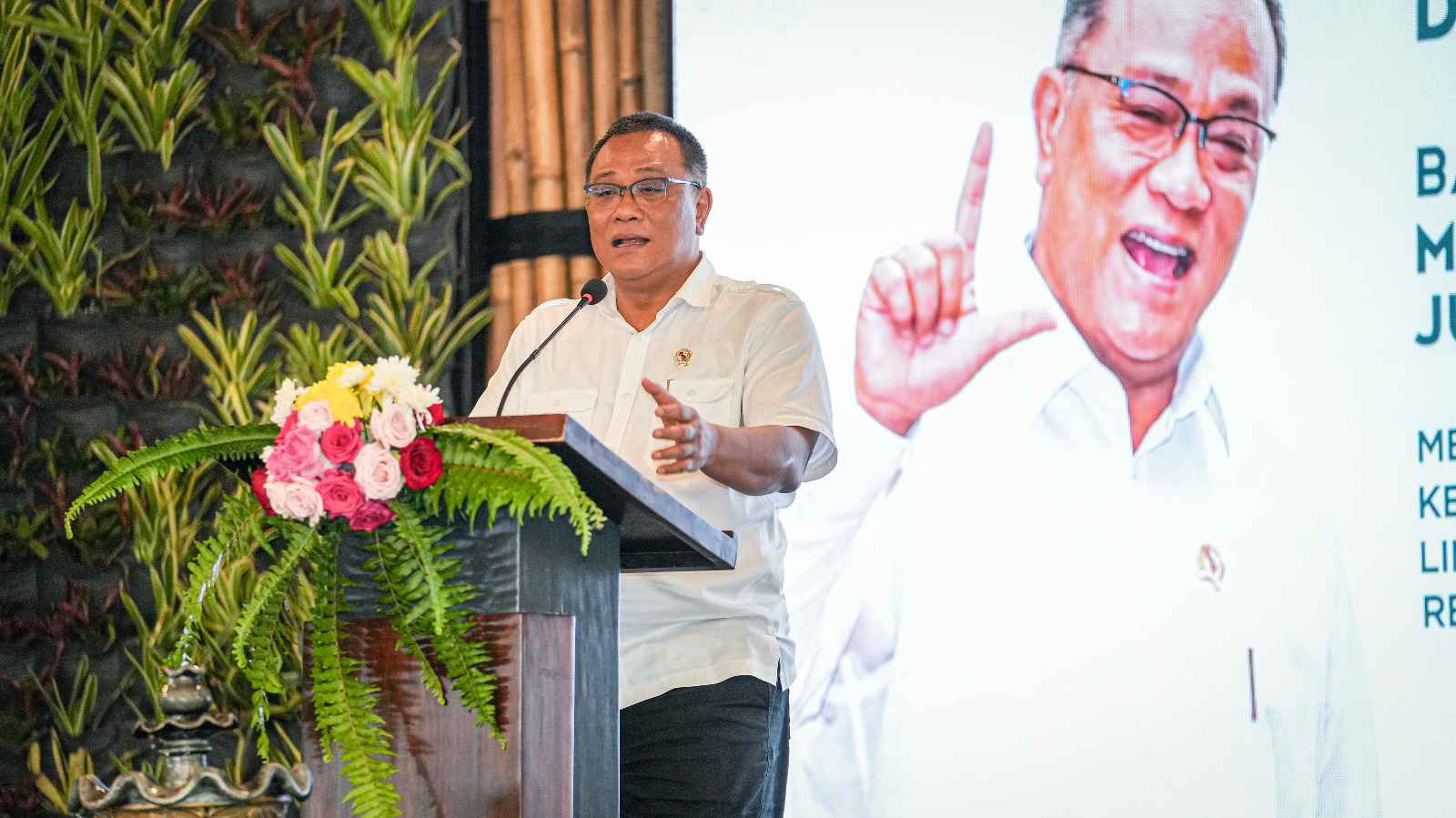
PSILH KLH/BPLH Head Upik Siti Asliah said e-waste management requires a comprehensive approach covering the entire chain, from collection and sorting to transportation and final processing.
“E-waste management must be carried out comprehensively from upstream to downstream. However, implementation still faces several gaps that require policy certainty. PSILH is therefore developing management standards to serve as a reference,” Upik said.
The proposed standard will establish procedures for sorting, categorizing, transporting and further processing e-waste, particularly waste generated by households and offices. The framework will remain aligned with existing environmental regulations.
Rising E-Waste and Informal Sector Risks
Data from Statistics Indonesia (BPS) for 2025 cited by KLH/BPLH showed that Indonesia’s imports of electronic goods reached 201 tons, while more than 1,000 computer and electronic equipment industries were operating domestically.
The management of discarded electronic equipment within government institutions also remains an area requiring stronger integration with environmental protection measures, particularly equipment classified as state-owned goods, or Barang Milik Negara (BMN).
At the community level, e-waste management is still largely handled by informal operators, including collectors and scrap dealers. Manual dismantling without adequate operating procedures can involve hazardous chemicals, creating potential risks of environmental contamination.
Jakarta’s provincial environmental agency has developed a formal collection approach by providing e-waste drop boxes at public facilities and offering direct collection services. KLH/BPLH considers the approach a potential example for replication in other regions.
Integrating Formal and Informal E-Waste Management
The standardization forum collected input from stakeholders to improve technical guidance for government institutions, private companies and public-service providers.
The proposed scope covers electrical and battery-powered equipment that is damaged or no longer used, including both small devices and bulky equipment.
KLH/BPLH also plans to strengthen coordination with other government institutions, including the Directorate of Auction and the Directorate of State Asset Policy Formulation at the Ministry of Finance. The coordination is intended to incorporate environmental considerations into the transfer and disposal of state-owned electronic equipment.
The government is also studying mechanisms to facilitate the transition of informal e-waste operators into the formal e-waste supply chain.
Upik said stakeholder input and existing practices would be used to improve the proposed standard and ensure that it can be implemented effectively across different sectors.
The initiative is expected to provide a clearer framework for managing e-waste while strengthening environmental safeguards throughout the electronic waste management chain. (*)