Enviro News Asia, Klungkung — Indonesia’s Ministry of Environment and the Environmental Control Agency (KLH/BPLH) is preparing to connect locally produced waste-derived energy with large industrial users to create a more sustainable market for alternative fuels.
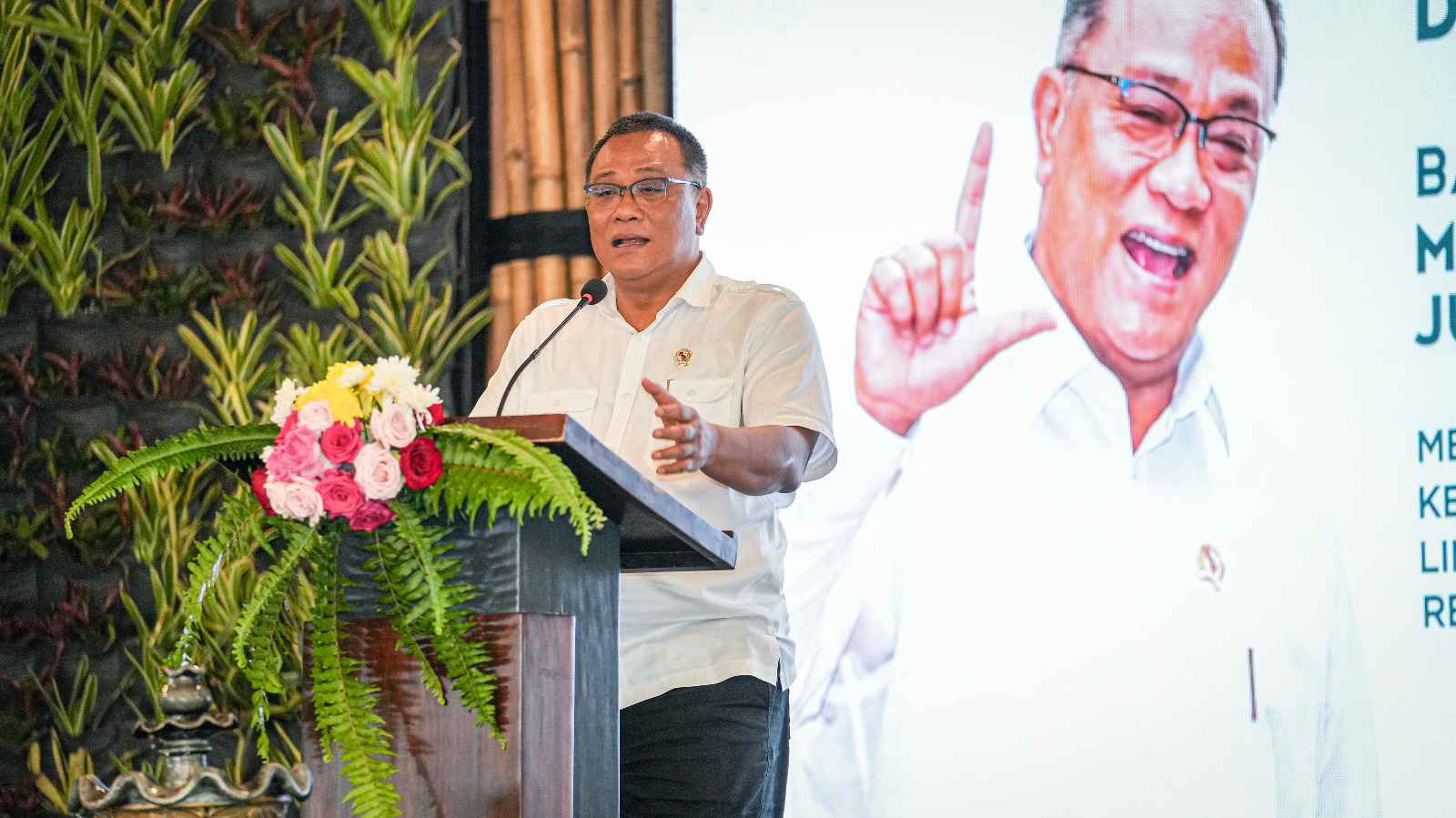
Environment Minister and Head of KLH/BPLH Moh Jumhur Hidayat announced the initiative during a visit to the Gema Santi Local Waste Processing Center (TOSS) in Klungkung, Bali, on October 3, 2026.
The government aims to ensure that waste processed into alternative fuels has reliable buyers, allowing waste-management facilities in regions to operate sustainably while supporting industries seeking alternatives to fossil fuels.
At the Gema Santi facility, Jumhur observed waste processing using pyrolysis, a process that heats materials in the absence of oxygen. The technology can convert waste into alternative fuel products, including fuel that can substitute for diesel, as well as densified organic waste products that can be used as an alternative to coal.
Jumhur praised the Klungkung administration for working with the private sector to develop waste management based on circular-economy principles.
“The Klungkung administration has taken a good initiative by processing its waste through a circular economy approach. This is a good practice,” Jumhur said during the visit.
KLH/BPLH plans to play a role in connecting waste-processing facilities with industrial buyers. Jumhur said some regional operators face difficulties finding markets for their processed waste products, while industrial companies have also approached the ministry to identify potential suppliers.
The use of waste-derived fuels could help energy-intensive industries reduce their dependence on coal and natural gas. Organic biomass-based fuels could also provide opportunities for companies to support emissions-reduction efforts as they pursue net-zero emissions targets and seek to strengthen their competitiveness in global markets.
However, transportation costs remain a challenge, particularly for waste-derived products produced in Bali and shipped to industrial centers on Java.
Jumhur proposed combining waste processing from several regencies to increase production volumes and reduce costs per unit. Larger-scale operations, he said, could improve the commercial viability of waste-derived energy and make the products more attractive to industrial buyers.
The ministry expects market-linked waste management to benefit local governments, waste-processing operators and industrial consumers. KLH/BPLH also aims to develop the Klungkung initiative as a national model for turning waste into energy while improving environmental management. (*)