

Enviro News Asia, Jakarta — Indonesia’s Ministry of Forestry is strengthening anti-corruption measures and conflict-of-interest management within its sustainable forest management directorate, seeking to improve transparency, accountability and public trust in forestry services.
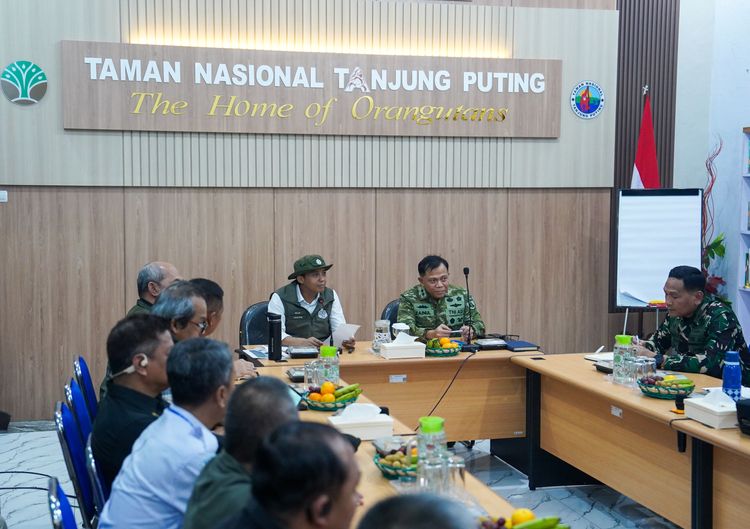
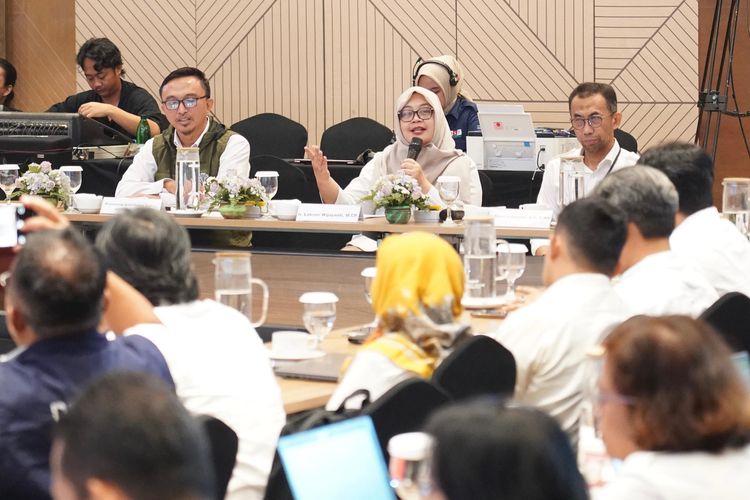
The ministry’s Directorate General of Sustainable Forest Management held an anti-corruption awareness session and conflict-of-interest declaration in Jakarta on Oct. 12, 2026. The initiative followed Forestry Ministerial Regulation No. 13/2025 on Conflict-of-Interest Management and Handling within the ministry and Ministerial Instruction No. 2/2026.
The event brought together senior officials, administrators, heads of regional offices and administrative division chiefs. Speakers included representatives from the Corruption Eradication Commission (KPK) and the ministry’s Inspectorate General.
Director General of Sustainable Forest Management Laksmi Wijayanti said conflicts of interest should be recognized as potential triggers for misconduct rather than automatically treated as violations in themselves.
“A conflict of interest is not the problem itself, but the trigger. When one arises, opportunities emerge for breaches of the code of ethics and abuse of authority,” Laksmi said when opening the event.
She explained that managing conflicts of interest was not intended to prevent employees from performing their duties or create unnecessary administrative burdens. Instead, officials needed to identify risks early and introduce appropriate safeguards.
“Anti-corruption culture begins with our ability to recognize risks and then develop measures to mitigate them,” she said.
Laksmi said challenges often emerged in everyday decision-making, particularly when officials encountered situations not explicitly covered by standard operating procedures. Excessive caution could delay public services, while impulsive decisions could create other risks.
She called on officials to document administrative processes and decisions, including through Srikandi, the government’s electronic official correspondence system, to ensure records were properly archived and could be followed up efficiently. Issues lacking clear regulatory guidance should be reported and resolved according to each official’s duties, functions and authority.
The event included a symbolic signing of the conflict-of-interest management pledge by Laksmi, directorate officials and heads of sustainable forest management offices.
The declaration is intended to support the directorate’s efforts to achieve Corruption-Free Zone (WBK) and Clean and Service-Oriented Bureaucracy Zone (WBBM) status. Laksmi stressed, however, that such recognition should reflect genuine institutional change rather than administrative compliance alone.
She said risk mitigation should also be incorporated into work plans and budget proposals for the next fiscal year, allowing officials to identify potential risks and establish preventive measures before activities begin.
Transparency was another key priority. Laksmi said the directorate’s information systems were increasingly open to independent monitoring, including information covering forestry activities from upstream to downstream, beyond the Timber Legality and Sustainability Verification System (SVLK).
“Information must be shared. Guidance and oversight cannot be carried out by one party alone. Oversight requires an ecosystem, and we are now building that ecosystem so it can function properly,” she said.
Laksmi described 2025 and 2026 as a period of improving governance and ensuring that forest utilization areas had clear legal and administrative status. In 2027, the directorate plans to focus on improving the forestry business ecosystem and significantly increasing non-tax state revenue.
She emphasized that higher revenue must not come at the expense of sustainability or benefit only selected groups. Local communities and small businesses should also share in the benefits.
Participants also received presentations on anti-corruption practices and corruption-risk monitoring in public forestry services from the KPK, integrity and risk management from the ministry’s Inspectorate III, and the implementation of Ministerial Regulation No. 13/2025 from the Inspectorate of Investigation.
The session concluded with participants practicing how to submit conflict-of-interest declarations through the ministry’s SINAR application. (*)