

Enviro News Asia, Yogyakarta — Indonesia’s Ministry of Forestry is facilitating the establishment of a national professional association for forest management technical personnel to strengthen professional standards, institutional capacity and sustainable forest management across the country.
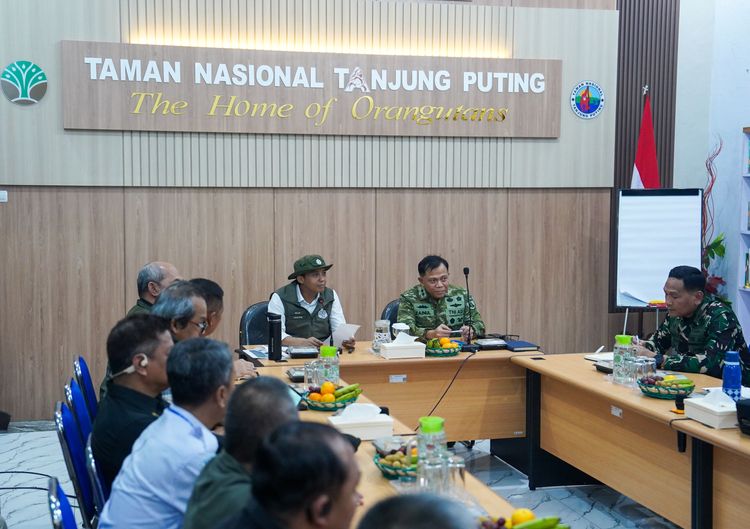
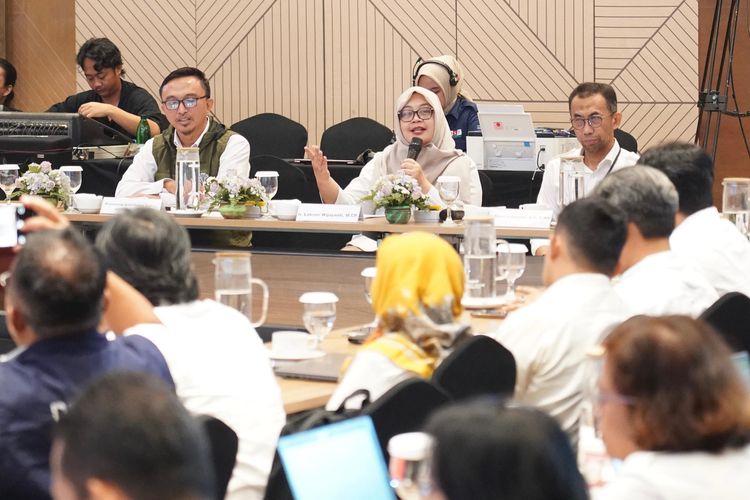
The ministry’s Directorate General of Sustainable Forest Management held the first National Deliberation of the National Association of Forest Management Technical Personnel (ASGANISPH) on Oct. 13–14, 2026, in Sleman, Yogyakarta.
The gathering serves as a forum for organizational decision-making and marks a milestone in establishing a national professional body for Forest Management Technical Personnel (GANISPH).
The meeting was officially opened on Tuesday by Krisdianto, director of Forest Product Fees and Administration, with 77 GANISPH representatives from across Indonesia attending in person. Representatives from the Forestry Human Resources Development Agency, the Yogyakarta Environment and Forestry Agency, and the Surabaya Regional Sustainable Forest Management Office also participated.
Other GANISPH members joined online, while observers included representatives from forestry business associations, timber industry organizations, Perum Perhutani, state-owned forestry companies, professional certification bodies and regional forest management offices.
In remarks delivered on behalf of Yogyakarta Environment and Forestry Agency head Kusno Wibowo, agency official Antonia Sanjaya urged participants to use the meeting to develop forward-looking ideas. She also called on business associations and industry partners to support the new organization.
“Synergy between businesses and certified technical personnel is key to advancing Indonesia’s sustainable forestry industry, making it globally competitive while maintaining ecological balance,” the statement said.
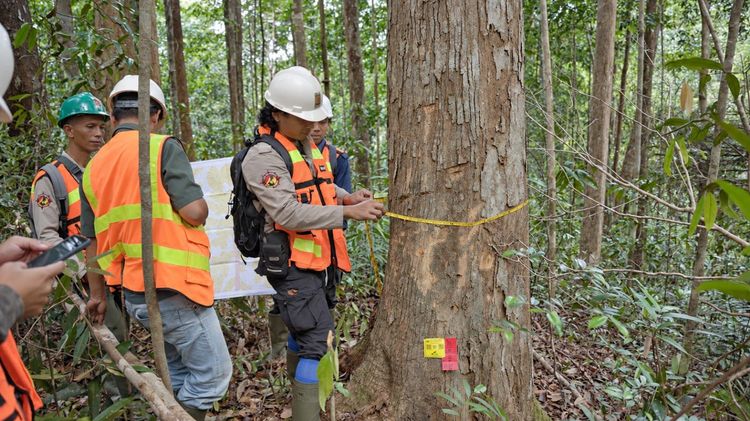
Krisdianto said GANISPH personnel had expanded beyond their traditional roles in timber measurement and assessment, including as timber cruisers, graders and scalers. Their expertise is increasingly needed across various aspects of forest utilization, including emerging carbon-trading activities.
“We will soon enter the era of carbon trading. Technical personnel specializing in carbon will become increasingly important,” Krisdianto said.
Data from the Forest Management Technical Personnel Information System (SIGANISHUT) recorded 14,466 GANISPH personnel nationwide. Most specialize in timber forest products, while the number of personnel working with non-timber forest products and environmental services remains limited.
The ministry plans to increase the number of GANISPH personnel qualified to assess non-timber forest product groups next year. Krisdianto said observations by the Corruption Eradication Commission had indicated that a shortage of qualified assessors was preventing state non-tax revenue from social forestry from reaching its full potential.
The ministry’s Forest Product Fees and Administration Directorate will work with the social forestry unit to develop the necessary technical workforce.
“Eighty percent of this non-tax revenue returns to regional governments. We are therefore building both the nation and its regions,” Krisdianto said.
The ministry is also working to strengthen GANISPH certification through regulatory improvements, competency standards and institutional development. Certification involves competency assessments conducted by professional certification bodies accredited by the National Professional Certification Agency (BNSP), helping ensure that technical personnel receive nationally recognized qualifications.
Krisdianto emphasized that GANISPH personnel must maintain independence and professionalism, describing them as frontline contributors to state revenue and guardians of sustainable forest management.
He said the association would also provide a channel for technical personnel to raise operational challenges and propose improvements to government policy. Issues could include technological innovation and the transition from manual to digital measurement methods.
Through the new association, the ministry hopes to build a credible professional institution that strengthens sustainable forest management and safeguards the state’s rights over forest products. (*)