Enviro News Asia, Jakarta — Indonesia has been ranked as the second most energy-secure country in the world based on a report by JP Morgan Asset Management, placing it just below South Africa and above China amid ongoing global geopolitical uncertainties affecting energy supply.
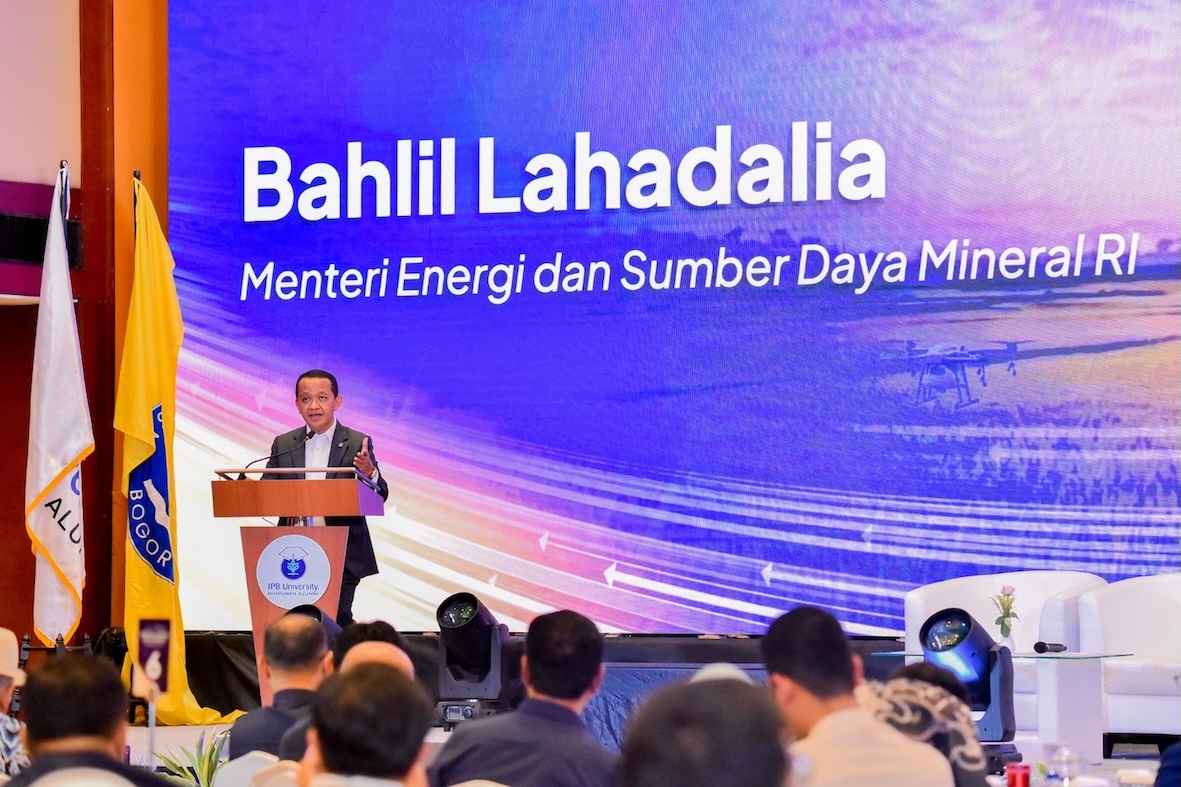
Minister of Energy and Mineral Resources Bahlil Lahadalia stated that the achievement reflects the government’s consistent efforts in strengthening national energy resilience through a series of integrated policies. He emphasized that despite the recognition, Indonesia continues to face structural challenges, particularly the gap between domestic oil production and national consumption.
Indonesia’s oil production currently stands at approximately 605,000 barrels per day, while domestic demand has reached around 1.6 million barrels per day. To address this imbalance, the government is accelerating the reactivation of idle and aging oil wells using advanced technology, alongside providing incentives to contractors and involving local communities in legal and productive operations.
The government is also expediting long-delayed upstream projects, including the development of Masela Block, which had remained stagnant for decades but has now entered the engineering, procurement, and construction (EPC) tender phase following firm regulatory direction.
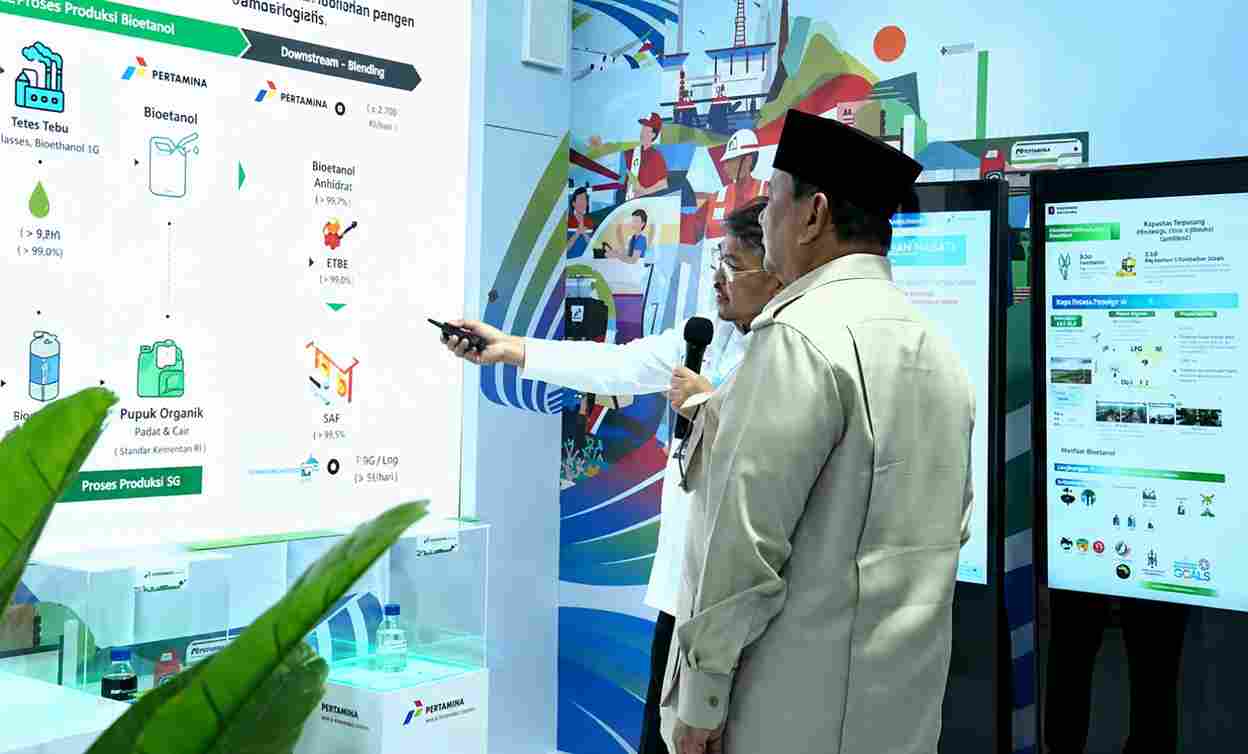
In the downstream sector, Indonesia has made significant progress in reducing fuel imports through its biodiesel program. The current B40 mandate, set to increase to B50 in mid-2026, is expected to eliminate diesel imports entirely—marking a historic milestone for the country.
Further measures include the planned introduction of a 20 percent ethanol blend in gasoline by 2028, utilizing domestically available feedstocks such as sugarcane, cassava, and corn. This policy is projected to substantially reduce gasoline imports and strengthen energy independence.
To address reliance on liquefied petroleum gas (LPG), the government is promoting alternative fuels such as Compressed Natural Gas (CNG), which offers a more cost-efficient and domestically sourced solution for households and industries.
In parallel, Indonesia is diversifying its crude oil import sources to reduce dependency on geopolitically sensitive routes such as the Strait of Hormuz. New supply channels from regions including Africa, the Americas, and Russia are being explored to enhance supply security.
Bahlil reiterated that energy resilience is built through a combination of long-term strategies rather than a single policy approach. These include optimizing domestic resources, strengthening downstream industries, and ensuring stable energy prices for the public.
The government has also assured that subsidized fuel and LPG prices will remain stable through the end of 2026, even amid potential increases in global crude oil prices.
This recognition underscores Indonesia’s progress in building a more resilient and self-reliant energy system, capable of withstanding global disruptions while supporting national economic stability. (*)