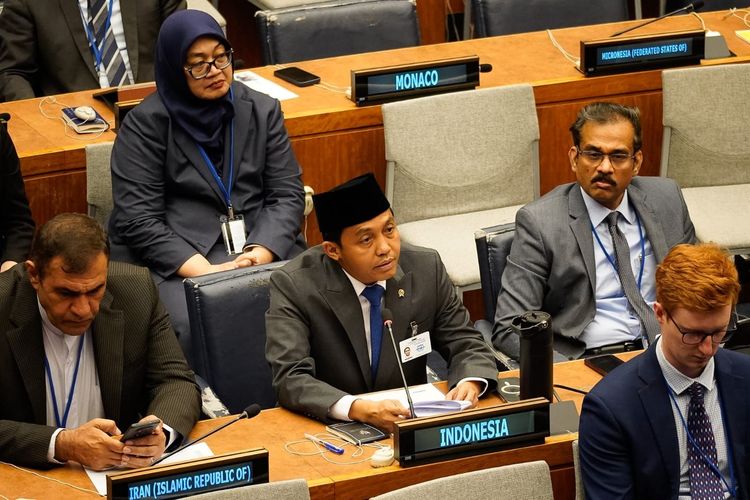
Enviro News Asia, New York — Indonesia’s Minister of Forestry, Raja Juli Antoni, presented Indonesia’s progress in reducing forest and land fires during the 21st Session of the United Nations Forum on Forests (UNFF21) at the United Nations Headquarters in New York on Monday (11/5). The achievement was highlighted as part of Indonesia’s commitment under President Prabowo Subianto’s climate action agenda through sustainable forest protection.
Accompanying the Minister during the UN forum were Indonesia’s Permanent Representative to the United Nations in New York, along with senior officials from the Directorate General of Sustainable Forest Management and the Directorate General of Watershed Management and Forest Rehabilitation as part of the Indonesian delegation.
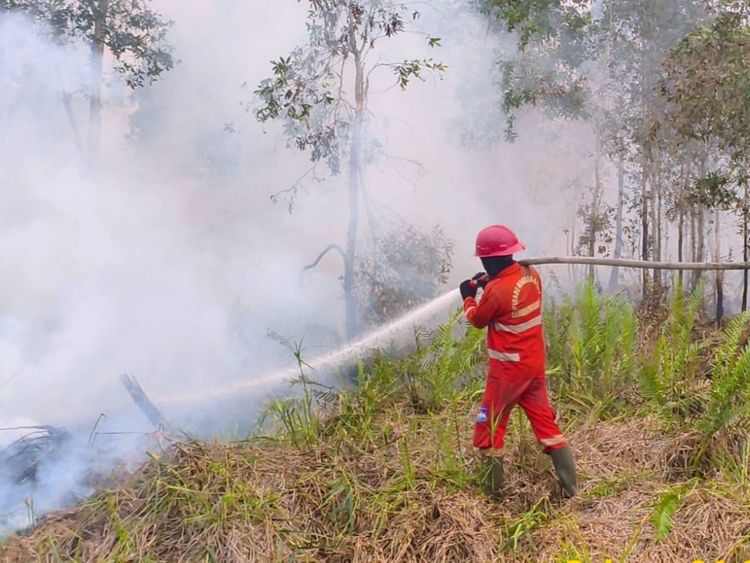
During the session, Raja Juli Antoni stated that Indonesia had successfully reduced the scale of forest and land fires by 86 percent over the past decade. He explained that the achievement resulted from stronger integrated prevention and early warning systems, stricter law enforcement, and community-based forest management approaches.
According to the Minister, the positive trend continued throughout the 2024–2025 period, with Indonesia recording a significant decline in fire-affected areas compared to previous years. The reduction was supported by strengthened hotspot monitoring systems and rapid response firefighting operations carried out by joint field teams.
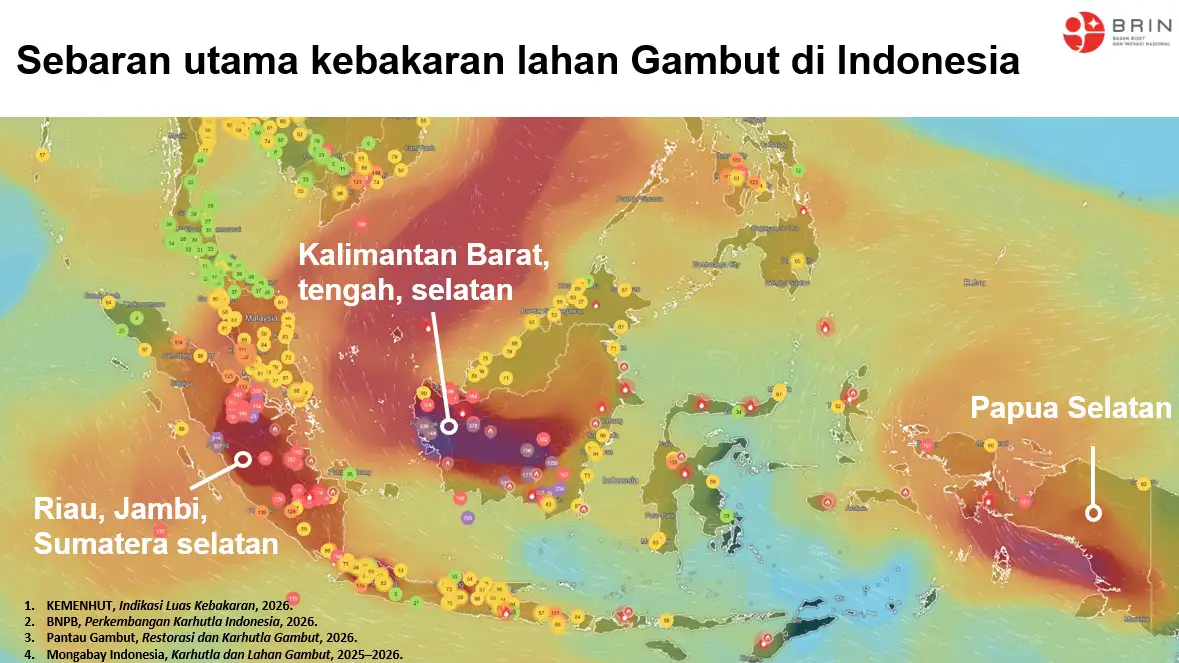
Despite the progress, the Minister warned of increasing climate risks in 2026. Based on weather and climate analysis, Indonesia is expected to experience a weak to moderate El Niño phenomenon beginning in June 2026, potentially triggering a longer dry season and increasing the risk of forest and land fires.
“This year we must remain far more vigilant. The possibility of a prolonged dry season due to El Niño requires heightened preparedness from all parties. I urge all relevant institutions and partners to intensify patrols and monitoring efforts in vulnerable areas,” Raja Juli Antoni said in New York.
He also stressed that reducing forest fire incidents cannot rely solely on the central government. Effective prevention, he said, requires strong collaboration among local communities, law enforcement agencies, regional governments, and all stakeholders involved in forest protection efforts.
“Collaboration and preparedness are the keys. We must ensure that forest and land fires continue to decline in order to protect forest ecosystems and maintain healthy air quality for the public,” he added.
Indonesia has continued to position forest protection and climate resilience as strategic priorities amid global efforts to reduce emissions and strengthen environmental sustainability. (*)