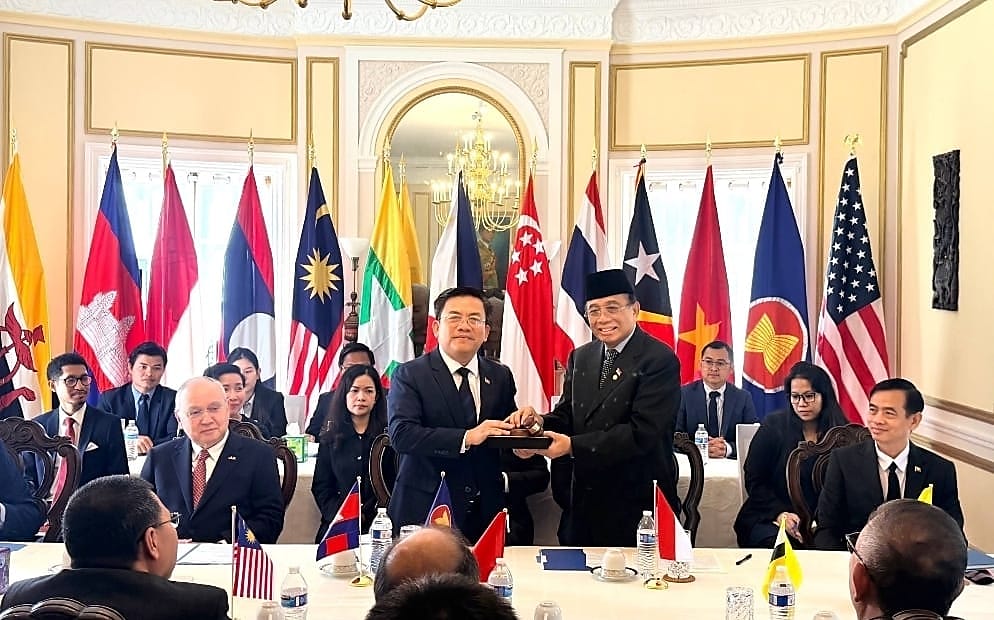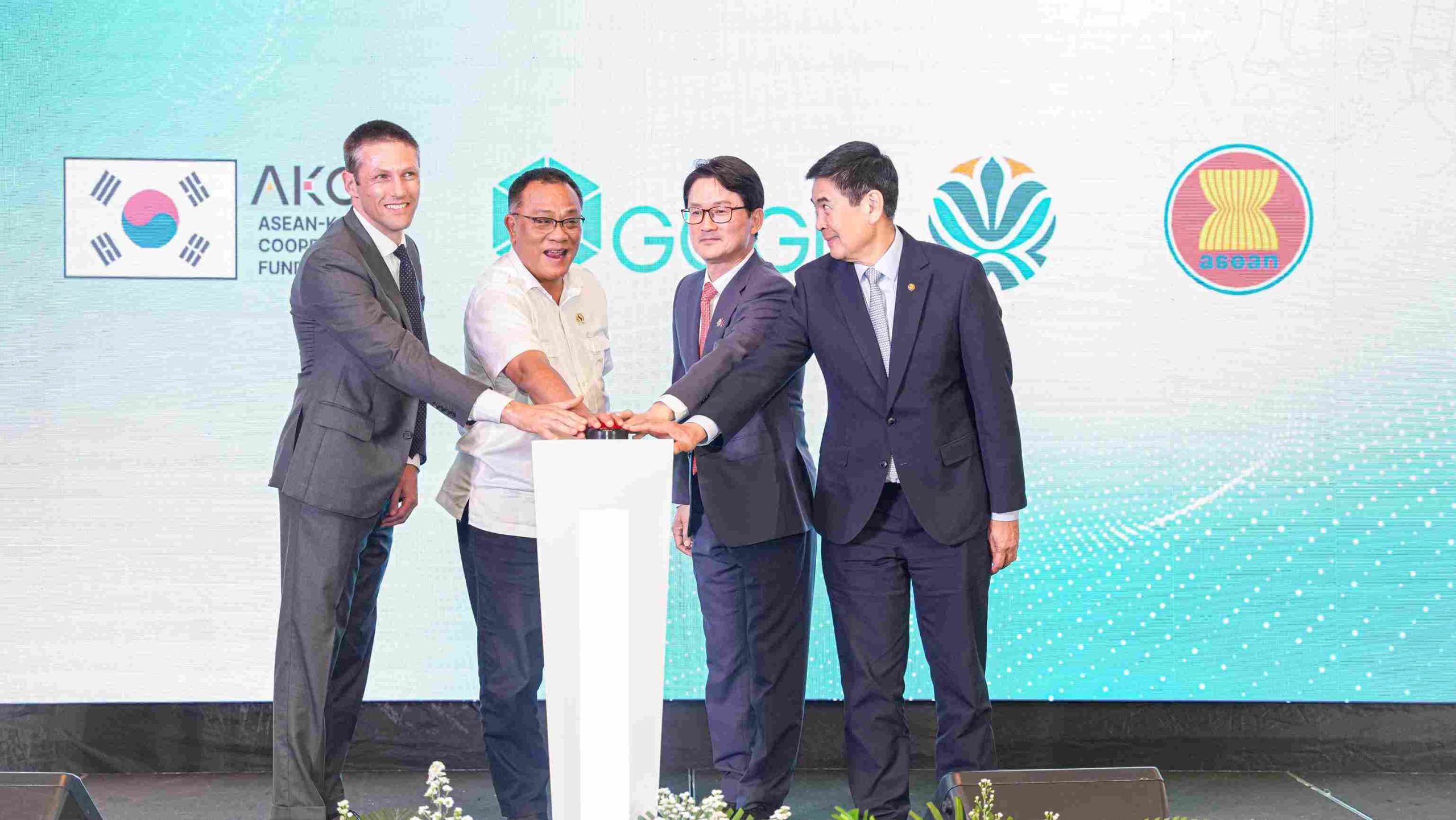
Enviro News Asia, Jakarta — Ministry of Environment of Indonesia together with the Government of South Korea and Global Green Growth Institute officially launched the ASEAN-Korea Cooperation for Methane Mitigation (AKCMM) project in Jakarta on 21 May 2026.
Indonesia became the third ASEAN member state to implement the regional initiative after Malaysia and the Philippines. The project aims to strengthen methane emission reduction efforts, particularly from the waste sector, while supporting sustainable waste management and regional climate cooperation.
Minister of Environment and Head of the Environmental Control Agency, Moh Jumhur Hidayat, stated that organic waste management has become a major priority in Indonesia’s climate agenda.
According to the ministry, around 63 percent of waste disposed in Indonesian landfills consists of organic material, with methane emissions from waste estimated to reach 21 million tons of CO₂ equivalent.
“Waste management is not merely a cleanliness issue, but a crucial pillar in our climate action,” Jumhur said during the launch ceremony.
He emphasized that the AKCMM project would help connect practical solutions on the ground with Indonesia’s methane emission reduction targets.
The AKCMM initiative is part of the Partnership for ASEAN-ROK Methane Action (PARMA), a three-year cooperation program valued at USD 20 million funded through the ASEAN-Korea Cooperation Fund.
LEE Chul described the project as a form of regional solidarity in addressing global warming and accelerating short-term climate action.
“Mitigating methane is one of the most strategic efforts to slow global warming,” LEE Chul stated, adding that South Korea remains committed to providing technical and financial support for ASEAN member countries.
Meanwhile, San Lwin highlighted the importance of aligning methane reduction initiatives with ASEAN’s broader climate resilience and low-carbon development agenda.
According to ASEAN officials, the project is expected to strengthen regional cooperation, improve technical capacity, and support practical climate action implementation across member states.
GGGI Indonesia Country Representative Rowan Fraser explained that the initiative is designed to bridge the gap between national climate policies and local implementation.
“By improving emissions measurement systems and designing appropriate financing mechanisms, we can reduce greenhouse gas impacts while creating economic efficiency in urban waste management,” Fraser said.
Implementation of the AKCMM project in Indonesia will be coordinated through a National Working Forum focusing on policy strengthening, emission monitoring systems, financially viable climate projects, and regional dialogue enhancement.
The initiative also supports Indonesia’s National Medium-Term Development Plan (RPJMN) 2025–2029 and is expected to strengthen the country’s role in regional green diplomacy. (*)