Enviro News Asia, Antalya — Indonesia is accelerating efforts to reduce methane emissions from waste management, agriculture and fossil fuel operations as part of its commitment to meet national climate targets by 2030.
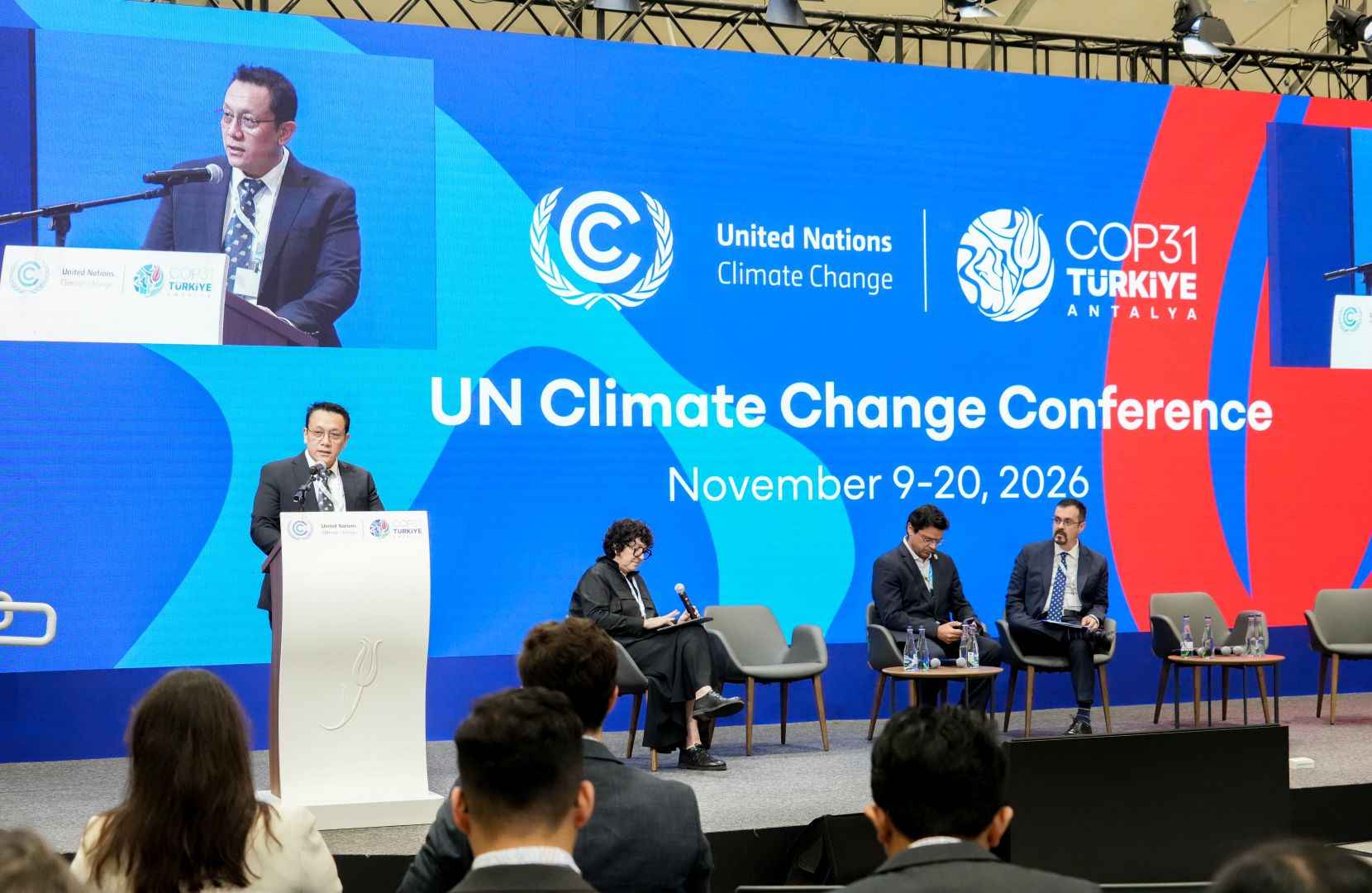
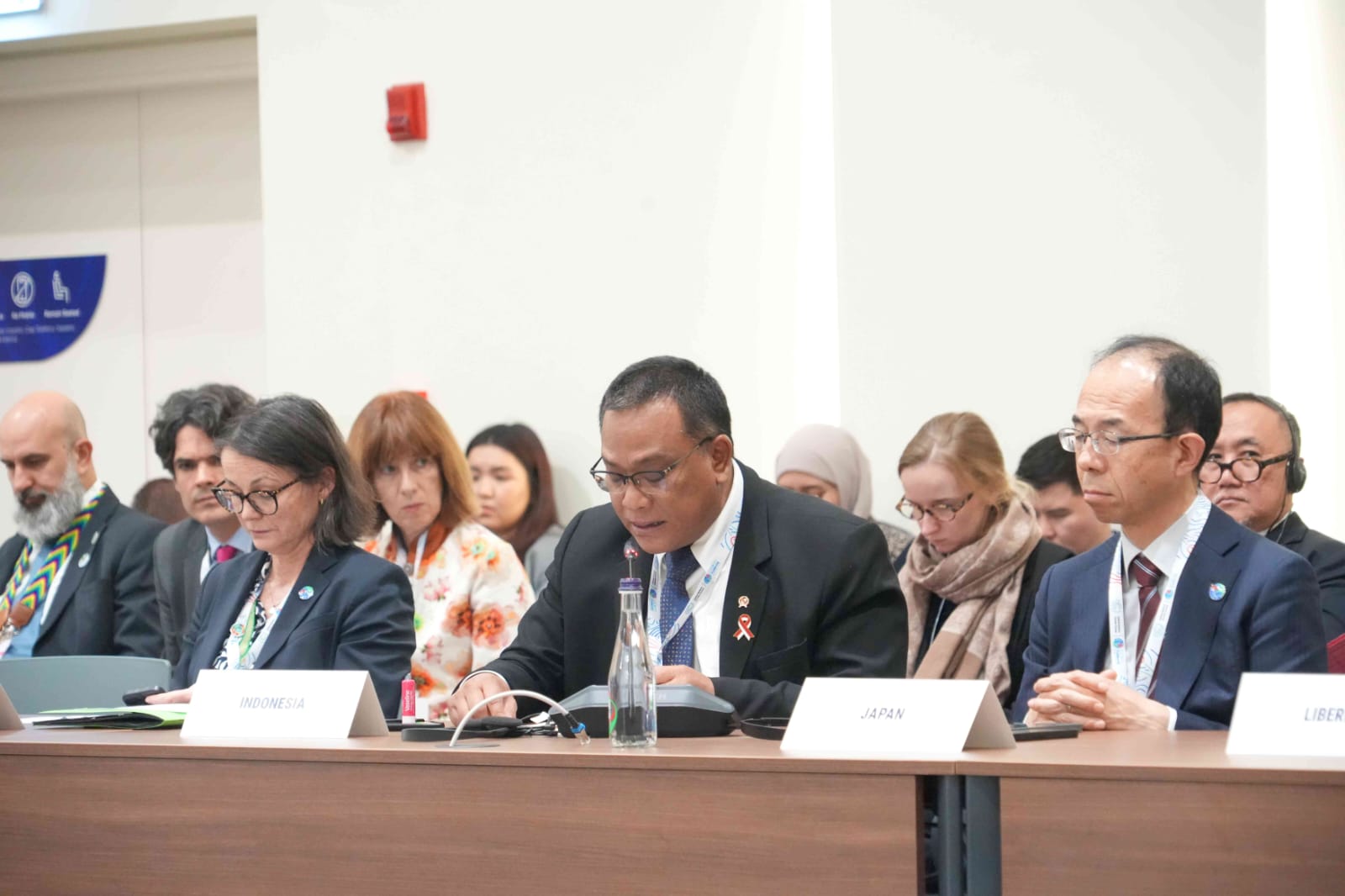
At a ministerial meeting during the United Nations Climate Change Conference (COP31) in Antalya, Türkiye, on Nov. 11, 2026, the government outlined measures to move beyond climate pledges and implement measurable methane reduction programmes across the three sectors.
Under its updated national climate commitments, Indonesia aims to reduce emissions by 31.89 percent through domestic efforts and up to 43.20 percent with international support by 2030. The government sees cross-sector methane mitigation as an important component of achieving these targets.
Environment Minister and head of the Environmental Control Agency (KLH/BPLH) Moh Jumhur Hidayat said methane reduction had become part of the government’s operational agenda rather than merely a policy commitment.
“Indonesia welcomes the meeting’s emphasis on moving from commitments to implementation. For Indonesia, reducing methane emissions is an important part of addressing climate change while supporting sustainable waste management, strengthening food security and improving energy efficiency,” Jumhur said.
In the waste sector, the Environment Ministry is accelerating operational measures to end open dumping and prevent organic waste from accumulating at final disposal sites. The government is also adopting more accurate and transparent Tier 2 emissions accounting methods.
The implementation of Presidential Regulation No. 109 of 2025 is intended to support waste-to-energy programmes as part of the country’s circular economy efforts. Meanwhile, Indonesia’s palm oil industry is beginning to convert liquid waste into biogas for its own operations.
In agriculture, mitigation measures include trials of low-emission rice varieties and wider adoption of irrigation management techniques, supported by technical assistance for farmers. The government is also promoting improvements in livestock feed and manure management to reduce emissions while supporting farmers’ livelihoods.
In the fossil fuel sector, domestic oil and gas operators are testing technologies to detect and repair methane leaks. The initiative follows the Southeast Asia Methane Week in Jakarta and is being expanded to include verification of emissions reductions in coal mining operations.
To strengthen coordination, the government established the Super Pollutant Unit Indonesia in October 2026. The unit is designed to coordinate efforts among ministries to address short-lived climate pollutants.
Financing is another component of the strategy. KLH/BPLH is overseeing the implementation of Presidential Regulation No. 110 of 2025, which provides access to carbon trading for methane mitigation projects. The government is also using sovereign green sukuk to support environmentally friendly infrastructure.
The ministry has invited international financial institutions and industry partners to support projects ranging from urban waste treatment facilities and improved irrigation management to methane leak reduction in energy operations.
Through these initiatives, Indonesia aims to strengthen implementation across key economic sectors and deliver measurable contributions to global climate action before 2030. (*)