

Enviro News Asia, Antalya — Indonesia should use the 31st United Nations Climate Change Conference (COP31) to accelerate a just energy transition, reduce its reliance on coal and strengthen energy security, the Institute for Essential Services Reform (IESR) has said.
The energy policy think tank called on the government to turn its climate commitments into measurable domestic policies, investment and programmes, while ensuring that workers and communities benefit from the shift towards a low-carbon economy.
COP31 is taking place in Antalya, Türkiye, from Nov. 9 to 20, 2026. IESR said Indonesia should use the negotiations to push for faster renewable energy deployment, greater access to climate finance and stronger protection for communities affected by the energy transition.
Indonesia has incorporated the principle of a just transition into its Second Nationally Determined Contribution (Second NDC), submitted to the United Nations Framework Convention on Climate Change on Oct. 27, 2025. However, IESR said the commitment must be backed by clear policies, programmes and investment plans.
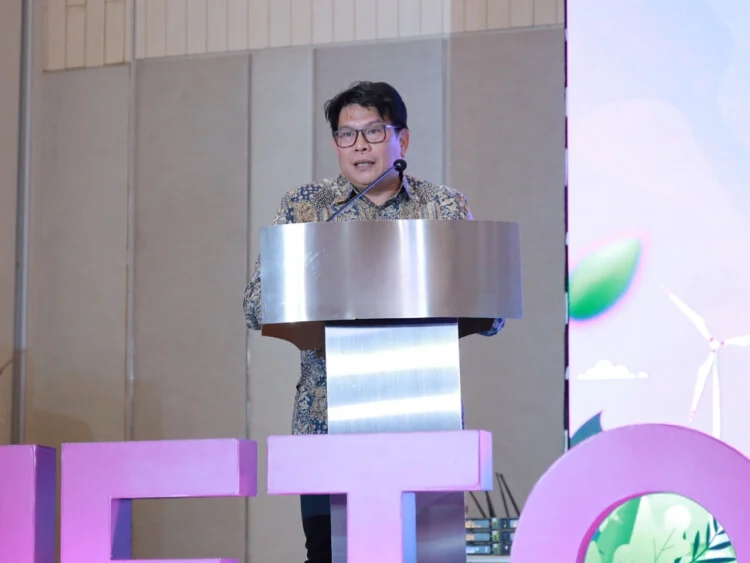
IESR chief executive Fabby Tumiwa said COP31 should mark a shift from climate pledges to concrete action at home.
“Energy transition is not a development burden. It is a strategy to strengthen energy security, reduce dependence on fossil fuels, create low-carbon industries and green jobs, and provide affordable clean energy for the public,” Fabby said.
IESR outlined five priorities for Indonesia at the conference.
The first is to accelerate the shift from coal to renewable energy. Although Presidential Regulation No. 112/2022 restricts the development of new coal-fired power plants, it allows exceptions for projects already included in the electricity supply business plan and captive coal plants linked to mineral downstream industries.
IESR urged the government to stop approving new captive coal plants after 2030, accelerate the retirement of old and inefficient facilities, and expand renewable energy capacity alongside transmission networks, energy storage and power system flexibility.
The second priority is to make electrification a driver of economic transformation. The COP31 presidency has proposed a voluntary global target to increase electricity’s share of final energy consumption from around 20 percent to 35 percent by 2035.
IESR said Indonesia should use the initiative to expand clean electricity in transport, industry, households and productive sectors. National electricity consumption would need to rise from 455 terawatt-hours in 2025 to 971 TWh by 2035, equivalent to average annual growth of 8 percent.
However, the think tank stressed that increased electricity demand must be met by renewable energy, supported by stronger grids and storage capacity, rather than extending dependence on fossil fuels.
The third priority is to secure more accessible and affordable financing for the transition. IESR called on developed countries and multilateral financial institutions to expand grants, concessional loans, guarantees and risk-sharing instruments for renewable energy, electricity networks, energy storage and early coal plant retirement.
It also urged greater direct access to financing for regional governments and local institutions.
The fourth priority is to ensure that the transition is socially inclusive. Moving away from a coal-based economy, IESR said, must be accompanied by social protection, reskilling and upskilling programmes, green job creation and economic diversification in coal-producing regions.
Workers, local communities, women and vulnerable groups should also have meaningful opportunities to participate in decision-making. IESR proposed accountable financing mechanisms, including transfers to coal-producing regions, to support skills development and local economic diversification.
The fifth priority is to reduce methane emissions. Indonesia joined the Global Methane Pledge in 2021, which aims to collectively cut global methane emissions by at least 30 percent from 2020 levels by 2030.
Beyond agriculture, IESR said Indonesia could reduce methane emissions from oil, natural gas and coal production and processing. A national methane reduction roadmap aligned with the pledge could be incorporated into the implementation of the Second NDC.
Fabby said Indonesia’s diplomatic position at COP31 would carry greater weight if it were matched by domestic policy reforms and credible investment plans.
“Indonesia should not come only to ask for funding. It should bring a credible pipeline of energy transition projects, clear policy reforms, and plans to protect workers and transform regional economies,” he said.
The government has estimated that Indonesia needs approximately US$472.6 billion in investment to meet its emissions reduction targets under the Second NDC.
IESR said the success of Indonesia’s COP31 engagement should not be measured by the number of declarations or memorandums of understanding signed, but by whether diplomatic outcomes translate into greater clean energy investment, a managed reduction in coal use, a stronger electricity system and tangible economic benefits for workers and communities.
The think tank said these outcomes would help turn Indonesia’s climate commitments into a development strategy that supports long-term energy security. (*)