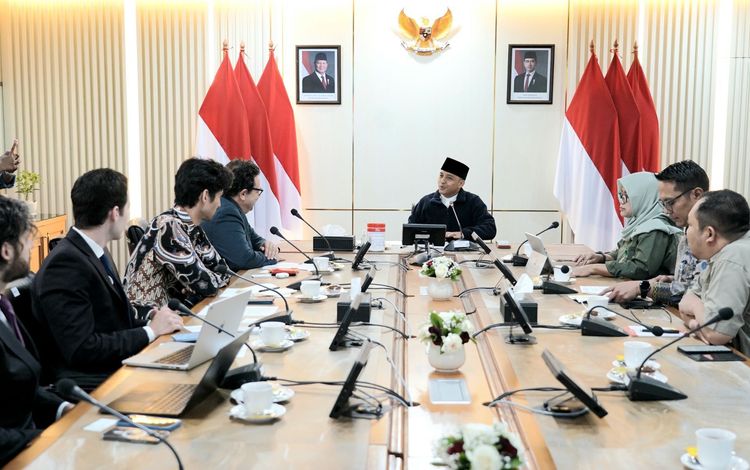
Enviro News Asia, West Sumatera — Indonesia’s Minister of Forestry Raja Juli Antoni, together with Chairwoman of the House of Representatives Commission IV, Siti Hediati Soeharto, reaffirmed the central government and parliament’s commitment to elevate Social Forestry as a pillar of inclusive economic growth and sustainable forest management.
The declaration was made during the Gelar Karya Perhutanan Sosial of the Strengthening Social Forestry (SSF) Project, held under the theme “Aka Basamo” in Lima Puluh Kota Regency, West Sumatra.
In his keynote address, Minister Antoni emphasized that under President Prabowo Subianto’s administration, Social Forestry has been reinstated as a National Strategic Project (Proyek Strategis Nasional/PSN). This status underscores the state’s agenda to ensure equitable access and utilization of forest lands for the welfare of forest-adjacent communities.
“In the past, people could only look at the forest from afar. Today, they are invited in—not just to protect it, but to benefit from it for their livelihoods,” said the Forestry Minister.
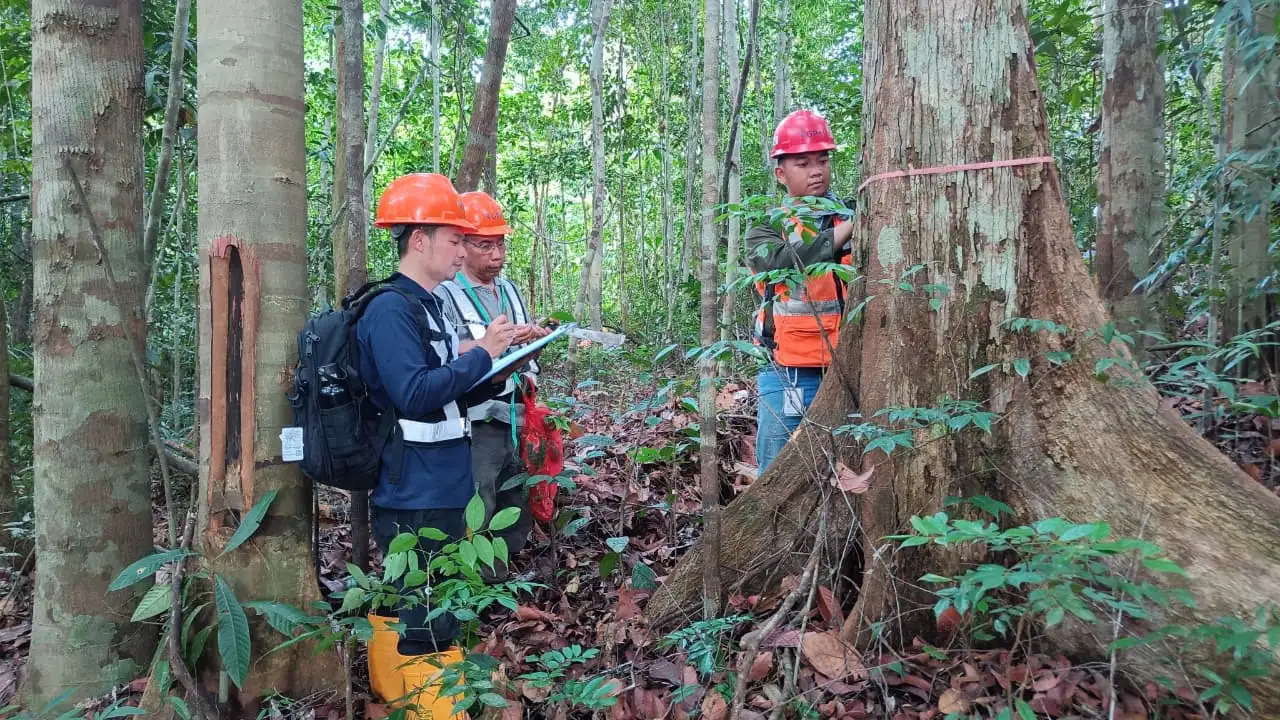
As of mid-2025, the government has legally granted access to over 8.3 million hectares of forest areas through 11,015 decrees, involving more than 1.4 million households. An estimated 5 million hectares remain available for future Social Forestry allocation.
A tangible success of this initiative was showcased with the ceremonial first export of 8 tons of coffee from the Luhak Bungsu Cooperative to Dubai, officiated by Minister Antoni and Commission IV Chairwoman as part of the event’s celebration.
In her address, Siti Hediati Soeharto—commonly known as Titiek Soeharto—highlighted Social Forestry as a key solution to reducing poverty in rural forest regions while preserving national environmental stability.
“This program not only legalizes community management of forest lands but also opens pathways to income, employment, and enterprise security. No more farmers living in fear of forest rangers,” she asserted.
She also announced cross-sectoral legislative support from Parliament, including the provision of fertilizer subsidies for recognized forest farmers—a milestone enshrined in the newly issued Minister of Agriculture Regulation No. 4/2025, marking the first official inclusion of forest farmers in national subsidy schemes.
Titiek Soeharto also praised the collaboration between the Ministry of Agriculture and the National Quarantine Agency in supporting the success of social forestry-based coffee enterprises.
“We encourage this model to be replicated in other regions. Social Forestry is now a proven concept that directly benefits the people,” she concluded.
The Gelar Karya event served to showcase the achievements of Social Forestry Business Groups (KUPS), strengthen business networks, and highlight innovations and best practices from across the country. It was attended by stakeholders from central and regional government, parliament, development partners, business actors, academia, and local communities. (*)