Enviro News Asia, Washington, D.C. — Indonesia is strengthening its position in the global carbon market, supported by vast natural resources and increasing policy readiness, according to discussions held at the World Bank headquarters during the IMF–World Bank Spring Meetings.
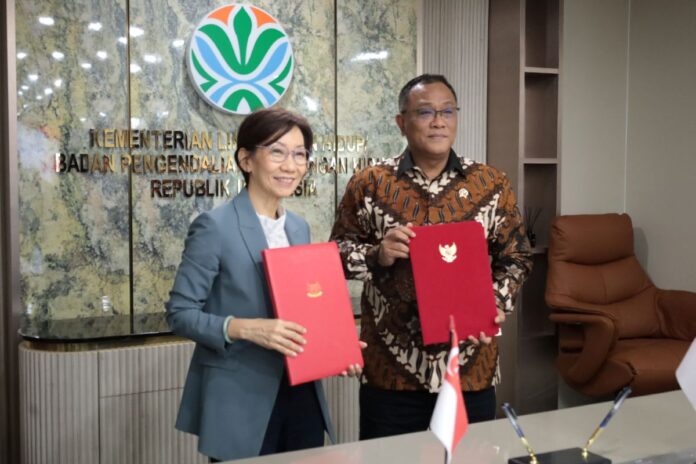
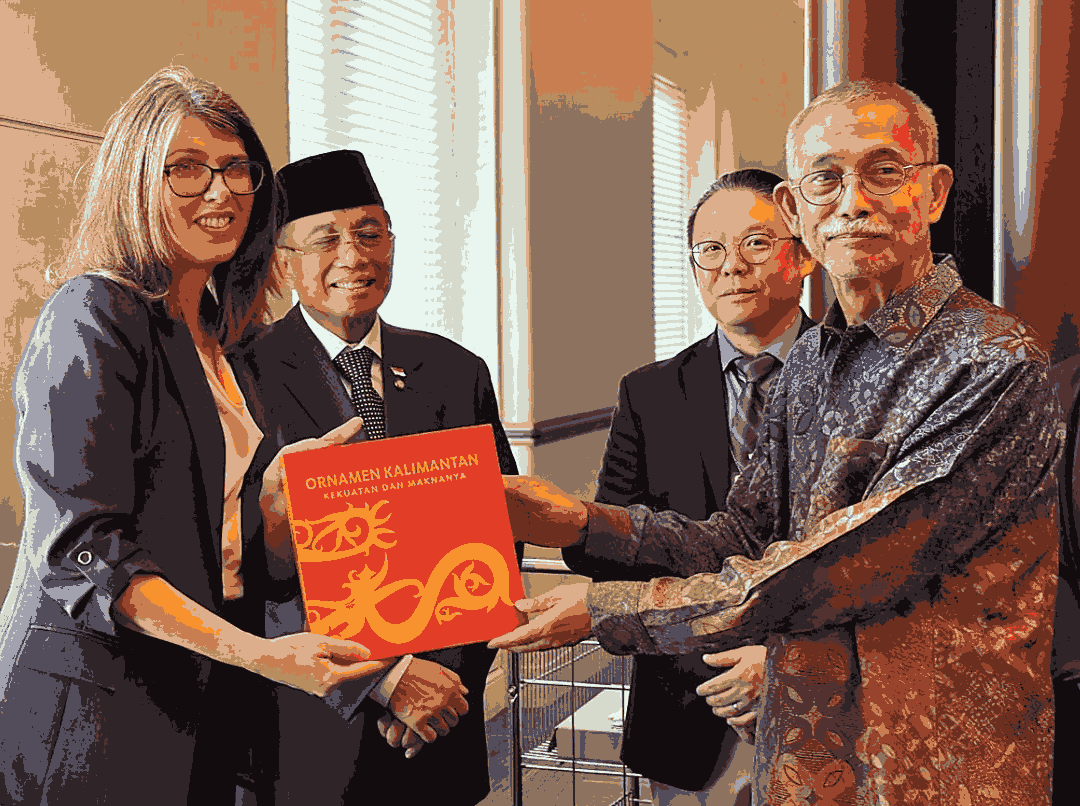
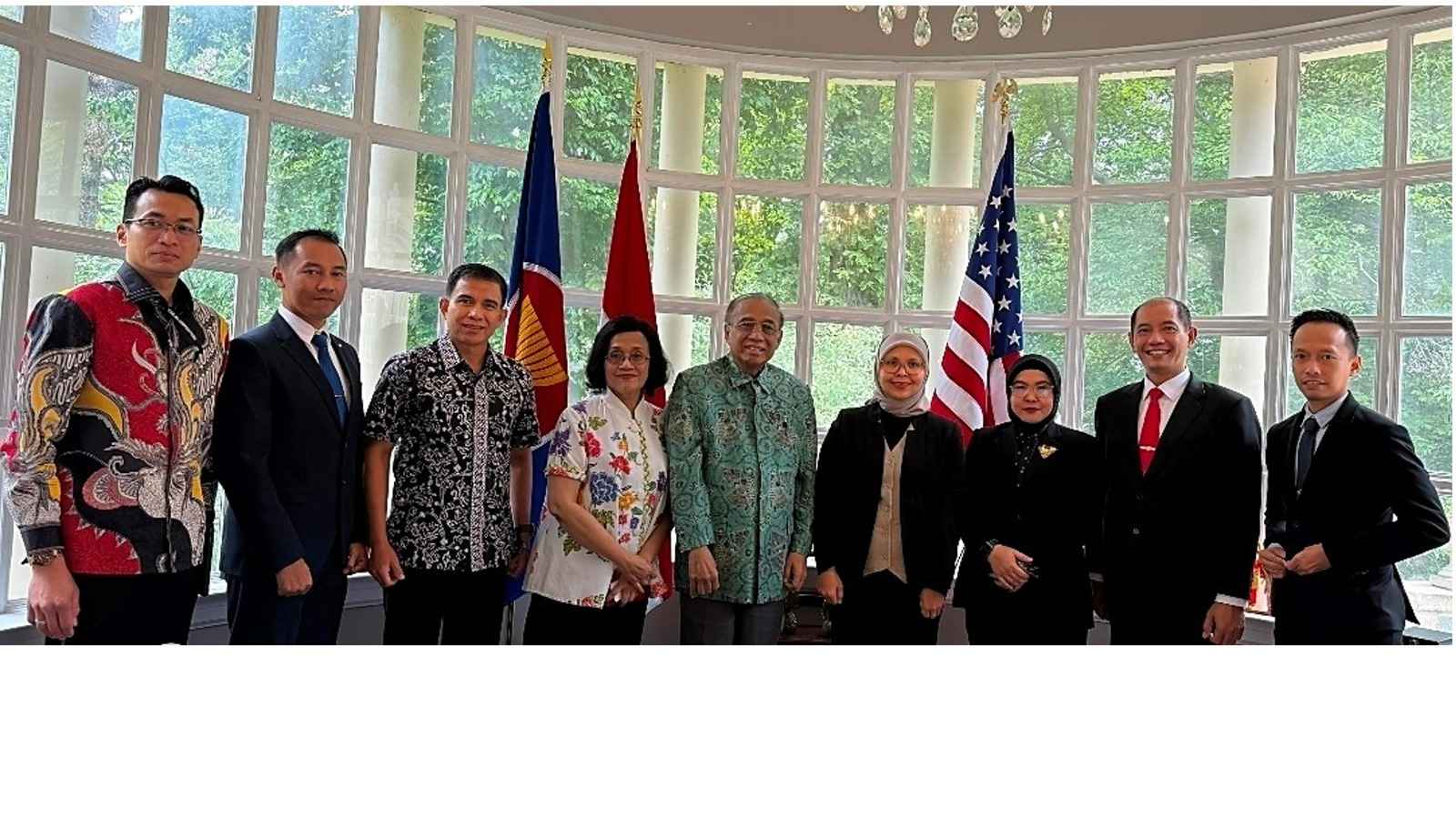
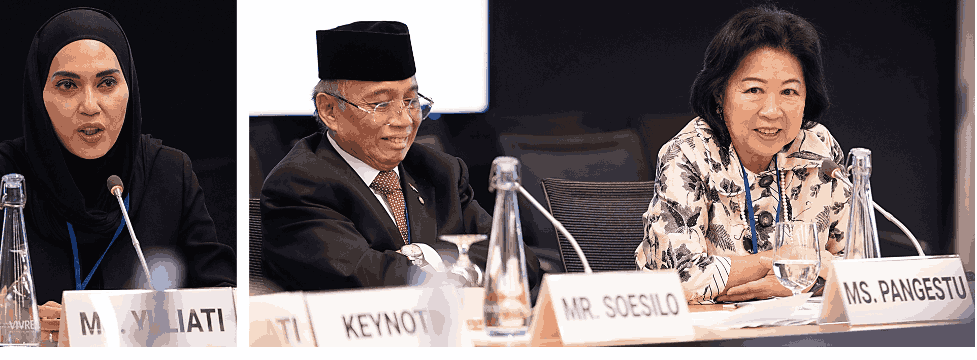
The forum brought together key stakeholders, including Vice Speaker of the House of Representatives Sari Yuliati, National Economic Council Vice Chair Mari Pangestu, Indonesian Ambassador Indroyono Soesilo, and representatives from Indonesia Stock Exchange, the Ministry of Environment, and international carbon certification bodies such as Verra and Gold Standard.
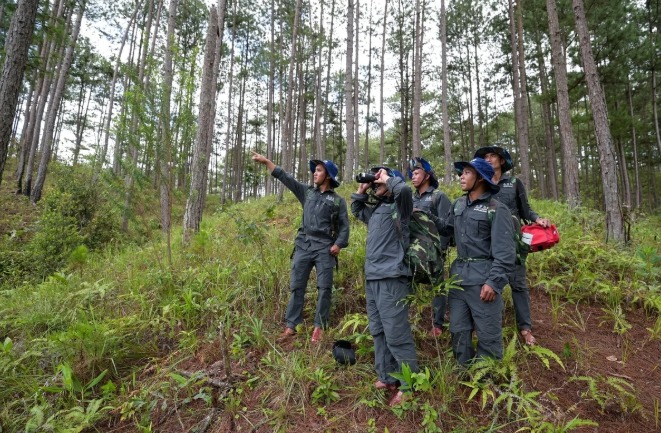
Participants highlighted Indonesia’s strong natural capital, including approximately 120 million hectares of tropical forests, the world’s largest peat ecosystems, and around 20 percent of global mangroves. Combined with renewable energy potential estimated at 3,000 GW, the country is seen as a major candidate for supplying high-integrity carbon credits.
In the short term, Indonesia’s carbon credit potential is projected to reach 76.5 million tons of CO₂ equivalent in 2025. Data from Verra indicates that 71 million tons have already been certified, while Gold Standard has issued an additional 5.5 million tons. Long-term projections suggest the potential could reach up to 14 billion tons of CO₂ equivalent by 2050, with an estimated economic value of up to USD 70 billion at conservative pricing.
Despite this potential, the forum emphasized that carbon markets must prioritize integrity, including robust Monitoring, Reporting, and Verification (MRV) systems, transparent data governance, and equitable benefit-sharing with local communities to maintain global trust.
On the policy front, Indonesia plans to relaunch its carbon market on July 1, 2026, supported by Presidential Regulation No. 110/2025 and the development of the National Carbon Registry System (SRUK). These measures aim to strengthen governance and align domestic mechanisms with global standards.
Since the launch of carbon trading at the Indonesia Stock Exchange in September 2023, transactions have reached approximately IDR 94 billion, covering around 1.9 million tons of CO₂ equivalent, primarily from the energy sector.
The forestry sector is expected to dominate future growth, accounting for an estimated 60 percent of Indonesia’s carbon market potential. Currently, seven national forestry companies are ready to enter the carbon trading platform, with an additional 45 companies preparing to participate.
The forum concluded that, if managed effectively, Indonesia’s carbon market could serve not only as a major economic opportunity but also as a pathway toward inclusive and sustainable green development. (*)