

Enviro News Asia, Jakarta — The Ministry of Forestry of the Republic of Indonesia issued an official clarification regarding the death of Musofa, the first Javan Rhino successfully translocated under the Merah Putih Javan Rhino Translocation Operation in Ujung Kulon National Park. The ministry delivered the explanation to ensure that the public receives accurate, transparent, and science-based information.
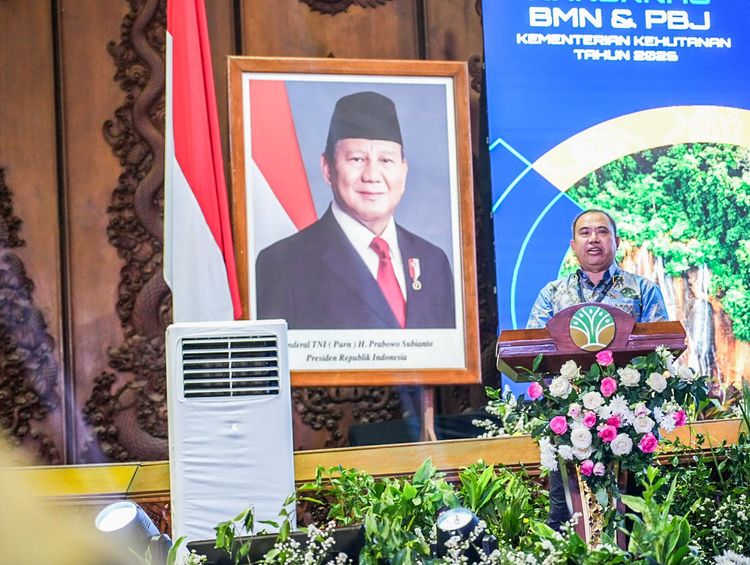
Deputy Minister of Forestry Rohmat Marzuki addressed the media and affirmed that the translocation process adhered to international scientific standards and wildlife conservation ethics. He conveyed condolences and reiterated the significance of Musofa to Indonesia’s national conservation effort.
He stated that Musofa was the first Javan Rhino ever translocated as part of a long-term strategy to strengthen the species’ survival prospects. The Javan Rhino, classified as Critically Endangered by the IUCN, is confined to a single remaining population in Ujung Kulon National Park. Recent scientific assessments indicate that the population faces extinction in less than 50 years due to extremely low genetic diversity, inbreeding, and limited habitat availability. The deputy minister emphasized that translocation aims to support scientific advancement, preserve genetic material, enhance reproductive opportunities, and expand habitat distribution.
The ministry highlighted that all phases of Operation Merah Putih were conducted under strict protocols with contributions from Indonesian and international experts, the Indonesian Armed Forces, and wildlife veterinarians. The operation followed Standard Operating Procedures, Ethical Assessment reviews, tactical simulations, and extensive logistical and security preparations. According to the ministry, Musofa was safely moved without injury.
Independent medical teams delivered the findings on Musofa’s cause of death. Based on reports from Ujung Kulon National Park, veterinary teams, and the pathology unit of the School of Veterinary Medicine and Biomedical Science at IPB University, Musofa died from chronic pre-existing diseases unrelated to the translocation procedure. Necropsy results identified severe chronic damage to the liver, lungs, and brain, along with significant parasitic infection in the digestive tract.
The deputy minister added that all interventions followed international wildlife health standards, and every step was reviewed and verified by independent experts. He noted that the incident provides important scientific lessons for future conservation efforts, including improvements in early disease detection, population health monitoring, and safety protocols for wildlife translocation.
The ministry urged the public to continue supporting the protection of endangered species. It stressed that the Javan Rhino symbolizes Indonesia’s biodiversity and that conservation actions are carried out with full transparency and accountability.
The chronology of Musofa’s translocation began on 3 November 2025, when the rhino was secured in a pit trap and stabilized by veterinary teams. Weather complications—including heavy rain, high waves, and storms—delayed transport for two days. On 5 November, Musofa was transferred to the Javan Rhino Study and Conservation Area (JRSCA) using a TNI Navy Marine amphibious vessel with full caution. The rhino arrived safely and showed normal feeding and excretion behavior. Veterinary teams conducted examinations and treatments as needed.
On 7 November, Musofa became weak, and emergency medical actions were immediately taken. Despite the efforts, the rhino was pronounced deceased at 16:16 local time. A necropsy on 8 November confirmed multiple chronic internal conditions as the cause of death.
Senior officials attended the press conference, including TNI operational commanders, Ujung Kulon National Park authorities, the Indonesian Rhino Foundation, veterinary specialists, and academic experts. (*)