The logistics sector functions as the backbone of economic growth, enabling the movement of goods, sustaining supply chains, and connecting industries across regions. However, behind this essential activity lies a significant environmental challenge: carbon emissions and greenhouse gases generated from transportation, distribution, and industrial operations.
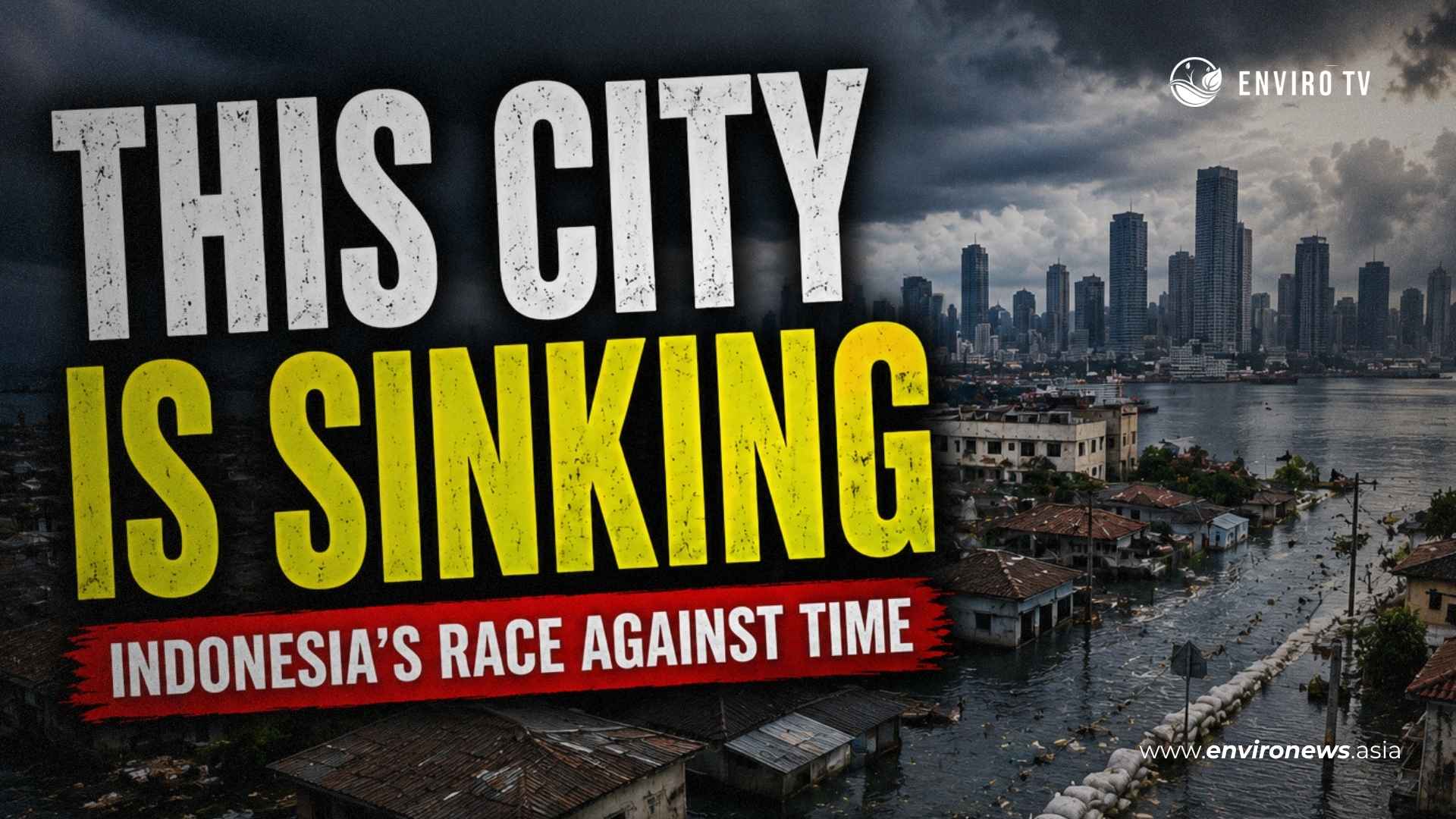
This episode of Enviro TV takes viewers inside the Green Logistics Talk, a strategic forum bringing together industry leaders, policymakers, forestry stakeholders, and climate experts to discuss practical solutions for reducing carbon footprints in Indonesia’s logistics sector. As Indonesia advances its commitment to FOLU Net Sink 2030, transforming supply chains into low-carbon systems becomes increasingly critical.
FOLU Net Sink 2030 aims to ensure that emissions from the forestry and land-use sector are outweighed by carbon absorption. While forestry remains central, the logistics sector plays a crucial supporting role. Efficient transport systems, sustainable fuel adoption, green investment, and cross-sector collaboration are key components in aligning economic activity with national climate targets and Indonesia’s Nationally Determined Contribution commitments.
Through expert insights from government representatives, industry leaders, and environmental authorities, this discussion highlights how sustainable logistics practices can reduce emissions, protect ecosystems, and strengthen long-term economic resilience.
Green transformation is no longer optional. It is a strategic necessity for achieving climate stability while maintaining economic growth.
Watch the full discussion to understand how green logistics can accelerate Indonesia’s FOLU Net Sink 2030 target and reshape the future of sustainable supply chains. Subscribe to Enviro TV and stay informed on environmental solutions shaping Asia and the world.