Enviro News Asia, Somalia — Climate change is increasingly shaping daily life in Somalia, affecting livelihoods, public services, and economic development. Recurrent droughts and severe floods have disrupted communities across the country, with the floods in 2023 alone displacing more than one million people and causing significant economic losses.
To address these challenges, the Somali government, in collaboration with the World Bank Group, has launched the Country Climate and Development Report (CCDR). The report aims to guide national policies that tackle climate risks while promoting job creation and building resilient livelihoods.
The government’s National Transformation Plan for 2025–2029 emphasizes that climate resilience and economic growth must be pursued together. Through coordinated efforts led by the Ministry of Environment and Climate Change of Somalia, climate considerations are increasingly integrated into economic planning, infrastructure investment, and employment strategies across federal institutions and regional administrations.
According to the report, investing in climate adaptation can generate employment opportunities while protecting communities from environmental shocks. Projects focused on flood-resilient infrastructure, watershed management, renewable energy, and climate information systems not only reduce vulnerability but also support local job creation.
Several initiatives already demonstrate these benefits. The Somalia Urban Resilience Project II (SURP II) and the national safety-net program Baxnaano provide support to vulnerable households, helping them cope with climate shocks while strengthening long-term economic opportunities.
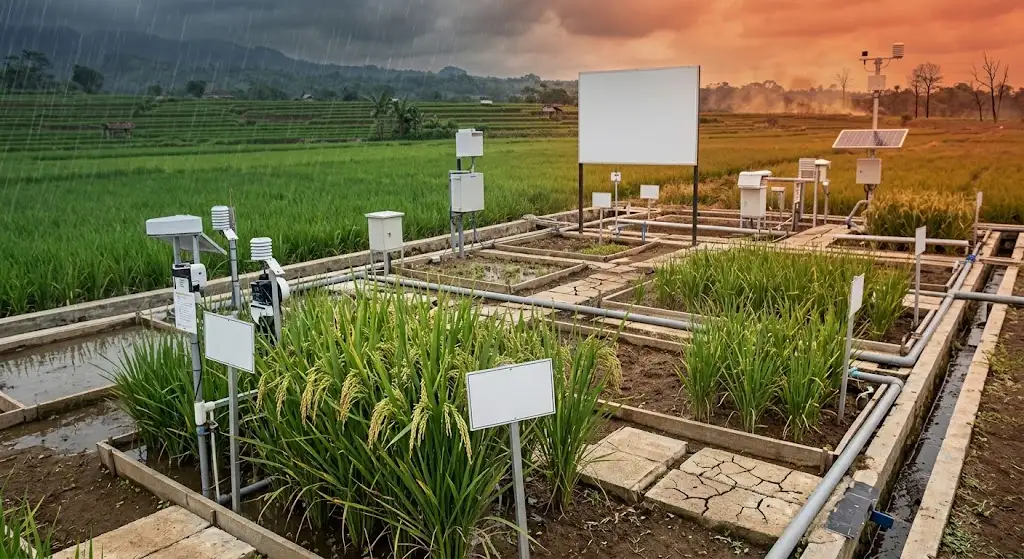
Agriculture and pastoralism remain the backbone of Somalia’s economy and the largest source of employment. However, these sectors are highly vulnerable to climate variability. To address this, the government and development partners are promoting climate-smart agriculture, expanding small-scale irrigation, improving livestock health systems, and introducing drought-tolerant crops. Improved water management, better storage, and stronger market connections can increase productivity and stabilize incomes in rural communities.
Energy access is another key pillar of climate-resilient development. Reliable electricity supports irrigation systems, food preservation, digital services, and early-warning systems. Somalia’s strong potential for solar and wind energy is attracting growing investment in renewable energy projects, including off-grid systems that expand electricity access in underserved areas. These initiatives not only reduce environmental pressure but also create jobs in installation, maintenance, and energy services.
In recent years, Somalia has also made progress in macroeconomic stabilization and institutional reform. By strengthening public financial management and policy frameworks, the government aims to ensure greater national ownership of climate investments and reduce long-term reliance on humanitarian aid.
Ultimately, the CCDR highlights that coordinated action between government institutions, the private sector, and development partners can help Somalia reduce climate-related risks while advancing sustainable economic growth. Investing in climate resilience today, the report concludes, can generate employment, strengthen livelihoods, and create a more inclusive and prosperous future for the country. (*)