Enviro News Asia, Surabaya — Institut Teknologi Sepuluh Nopember (ITS), in collaboration with the Badan Riset dan Inovasi Daerah Kota Surabaya (BRIDA), has initiated the development of a mangrove-based living laboratory at the Surabaya Mangrove Botanical Garden as part of efforts to strengthen environmental conservation and applied research.
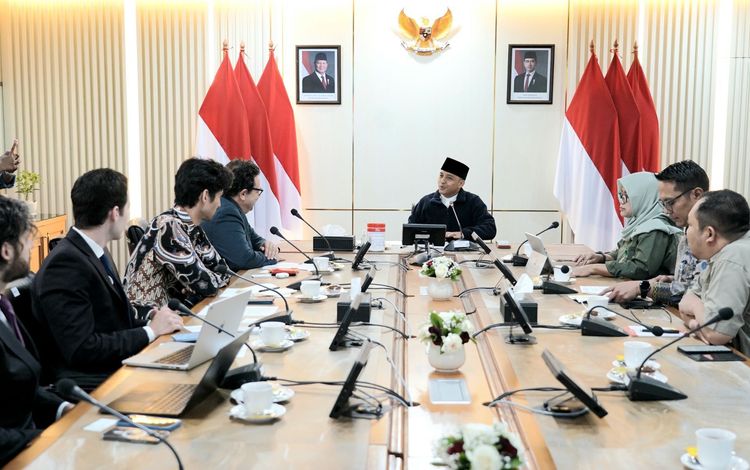
The initiative follows a strategic site visit conducted by ITS leadership and BRIDA representatives at the 34-hectare conservation area located in eastern Surabaya. The site, known as the Kebun Raya Mangrove Surabaya, is Indonesia’s first coastal conservation area integrating education, research, and ecotourism functions within a single ecosystem.
ITS Rector Bambang Pramujati stated that the initiative is a continuation of a Memorandum of Understanding between ITS and the Surabaya City Government. He emphasized that the mangrove area offers significant potential to serve as a multidisciplinary living laboratory, supporting research ranging from biology to maritime technology.
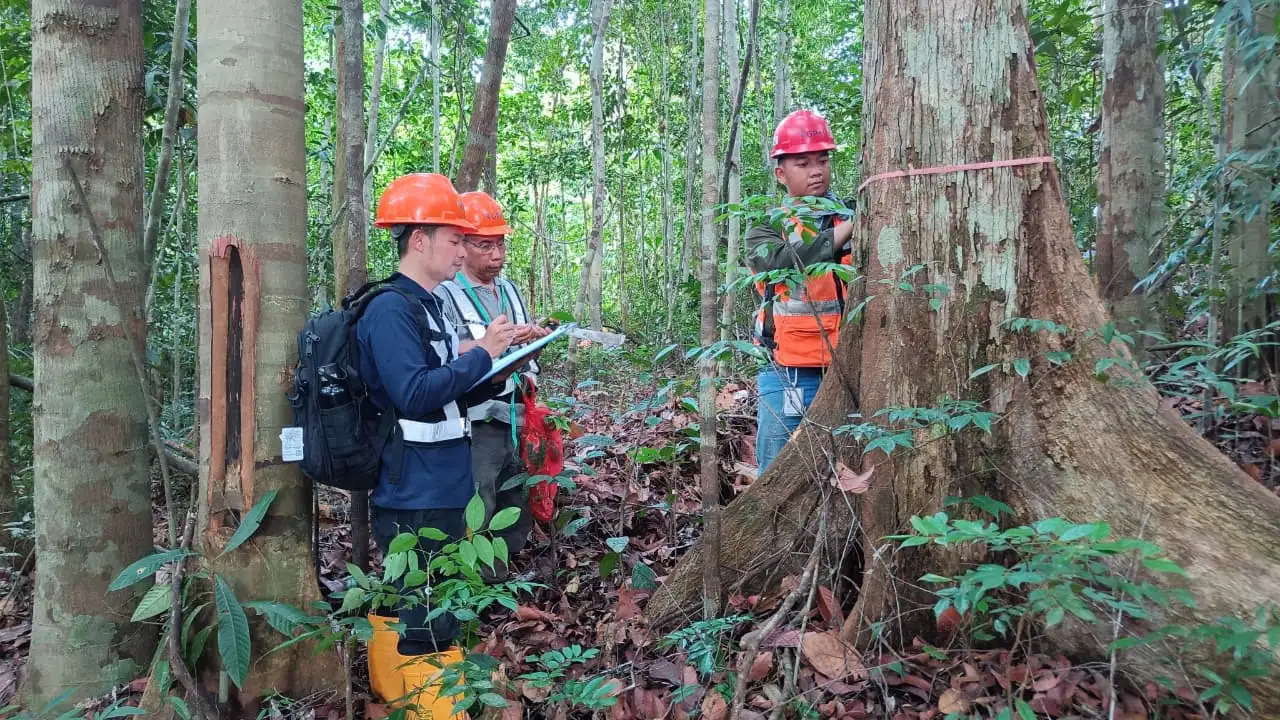
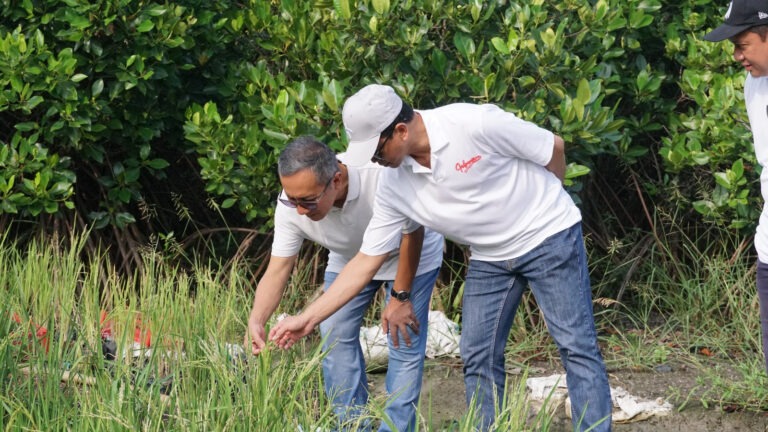
According to Bambang, ITS researchers have already begun utilizing several plots within the area to test Internet of Things (IoT)-based sensors and explore adaptive rice seed varieties suitable for mangrove ecosystems. He also highlighted strong student involvement from departments such as Biology, Urban and Regional Planning, and Architecture.
Beyond ecological research, ITS is proposing technological innovations, including the modernization of river transportation within the mangrove area. The university aims to replace diesel-powered boats with solar-powered and electric vessels to reduce noise and air pollution, thereby preserving bird habitats.
Head of BRIDA Surabaya Agus Imam Sonhaji welcomed the collaboration, expressing optimism that ITS’s expertise in technology, renewable energy, and coastal community empowerment—particularly through silvofishery practices—can be effectively implemented.
The partnership is expected to transform the mangrove area into a leading educational and research hub while simultaneously supporting local economic development. It also reflects a broader commitment to sustainable development, particularly in advancing clean energy, marine ecosystem protection, and multi-stakeholder partnerships. (*)