Enviro News Asia, Jakarta – The government has once again increased the budget for the Kartu Indonesia Pintar (KIP) Kuliah program in 2026. Amid mounting pressure on higher education financing, the program’s allocation has reached Rp 15.3 trillion. The Ministry of Higher Education, Science, and Technology said the increase reflects its commitment to ensuring that students from low-income families continue to have access to higher education.
This is not the first time the budget has been raised. Over the past six years, funding for KIP Kuliah has steadily climbed. Data from the Center for Higher Education Financing and Assessment (PPAPT) show that since 2020, the number of beneficiaries has increased annually, both among newly admitted students and those currently pursuing their studies. The upward trend reflects both expanded coverage and the growing demand for higher education financing among underprivileged families.
In 2020, the KIP Kuliah budget stood at Rp 6.5 trillion. The figure surged to Rp 14.9 trillion in 2025, targeting 1,044,921 students based on the Budget Implementation List (DIPA). A year later, the government raised the allocation again to Rp 15,323,650,458,000 for 1,047,221 students. Within five years, the program’s funding has more than doubled.
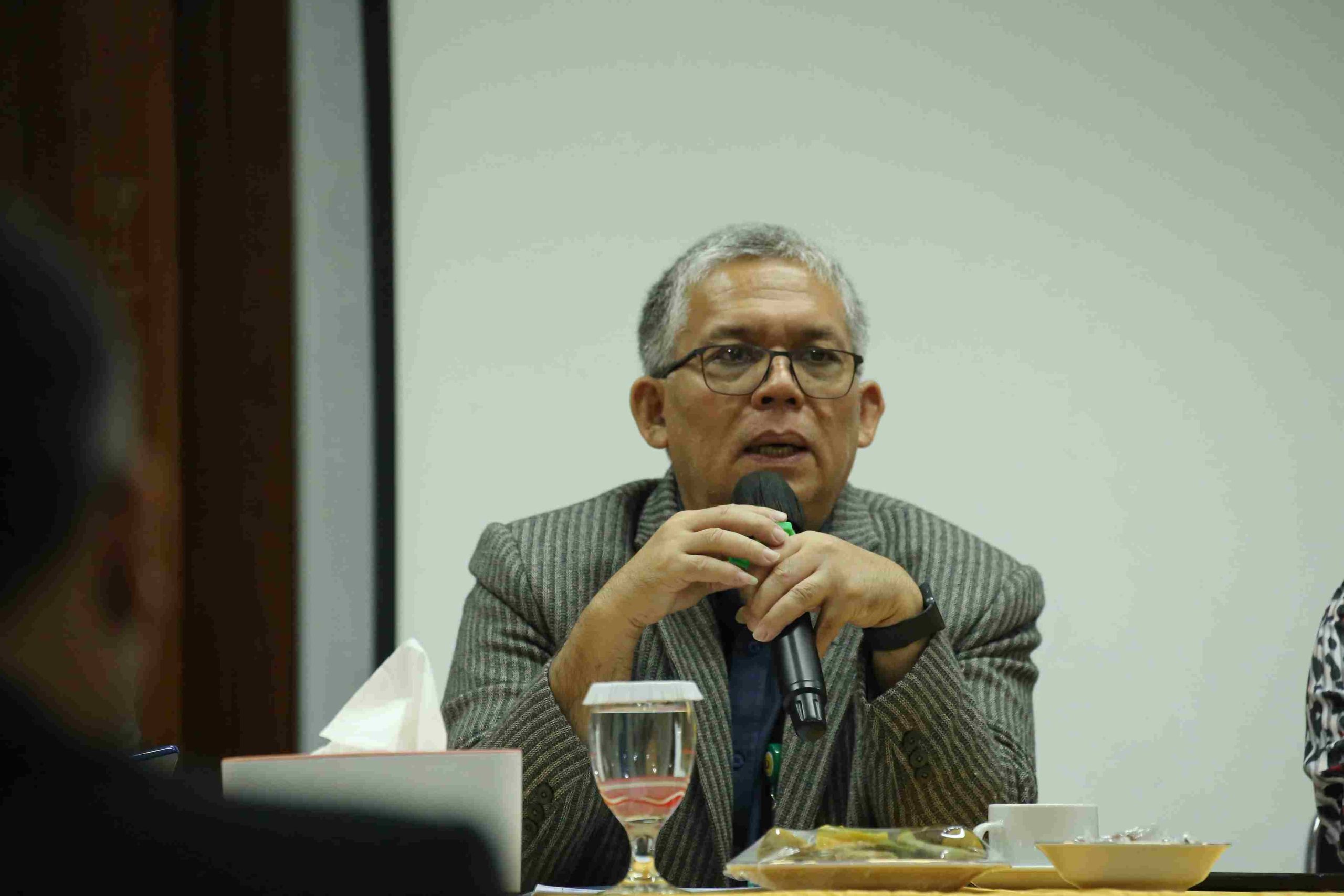
Minister of Higher Education, Science, and Technology Brian Yuliarto said the ministry continues to safeguard the KIP Kuliah budget to prevent cuts and to improve its implementation. He described the program as a strategic instrument to ensure equitable access to higher education, particularly for high-achieving students facing economic hardship.
According to Brian, KIP Kuliah serves as a “bridge of hope” for academically capable students whose financial constraints might otherwise prevent them from attending university. The government, he said, wants to ensure that students from disadvantaged backgrounds have equal opportunities to enroll in, persist through, and graduate from higher education institutions.
He also emphasized that the living allowance provided under the KIP Kuliah scheme is the full right of the recipients. Universities and any other parties are prohibited from imposing any form of charges on beneficiaries. Through strengthened budgeting and oversight, the government hopes the program will not only preserve access but also promote more equitable higher education participation across Indonesia. (www.upnvj.ac.id)