

Enviro News Asia, Belém — At the opening thematic session of the Belém Climate Summit (COP30), held on Thursday, November 6, 2025, under the theme “Climate and Nature: Forests and Oceans,” Brazilian President Luiz Inácio Lula da Silva declared that this is the COP of truth — a defining moment to forge a pact for the life of forests, oceans, and humanity.
“It is time to turn ambition into action and to restore the balance between growth and sustainability,” President Lula stated.
The session was attended by United Nations Secretary-General António Guterres, Special Envoy for Oceania Jacinda Ardern, and representatives from more than 50 countries and three international organizations, underscoring global commitment to address the intertwined crises of climate change, biodiversity loss, and environmental degradation.
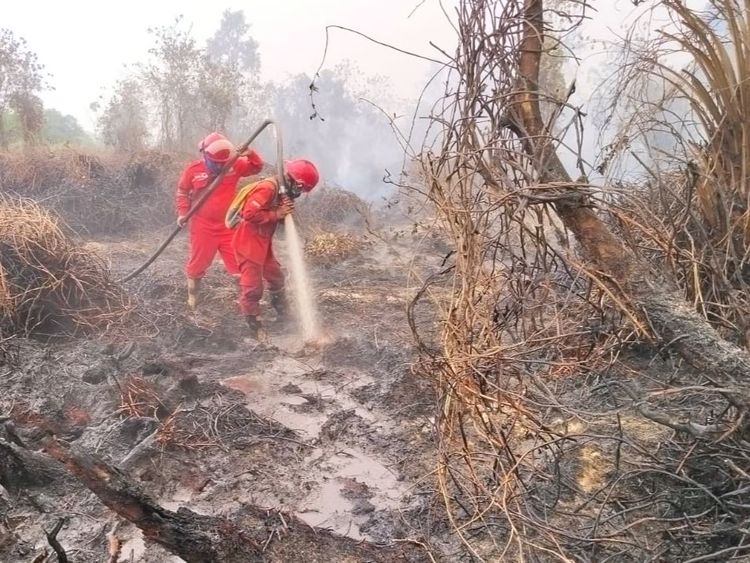
During the session, President Lula announced the Declaration of Call to Action on Integrated Fire Management and Wildfire Resilience, endorsed by 50 countries and three international organizations. The declaration emphasizes the urgent need for coordinated global responses to increasingly frequent and destructive wildfires — one of the most visible manifestations of climate change.
Commitment to Forests
President Lula reaffirmed Brazil’s commitment to halting deforestation, noting that Amazon deforestation has fallen by over 50%, reaching its lowest rate in 11 years. He also announced Brazil’s target to restore 40 million hectares of degraded land over the next decade.
“The forest is not just made of flora and fauna — around 50 million people live in the Amazon region. Their future depends on our ability to protect this biome,” Lula said.
UN Secretary-General António Guterres welcomed the launch of the Tropical Forests Forever Fund (TFFF), inaugurated on the first day of COP30, calling it a “major initiative for the world’s tropical forests.” He emphasized that forests across all regions — tropical, temperate, and boreal — play a crucial role in regulating rainfall, storing carbon, and preventing extreme weather.
Nine countries — Brazil, Colombia, Costa Rica, Ecuador, Fiji, Indonesia, and the Democratic Republic of the Congo — also signed an Intergovernmental Commitment on Land Tenure to protect 160 million hectares of Indigenous and traditional lands. The initiative, supported by Norway, the United Kingdom, and the Netherlands, will mobilize up to USD 1.87 billion and includes the backing of over 30 philanthropic organizations.
Protecting the Oceans
On the issue of oceans, President Lula warned that rising ocean temperatures could disrupt rainfall patterns in the Amazon, leading to “savannization” with devastating consequences for the global climate and agriculture. He underscored the importance of the High Seas Treaty, which will protect marine biodiversity in areas beyond national jurisdiction starting in 2026. Brazil, he confirmed, will ratify the treaty by the end of this year.
Special Envoy Jacinda Ardern called for greater integration of ocean protection within global climate policy, stating,
“It is time to integrate 71% of the Earth’s surface — the planet’s great environmental stabilizer — into the COP agenda and to properly finance its restoration and protection.”
A Call for Global Action
Lula concluded by highlighting that no nation can tackle the climate crisis alone. The newly adopted declarations on integrated fire management and Indigenous land rights, he said, reflect a renewed global commitment to forest preservation and community resilience.
“The fires that consume our forests do not respect borders. No country can face the climate crisis alone,” he said firmly. (*)