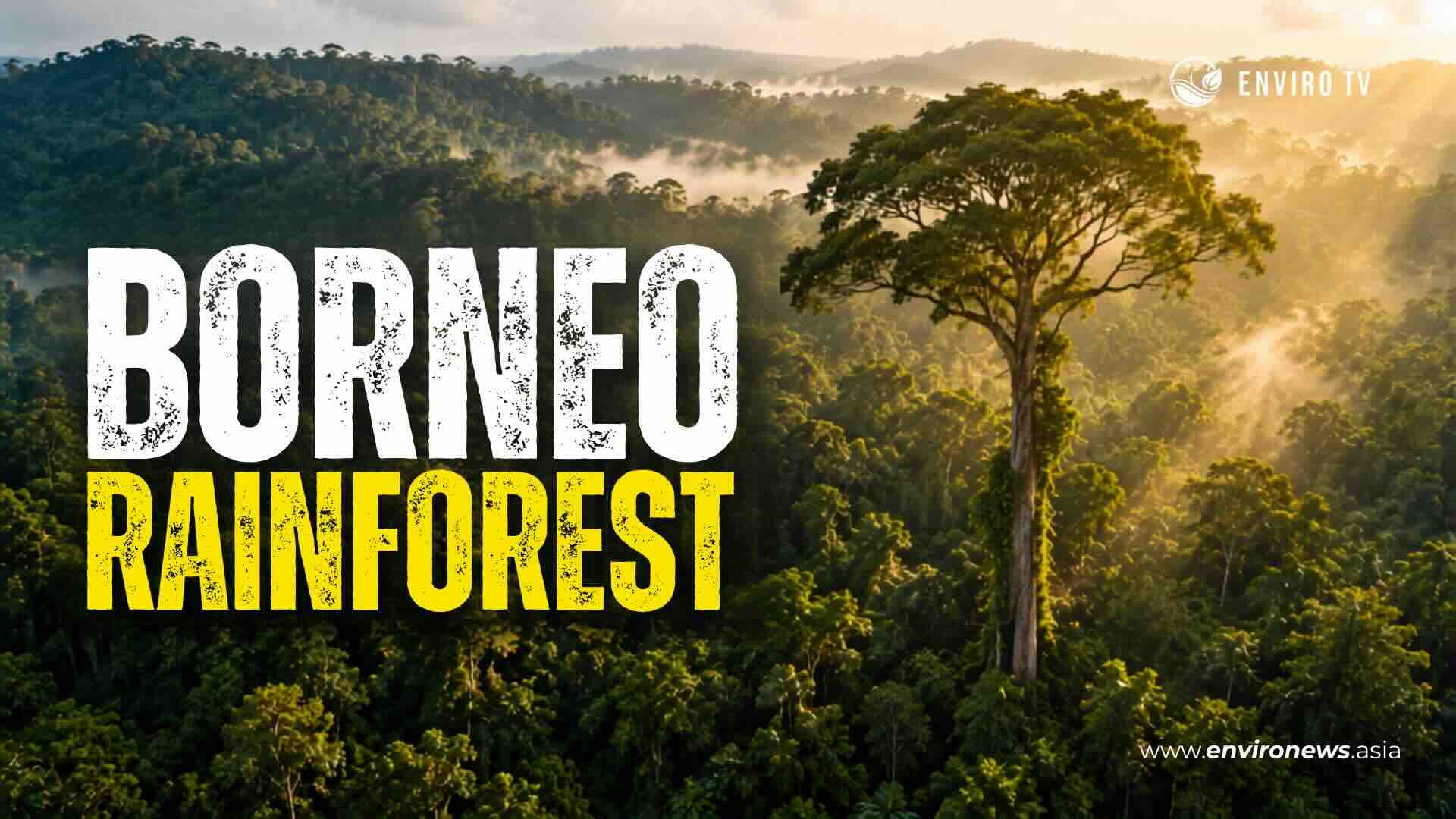
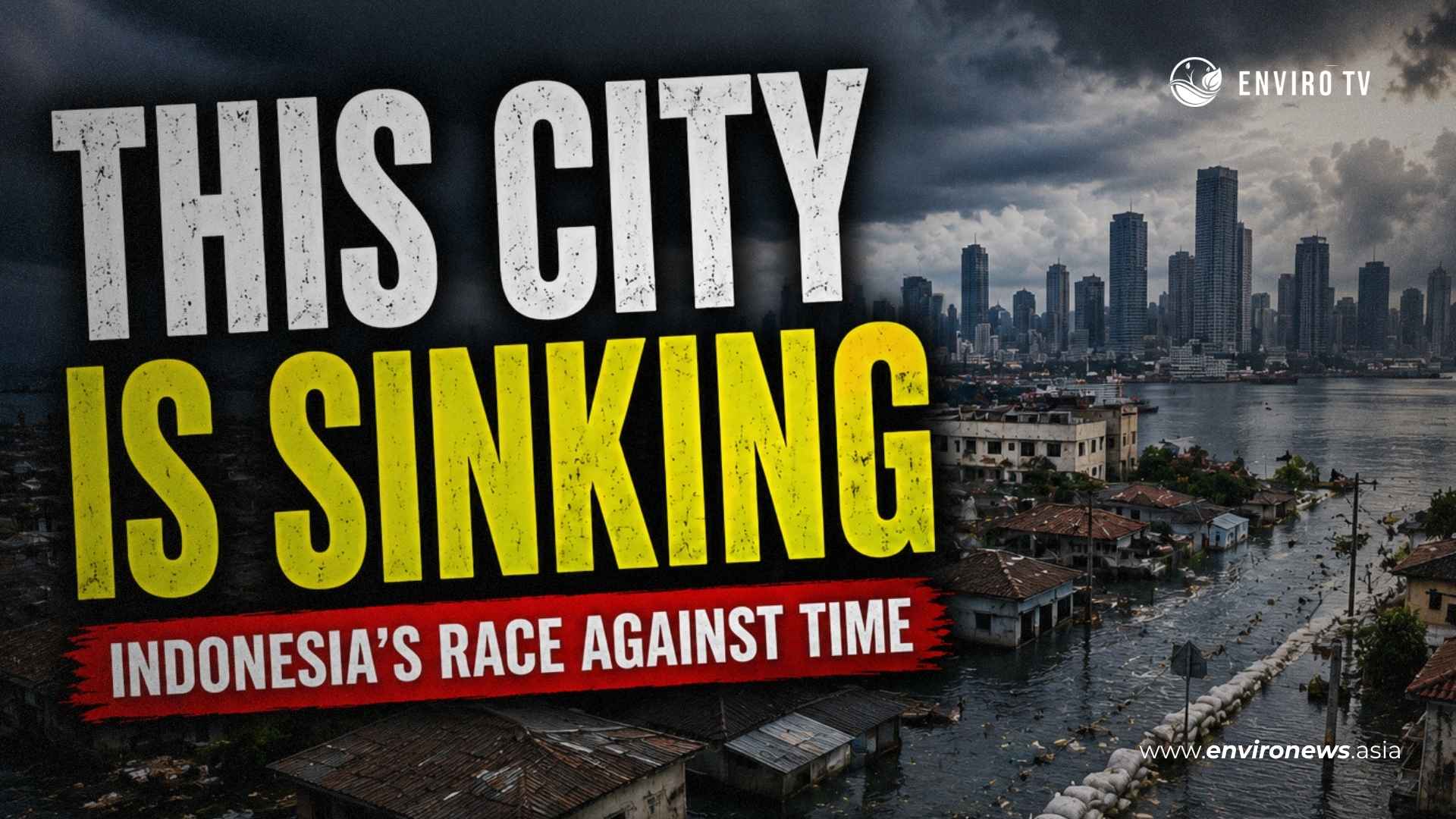
Indonesia, the world’s largest archipelagic nation, is home to more than seventeen thousand islands and one of the longest coastlines on Earth. Yet behind its natural beauty, coastal regions face growing threats from erosion, rising sea levels, and accelerating climate change. Amid these challenges, mangroves stand as a silent but powerful natural defense protecting both ecosystems and coastal communities.
This episode explores the critical role of mangrove ecosystems as natural barriers against coastal degradation and as one of the most effective carbon sinks on the planet. Mangroves are not merely trees; they are living systems that shelter thousands of species, absorb wave energy, prevent erosion, and store carbon at levels far exceeding many terrestrial forests. Their ability to lock carbon within roots and soil for centuries makes them a vital ally in the fight against the global climate crisis.
The discussion further examines Indonesia’s commitment to FOLU Net Sink 2030, a national climate strategy aiming to ensure that the forestry and land-use sector absorbs more carbon emissions than it releases. Covering forests, peatlands, agriculture, and coastal ecosystems including mangroves, FOLU Net Sink 2030 positions nature not as a victim of climate change, but as a central part of the solution. Through conservation, restoration, and community involvement, mangroves become a strategic pillar in safeguarding coastal resilience and securing a sustainable future.
Watch this full report on Enviro TV to understand how forest protection, climate policy, and community action come together to prevent wildfires in Indonesia. Subscribe and keep watching Enviro TV for in-depth environmental stories shaping the future of our planet.